

Cool roof coating cost is one of the first questions homeowners ask when searching for ways to slash summer A/C bills and extend roof life in hot regions. Numbers matter—so here’s a fast, no-spin breakdown of what you’ll pay, what you’ll save, and the real-world pros and cons of doing it yourself versus hiring a pro.
Key Takeaways
- DIY cool roof coating costs average about $0.30–$1.50 per square foot (material only); professional installation lands between $1.00–$3.00 per square foot all-in.
- Annual cooling energy savings average $0.50–$0.75 per square foot—or $150–$300 per year for a 2,000 sq. ft. home in a hot climate.
- Proper prep and product match are crucial; missed steps or wrong coating type can erase expected savings and shorten coating lifespan.
- Quick snapshot — What you’ll pay and what you’ll save
- Cost breakdown by product type and who does the work (DIY vs pro)
- How much you’ll actually save on cooling (and how those savings are measured)
- ROI timelines — sample payback calculations by product and climate
- Reflective roof coating benefits beyond energy savings
- Most common homeowner complaints and how to avoid them
- Recommended product types and example brands/uses by U.S. climate
- Choosing the right spec — what to check on data sheets (SR, SRI, warranties, film thickness)
- Typical project checklist, timeline, and cost add-ons to budget for
- Three important angles competitors often miss
- Conclusion
- FAQ
Quick snapshot — What you’ll pay and what you’ll save
Most homeowners will spend about $0.30–$1.50 per square foot for DIY cool roof coating materials. Silicone averages $0.90/ft². Acrylic averages $0.45/ft². Polyurea/urethane systems are about $0.90/ft² (material only). When hiring a pro, costs average $1.00–$3.00 per square foot installed—typically $2.00/ft² for silicone, $1.20/ft² for acrylic, and $3.50/ft² for polyurea. These prices include prep and labor.
Reflective coatings cut cooling bills 15–22 percent. On a 2,000 ft² home, that’s about $150–$300 saved per year—roughly $0.50–$0.75/ft²/year.
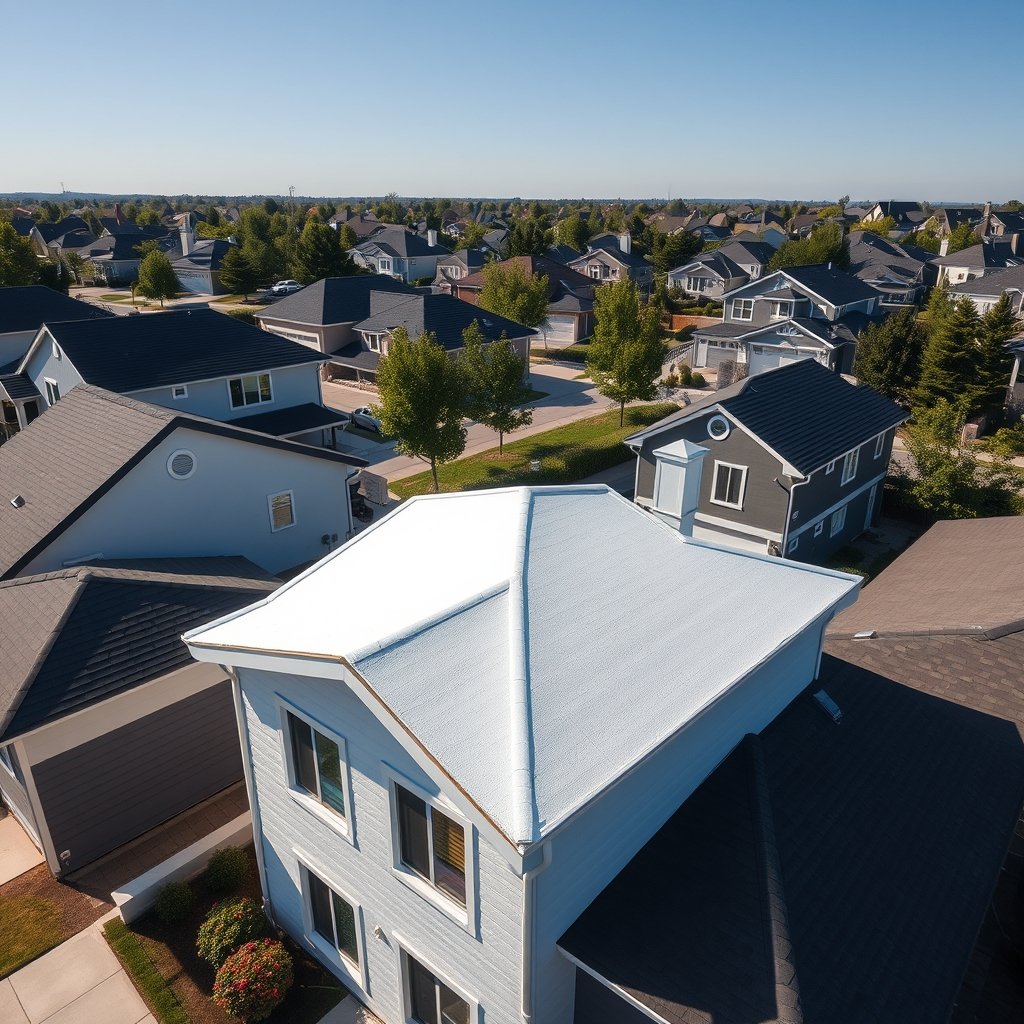
For much more on the basics of cost and payback, the EPA’s resource here breaks down typical install costs and why solar reflectance matters.
Cost breakdown by product type and who does the work (DIY vs pro)
The material you choose drives the total cool roof coating cost as much as area and labor. Here’s a breakdown by common coating types, showing realistic 2024 prices for both DIY and professional installation:
| Product Type | DIY Material Cost (/ft²) | Typical Installed Cost (/ft²) | Notes |
|---|---|---|---|
| Silicone | $0.90 | $2.00 | Best for ponding/flat roofs and UV; slippery if wet |
| Acrylic | $0.45 | $1.20 | Low odor, works well on metal/steep; not for standing water |
| Polyurea/Urethane | $0.90 | $3.50 | Fast-set, durable; mostly commercial/high-wear |
Labor and prep can double the price. Professional quotes commonly include surface repairs, primer (if needed), and at least two coats. DIYers often underestimate cleaning, repairs, or time to mask/edge for neat results.
Many coatings, such as those from Ames, Uniflex, or HydroStop, fall inside these cost bands. Always check the recommended application thickness and number of coats. See also our garage floor epoxy cost guide for more on prepping surfaces to maximize coating longevity.
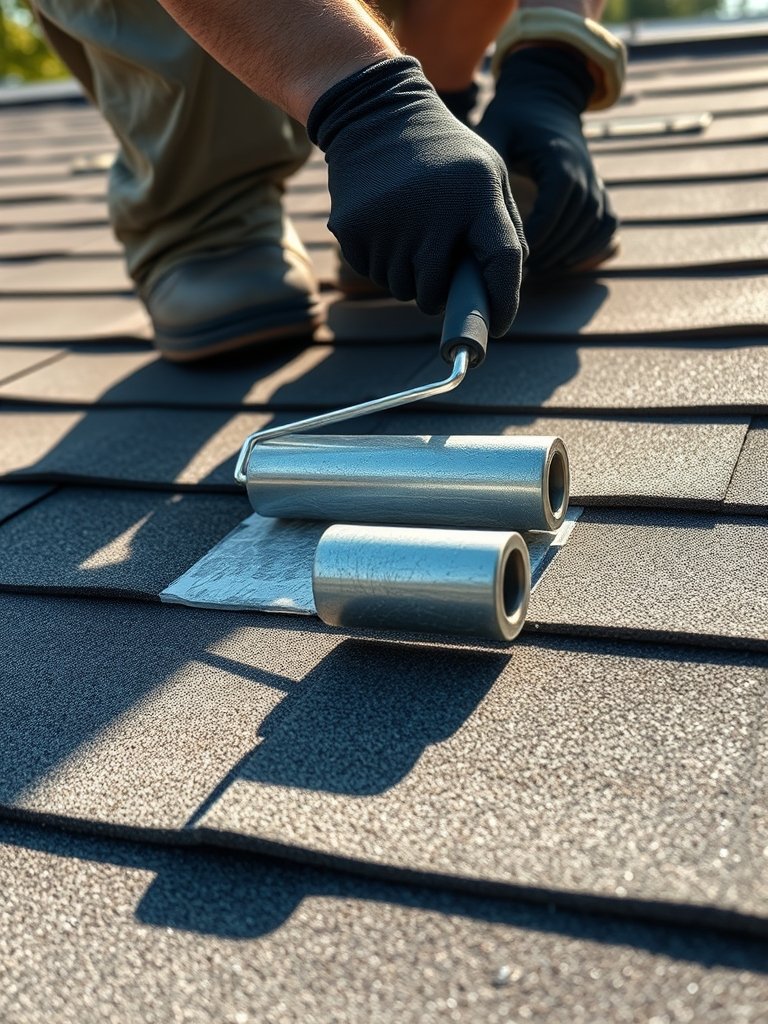
How much you’ll actually save on cooling (and how those savings are measured)
Multiple field studies show reflective roof coating benefits in the form of air conditioning reductions of 15–22% in hot and warm climates. What does this mean for homeowners?
- Every 1 ft² of coated roof saves roughly $0.50–$0.75 per year in cooling energy.
- On a 2,000 ft² home: $150–$300/year, or about 10–30% of typical cooling bills.
Savings depend on insulation quality, roof color, roof age, local climate, and your HVAC’s efficiency. Results climb in hot, sun-baked regions and with dark or poorly insulated roofs.
For an in-depth review of these figures, see this summary from the Florida Solar Energy Center’s landmark research.
Important note: good insulation plus a reflective coating doubles down on energy savings, but don’t expect miracles if your attic leaks air or the coating is poorly applied.
Check out our actionable advice on stacking energy upgrades in our heat pump water heater rebate guide.
ROI timelines — sample payback calculations by product and climate
How fast does a cool roof coating pay you back? Here’s simple math with real pricing from 2024:
- If you pay $2.00/ft² (professional silicone) and save $0.50/ft²/year: payback in about 4 years.
- If you pay $1.20/ft² (professional acrylic) and save $0.75/ft²/year: payback in about 1.6 years.
- High-end polyurea at $3.50/ft², $0.50/ft²/year savings: payback in about 7 years.
DIYers can cut the payback timeline sharply, but must deliver on surface prep and application quality. Mild climates and roofs already light-colored or well-insulated will see slower payback.
Don’t forget: most coatings need re-application every 5–10 years, so long-term ROI depends on ongoing maintenance cycles.
If you’re comparing this ROI to other energy upgrades, such as whole home battery backup, our solar battery backup guide offers more detailed cost-benefit analysis.
Reflective roof coating benefits beyond energy savings
Reflective roof coating benefits go beyond cutting your A/C bills. Key non-energy advantages include:
- Lowers roof surface temperatures by more than 50°F on hot days—reducing thermal stress on materials.
- Adds waterproofing and helps seal minor cracks or leaks (especially with silicone products).
- Can extend the service life of roofs by 5–10 years, delaying expensive replacements.
- Lessens risk of mold and mildew by keeping roof structures drier and cooler.
- Improves indoor comfort (less heat radiating down from the attic).
These effects are especially valuable for older, dark, or sun-exposed roofs. The Quality Roofing Systems explainer dives deeper into these secondary benefits. For more on boosting home comfort and energy savings, check our home office soundproofing tips as well.
Most common homeowner complaints and how to avoid them
Even the best cool roof coatings have failure modes. Top homeowner complaints (and solutions):
- Poor adhesion: Most common when roofs aren’t fully cleaned or underlying repairs go ignored. Always Pressure wash cleaning and patch before coating.
- Acrylics degrade or blister on roofs with ponding water: Only use silicone (not acrylic) for flat/low-slope or poorly drained roofs.
- Fading, chalking, or loss of reflectivity: Sun, dirt, and standing debris can dull coatings. Periodic cleaning restores performance.
- Odor/VOC complaints: Some solvent-based or high-solids coatings give off fumes. Choose water-based or low-VOC formulas if sensitive.
- Warranty/reapplication shock: Many coatings need recoating every 5–10 years for full protection. Get clear on what your warranty covers and requires.
Trouble often appears with shortcuts in prep, misuse of budget coatings, or placing acrylics on flat roofs. It’s worth considering that, much like with crawl space encapsulation, correct material match and disciplined installation are just as vital as brand or price.
Recommended product types and example brands/uses by U.S. climate
Choose coatings by region and roof condition. Use this as a starting point:
- Silicone: Best for hot/sunny regions with flat or low-slope roofs and frequent ponding. Example brands: Ames, Uniflex. High UV resistance, cost $0.90–$2.00/ft² material. Longevity and waterproofing are strong points.
- Acrylic: Preferred in drier climates and on metal or pitched roofs. Quick drying, low odor. Example brands: HydroStop, Uniflex. Costs $0.30–$1.50/ft². Not suitable for standing water or continuous shade (may degrade).
- Polyurea/urethane: Very tough and quick-curing—mostly for high-wear/commercial cases but available to homeowners (≈ $0.90–$3.50/ft²).
Always check for certifications: solar reflectance index (SRI), ponding water resistance, and manufacturer warranty (common recoat intervals 5–10 years). For context on matching product warranties to your investment, this guide offers more detailed cost/snippet breakdowns.
Choosing the right spec — what to check on data sheets (SR, SRI, warranties, film thickness)
Not all cool roof coatings are created equal. Smart shoppers always check these specs:
- Solar reflectance (SR)/Solar Reflectance Index (SRI): Higher is always better. Look for initial and aged ratings (to know how well the roof stays reflective over time).
- Warranties: Many products carry 5–10 year limited warranties. Read the fine print for recoat/maintenance requirements to keep coverage active.
- Dry film thickness (DFT): Too thin and protection fades fast. Check that recommended thickness matches the label—DIY kits can go thin if you stretch product to save money (false economy).
- Ponding water resistance: Only silicones are rated for year-round standing water. Acrylics will almost always fail in these conditions.
Proper spec review is just as important as DIY prep. If you’re new to reading technical sheets, our spray foam insulation cost guide features a crash course on deciphering product claims versus actual performance in the field.
Typical project checklist, timeline, and cost add-ons to budget for
Whether you go DIY or pro, budget extra for these overlooked steps and hidden costs:
- Inspection and repairs: Patch all membrane splits, flashing, and seams before coating.
- Pressure wash cleaning: Remove all dirt, algae, chalking, and loose material for best adhesion.
- Primer/application add-ons: Some surfaces need primer; all need careful masking and two (sometimes three) coats, especially around seams or penetrations.
- Curing time: Full dry and cure can take 24–48 hours, sometimes longer in humid conditions.
- Roof access and safety: Don’t forget renter scaffolding or Roof access and safety—the latter can bump up DIY costs unexpectedly.
- Permit requirements: Some cities/counties require notification or inspection, depending on scope.
Professional bids ($1.00–$3.00/ft²) typically include all necessary prep/repair, helping avoid costly failures linked to skipped steps. For similar budgeting advice on other big-ticket upgrades, explore our ADU garage conversion cost guide.
Three important angles competitors often miss
- Per–square–foot savings matter: Homeowners pocket about $0.50–$0.75/ft²/year in cooling savings—this enables fast, apples-to-apples ROI math regionally.
- Prep and drainage are everything: The most common failure isn’t “bad product”—it’s bad prep or the wrong coating for wet/low-slope roofs, especially acrylics misapplied to roofs with ponding water.
- Lifecycle costs count: Coatings are not set-and-forget. Factor in 5–10 year recoat cycles for a true long-term cool roof coating cost projection (this is often ignored in less thorough guides).
Conclusion
Cool roof coatings can absolutely deliver real, measurable value. The up-front cool roof coating cost ranges from less than $1/ft² for DIY to $3/ft² for full-service pro jobs. Smart homeowners will weigh both cost per square foot and true annual savings, making sure to choose the right material for their roof and prep carefully. If you want lower bills and longer roof life, this is a proven—if not totally “set-and-forget”—upgrade in hotter U.S. regions.
Ready to run your project? Gather your roof size, climate data, and pick a product with strong warranties. For more no-nonsense upgrade guides, subscribe or check our solar install cost breakdowns.
FAQ
How long does a cool roof coating last before reapplication?
Most coatings last about 5–10 years, depending on product type, climate exposure, and maintenance. Silicone lasts longest on flat/standing water roofs. Regular cleaning and inspections can maximize durability.
Is DIY worth it, or should I go pro?
If your roof is simple, you’re handy, and you follow prep steps carefully, DIY can cut payback times sharply. But if there are repairs needed, safety/height/access issues, or your warranty requires pro install, a reputable contractor is usually worth the cost.
Can I put cool roof coating on shingle roofs?
No. Most cool roof coatings are designed for flat/low-slope roofs and commercial roof types—using them on asphalt/fiberglass shingles is not recommended and often voids warranties. Consider white “cool” shingles as an alternative if you want similar benefits.
How do I know which coating type I need?
Silicone for flat or ponding-prone roofs and heavy UV. Acrylic for pitched/metal/steep roofs in dry climates. Polyurea/urethane for high-traffic or commercial buildings. Always match product to roof condition and local climate for best results.
Will I need any special permits?
In most cases, cool roof coating doesn’t require major permitting, but some municipalities want notification or inspection for large or commercial projects. Always check local building codes before starting your project.