

Cordless electric lawn mower technology has rapidly evolved, making the switch from gas not only realistic but often the smartest strategy for suburban homeowners seeking lower noise, zero emissions, and easier maintenance. But picking the right voltage and battery setup isn’t one-size-fits-all—it’s the difference between seamless weekend mowing and frustration mid-yard. This guide delivers actionable steps to confidently transition from gas to cordless, avoid rookie mistakes, and maximize long-term value for lawns of every size.
Key Takeaways
- Modern cordless electric lawn mower models, especially multi-battery/self-propelled types, deliver 45-90 minutes of runtime—enough for most residential lawns.
- Choosing the right voltage (40V, 60V, 80V), battery count, and brand is critical to match your yard’s size and grass conditions while controlling costs.
- High upfront prices are offset by reduced maintenance, lower operating costs, and less hassle—but only if you strategize your battery and charger choices smartly.
- Why switch now — market momentum and who else is switching
- How to choose the right voltage and battery strategy
- Advanced analysis & common pitfalls: what ex-gas users discover
- Conclusion: final recommendations
- FAQ: cordless electric lawn mowers
Why switch now — market momentum and who else is switching
Cordless electric lawn mowers are no longer a fringe trend. In 2026, the global electric lawn mower market was valued at around US $5.97 billion, with cordless (battery-powered) models representing about US $3.62 billion and making up 44-45% of North America’s market share.[Fortune Business Insights] More than two-thirds of households in developed regions now own an electric mower. In the urban US, over 55% of homes actively prefer cordless electric lawn mowers for their low noise and zero emissions.[Market Growth Reports]
The push to battery is most pronounced among:
- Suburban homeowners (≈45% of all buyers), especially those with 0.1–1.5 acre lots.
- Urban small-lawn owners (≈30%) wanting easy, quiet operation.
- Older adults 55+ with a focus on lower effort and ergonomic handling.
- Commercial landscapers (≈10%), driven by new EPA zero-emissions standards for 2035 and tightening local noise/air regulations.
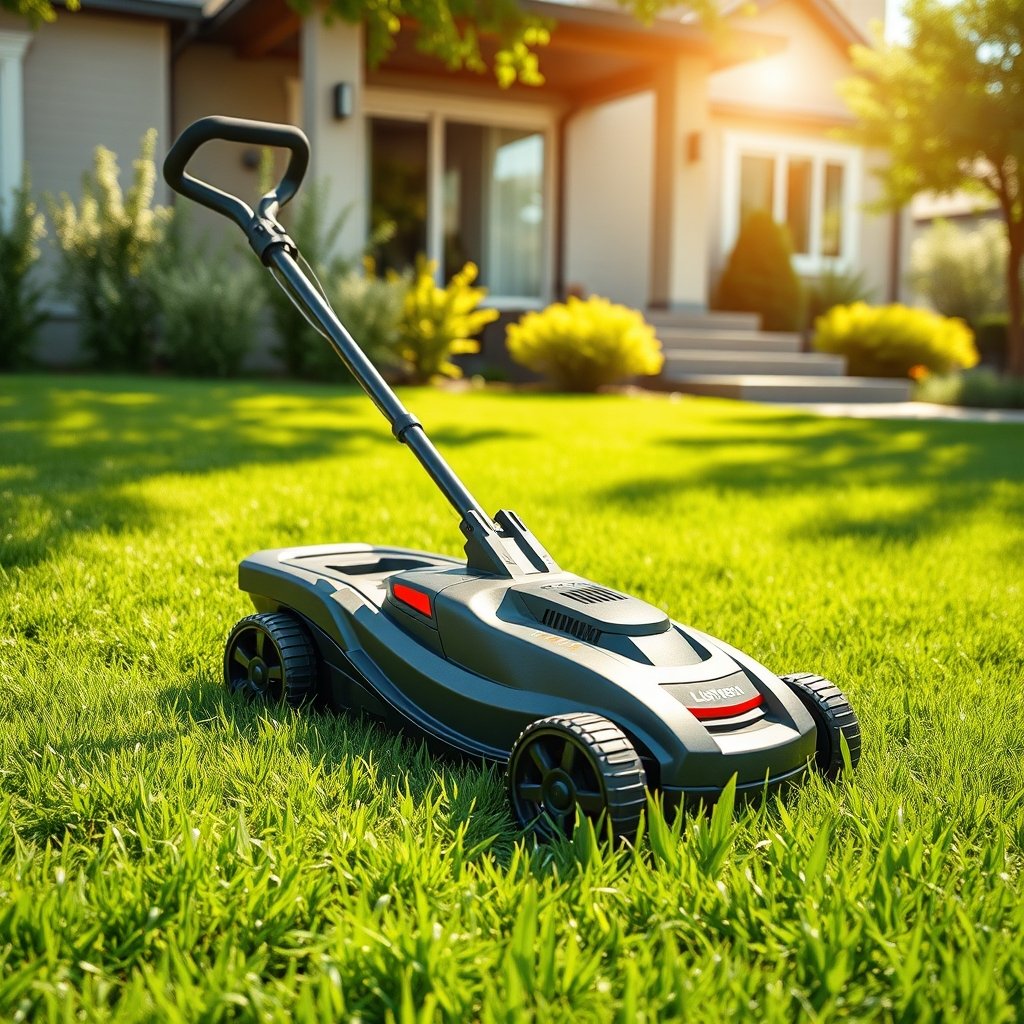
Today’s standout features? Lithium-ion batteries, multi-battery parallel packs, and self-propelled models that boost runtime to 45–90 minutes per charge—often replacing gas for good.
How to choose the right voltage and battery strategy
Switching from gas to cordless isn’t just about picking a mower off the shelf. The real key is to match your lawn size and grass type to the right voltage class, battery capacity, and parallel-battery system for predictable, reliable results.
Select your voltage class
- 40V systems: Best for small lawns (up to ⅓ acre), light grass, or infrequent mowing. Expect 25–50 minutes of runtime per pack; power can drop on thick, damp grass.
- 60V systems: The suburban “sweet spot” for ⅓–¾ acre lawns. With 2 packs or dual-bay mowers, real-world runtime jumps to 45–70 minutes. Handles moderate slopes and thick turf better.
- 80V+ systems: Build for big jobs (1+ acre), thick/overgrown grass, steep slopes, or if you want maximum buffer between charges. With 2 or more packs, users report 75–90+ minutes per session.[OpenPR Market Analysis]
Map batteries to your actual mowing habits
- Single large pack: Cheap, but if runtime or performance drops (e.g., battery ages/degrades, thick spring grass) you’ll need to stop mid-job.
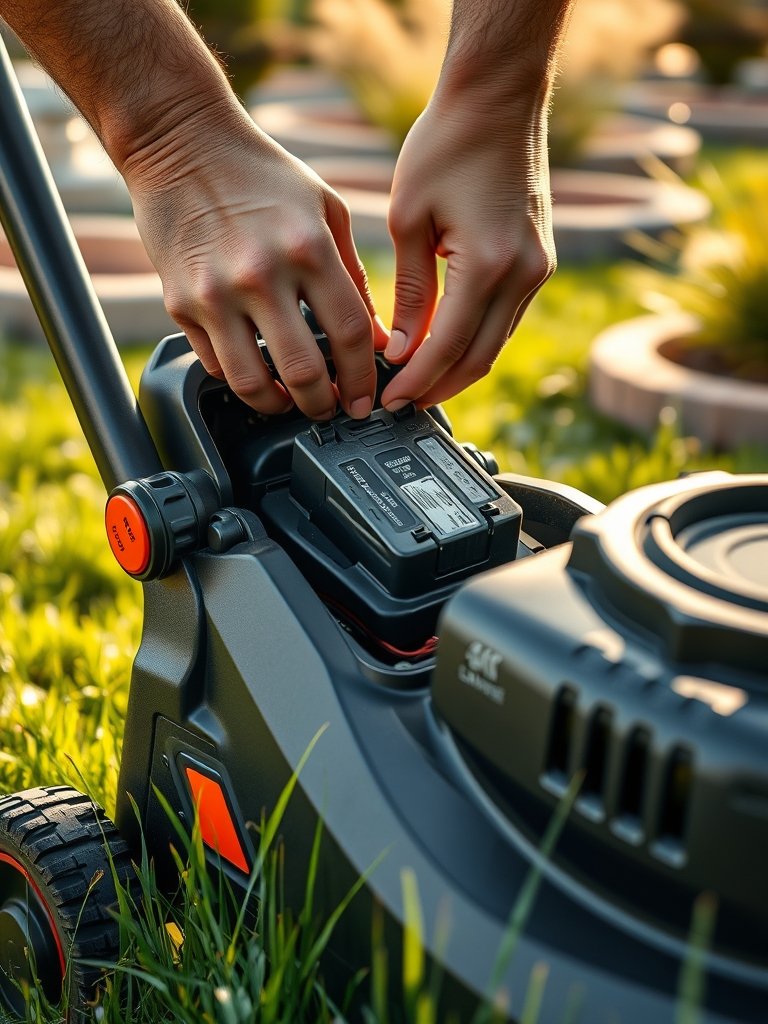
- Two+ packs (parallel, hot-swappable): Extends total runtime and keeps voltage stable under heavy load. This is overwhelmingly favored for lawns above ½ acre and anyone mowing in summer heat or after rainfall.
- Most top models let you run two batteries in parallel—look for this as a must-have, not an optional upgrade.
Fast charger vs. standard
- Standard chargers take 4–6 hours per battery. Upgrade or bundle a fast charger for high-frequency use (charges most packs in 60–120 minutes), especially if you want to mow and garden on the same day.[Consumer Reports]
Checklist: recommended approach by lawn size
| Lawn Size | Suggested Voltage | Battery Pack Count | Expected Runtime |
|---|---|---|---|
| ≤0.25 acre | 40V | 1–2 | 30–50 mins |
| 0.25–0.5 acre | 60V | 2 | 45–70 mins |
| 0.5–1.5 acre | 80V+ | 2–3 | 70–90 mins |
Also consider battery cross-compatibility if you own other power tools—many brands allow sharing packs between lawn, yard, and garage equipment. This can save both money and shelf space.
For even more step-by-step actionable home upgrades, see our practical guides: robotic lawn mower, pollinator garden quick start, or check out cold plunge pool for backyard recovery.
Advanced analysis & common pitfalls: what ex-gas users discover
Even the best battery powered lawn mower comes with tradeoffs and learning curves for gas converts. Here’s what real users and experts report most often:
- Insufficient runtime for lawns bigger than ½ acre unless you have dual batteries or spares ready to swap.
- Noticeable power loss on thick, wet, or overgrown grass. Even 60V and 80V models can’t match the instant torque of gas in extreme conditions.
- Long recharge cycles: Most standard chargers take 4–6 hours. Without a spare or fast charger, mowing pauses are unavoidable.
- Battery degradation: Most users report capacity drop after 300–500 charge cycles, which can mean replacing a $150–$350 pack after 3–5 years if used frequently.
- Batteries exposed to summer heat, over-discharged, or left outside degrade faster.
- Higher upfront cost than gas—especially with multi-battery setups—but lower yearly maintenance (no oil, spark plugs, air filters, or carburetors to deal with).
- Motor overheating can occur if pushing on tall weeds for extended periods—models with better ventilation and current-limiting firmware fare best.
- Bagging and mulching trade-offs: Some battery models have smaller bag capacity and less efficient grass ejection compared to similarly priced gas units.
- Service and support: Repair centers for gas are more common in rural areas, while battery mower support is still growing—favor brands with nationwide service networks.
- Battery cross-compatibility: Not all brands allow using the same batteries across their tools (string trimmers, blowers, saws, etc). This can limit future flexibility.
Cost breakdown: Battery vs. gas over 5 years
| Cost Component | Battery Mower (Dual-Pack) | Gas Mower |
|---|---|---|
| Initial Purchase | $450–$900 | $325–$750 |
| Extra Battery/Charger | $150–$350 | N/A |
| Yearly Fuel/Oil | $0 | $25–$50 |
| Maintenance (air filters, plugs) | $0 | $30–$60 |
| Battery Replacement (every 3–5 years) | $150–$350 | N/A |
| Estimated 5-Year Total Cost | $750–$1,600 | $625–$1,100 |
True long-term savings depend on how often you replace batteries and whether you stack your mower batteries with other cordless tools you own.
Expert-vetted best battery powered lawn mower brands for durability
- Ego ZT4215S – Top performance for self-propelled and riding; highly rated by Consumer Reports (see battery mower rankings).
- DeWalt DCMWSP700Y2 – 60V platform; strong warranty and commercial use rating.
- Greenworks MO40L413-00 – Value leader for smaller lawns; dual-battery bays and good parts support.
- Ariens Ridgeline 32, Stihl RMA 348, Echo LM-2119SP — All standouts in 2026 expert and user reviews for cut quality, runtimes, and overall user satisfaction.
Look for 3–5-year tool warranties and 2–3 years on batteries. Always register tools and batteries as soon as you get them home—this is required by most brands for full warranty support.
Looking to make more home upgrades hassle-free? See our proven guides for crawl space encapsulation or learn about whole home battery backup for true resilience.
Conclusion: final recommendations
Switching to a cordless electric lawn mower isn’t just the environmentally responsible choice—done right, it’s the simplest path to quieter, cleaner, more convenient lawn care. Pick your voltage based on lawn size: 40V for small yards, 60V for midsize, 80V+ for large or thick grass. Choose a model with two (or more) battery slots, invest in at least one spare pack, and get a fast charger if you mow often or have a large yard. Register products for warranty and always care for your batteries as if you’ll want five years of reliable service. Ready to make the leap? Try a demo at your local dealer, use Consumer Reports or DOE test data to compare, and check the 5-year total ownership cost before you buy. Your cordless electric lawn mower is genuinely a smarter investment when you plan your battery strategy from the start.
Get started now: Visit a local retailer for a test drive; check third-party reviews; price out your two-battery/fast charger setup—the right research up front will save you from frustration, disappointment, or surprise expenses later.
FAQ: cordless electric lawn mowers
How long can I expect a cordless electric lawn mower to run on one charge?
Most modern models with dual battery packs provide 45–90 minutes of runtime, depending on voltage, battery size, grass thickness, and temperature. For lawns larger than ½ acre, plan for multiple batteries or mow in segments.
How often will I need to replace the batteries?
Lithium-ion mower packs typically last for 300–500 full charge/discharge cycles. With average use, expect to replace them every 3–5 years. Storing batteries indoors and keeping them out of extreme heat or cold can extend lifespan.
Are battery powered mowers powerful enough for thick or wet grass?
60V and 80V models handle most suburban grass types. Wet, very thick, or overgrown lawns may still challenge power limits—expect slower progress and shorter runtime compared to gas. For tough or hilly yards, prioritize torque and dual-battery self-propelled models.
Is the total cost of ownership really lower than gas?
Upfront prices are higher, but you save yearly on gas, oil, and maintenance. Over 5 years, savings usually become clear—provided you manage battery replacement costs and factor for your particular usage frequency.
What if my nearest repair center is far away?
Service networks for battery mowers are growing but still may lag gas in some areas. Prioritize brands with strong local dealer support, mail-in warranty options, or cross-tool battery platforms for better long-term coverage.