

EV charging station home installation is becoming a must-have upgrade for EV owners in 2024. But hidden costs, complex electrical upgrades, and slow permitting can catch even savvy homeowners off guard.
Key Takeaways
- Level 2 charger home installation typically costs $1,200–$3,000 nationally, but can top $4,000 with panel upgrades or long wiring.
- The most common problems are electrical panel limitations, hidden site-specific fees, and significant permitting delays.
- No major federal tax credits or rebates exist for 2024—careful budgeting is essential before starting any project.
- What Is EV Charging Station Home Installation And Why It Matters
- Step-by-Step Guide to Level 2 EV Charging Station Home Installation
- Advanced Analysis & Common Pitfalls
- Conclusion
- FAQ
What Is EV Charging Station Home Installation And Why It Matters
EV charging station home installation refers to setting up a dedicated Level 2 charger in your garage, driveway, or private parking spot. These 240V units deliver much faster charging than ordinary outlets—most drivers can charge overnight and skip public stations.
Homeowners opt for this upgrade to avoid range anxiety, save time, and future-proof their property value. However, installation is rarely plug-and-play. Careful planning around panel size, wiring, and permits is critical. Cutting corners can lead to failed inspections or costly redos.
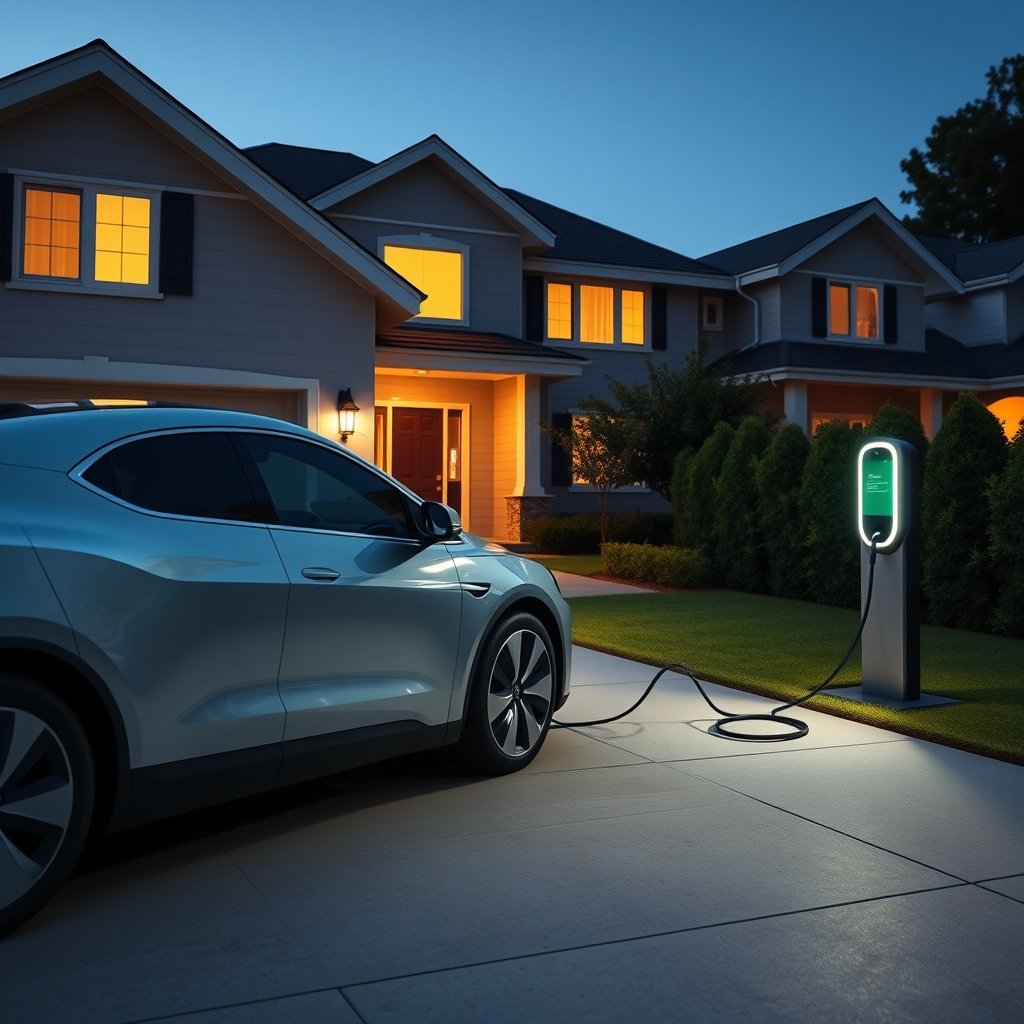
Costs range widely based on region, your home’s electrical system, and the distance from your main panel to the installation site. A standard installation—charger plus 240V outlet—can run $1,200–$3,000, but older homes may require a new electrical panel or subpanels, sending costs soaring toward $5,000 or more. For a complete, code-compliant install, it’s vital to follow a step-by-step process—and know which steps add hidden costs.
Thinking of other electric upgrades? Explore whole home battery backup systems for added resilience.
Step-by-Step Guide to Level 2 EV Charging Station Home Installation
- Assess Your Electrical Panel Capacity
Check if your home’s service panel has open spots and enough amperage. Level 2 chargers often require a 40–50 amp circuit. Schedule a load calculation with an electrician—this prevents costly surprises later. - Choose Your Charging Station
Residential chargers range from $400–$2,000. Most drivers need 32–48 amps for daily use. Look for smart features like WiFi control or scheduled charging. For reliable, code-compliant installation advice, check out this step-by-step guide. - Plan Your Installation Route
Minimize wire length—runs over 50 feet increase costs. Trenching, drilling, or rewiring can quickly add $500–$2,000, especially for detached garages or long wiring. - Pull Permits and Schedule Inspections
Most towns require a permit ($50–$800+). Utility notification or inspection may be mandatory. Expect multi-week approval in large cities or busy markets. - Professional Installation
Hire a licensed electrician with experience in EV charger projects. Labor costs average $800–$2,500 depending on complexity, labor rates, and region. Make sure your pro handles all code compliance and passes final inspection. - Connection and Testing
Once installed, your electrician should test that the charger feeds correct voltage, that breaker trips work, and that WiFi smart features connect correctly.
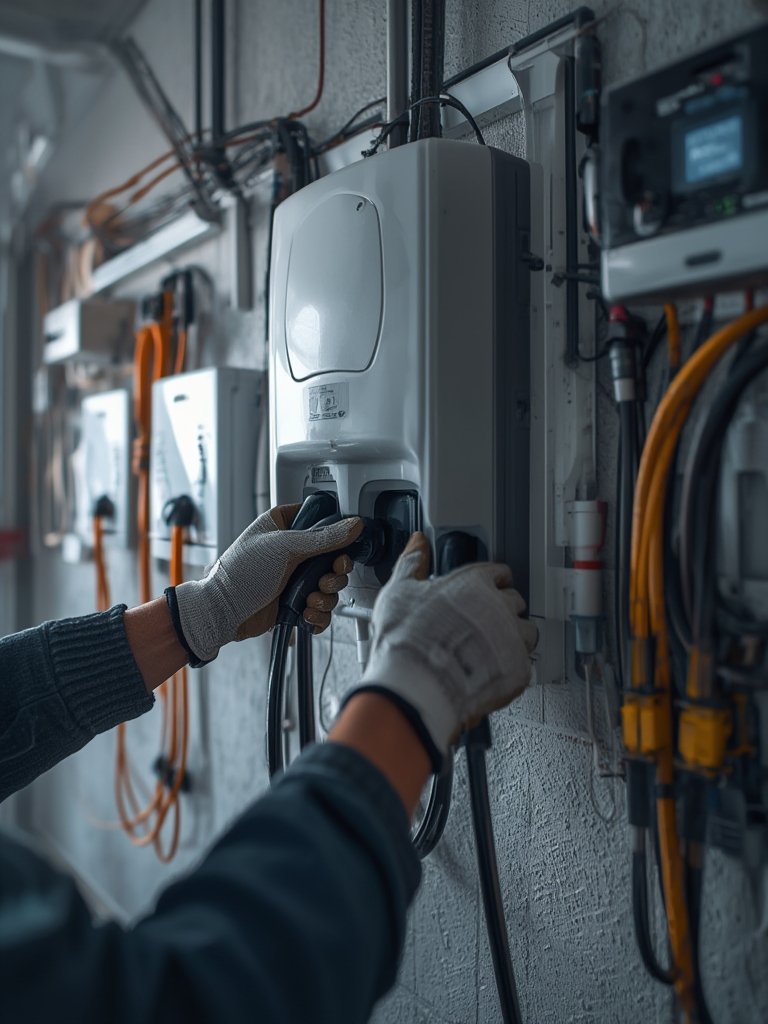
Want a deep dive into panel upgrades and preventing code issues? Read what to expect for code compliance and cost control.
Advanced Analysis & Common Pitfalls
Even a “simple” EV charging station home installation can run into major issues—especially in older homes or areas with strict permit requirements:
- Panel Capacity Surprises: Many homes can’t safely add a 50A EV charger circuit without a main panel upgrade ($1,500–$5,000+). Skipping electrical panel capacity calculations is the #1 cause of budget blowout.
- Permitting Delays: Big cities or busy inspectors can stretch paperwork and inspection out for weeks. Some towns require utility coordination for load increases, adding more time and hassle.
- Hidden Labor and Material Fees: Trenching to a detached garage, drilling through concrete, or snaking wire long distances often adds $500–$2,000—none of this is covered in “average” national pricing.
- No Tax Credits: No verified federal, state, or local credits or rebates exist for residential installs in 2024, according to recent research. Budget accordingly and don’t rely on incentives.
- Unvetted Installers: Lack of clear certification guidelines leaves some homeowners hiring non-specialist electricians. This can void product warranties or lead to unsafe installs—always verify experience.
| Installation Factor | Low-End Cost | High-End Cost | Common Problems |
|---|---|---|---|
| Charger Hardware | $400 | $2,000 | Model confusion, lack of smart features |
| 240V Outlet/Hardwire | $300 | $800 | Inadequate panel capacity |
| Labor | $400 | $3,000+ | Labor rate variation, trenching/drilling surprises |
| Permits/Inspections | $50 | $800+ | Permit delays, failed inspections |
| Panel Upgrade (if needed) | $1,500 | $5,000+ | Forgotten in initial quotes |
In California, high permitting and labor rates can push a single standard install to $4,148 or more, while other regions average $2,100–$3,000. See full details and regional breakdowns in this cost analysis and this installer guide.
For buyers planning longer-term home electrification—adding heat pumps, battery backup, or future Level 2/3 charger upgrades—run wiring pathways with expansion in mind. Check out this guide on solar panel roof installations to see how infrastructure upgrades can align across projects.
Another overlooked step: lead time for permit approval and utility sign-off. Most homeowners underestimate the time from scheduling to final inspection, especially in cities with tight labor markets or stricter enforcement. Get timelines in writing from your electrician up front.
Conclusion
Installing a home Level 2 EV charger is practical and often essential, but EV charging station home installation demands careful planning around cost, code compliance, and electrical capacity. Expect total costs of $1,200–$3,000 for standard homes, and budget much higher—up to $5,000+—if a panel upgrade is needed or your property has long wiring runs or tricky permit hurdles.
If you’re ready to install, start by confirming your electric panel’s load and anchoring down all site-specific costs. Still deciding between upgrades? Review a detailed code-compliance checklist in this proven guide or compare battery and solar options in our straightforward backup system overview.
Act now: Get multiple quotes, insist on written cost breakdowns, and make sure your EV charging station home installation starts with a professional electrical audit—not just a phone estimate.
FAQ
What’s the true average cost to install a Level 2 charger at home in 2024?
Most homeowners pay $1,200–$3,000 total, including equipment, basic labor, and permits. Complex jobs—especially those needing an electrical panel upgrade—can push the cost over $5,000. See up-to-date numbers at Recharged.com’s cost guide.
Do I need a full panel upgrade for EV charging at home?
Not always, but many older homes or houses with lots of large appliances don’t have enough electrical capacity for an additional 40–50 amp circuit. An electrician’s load calculation will reveal if you need a panel upgrade, which adds $1,500–$5,000+.
Are there any tax credits or rebates for EV charger installation in 2024?
No major federal, state, or local rebates are widely available in 2024 based on current research. Always ask your local utility about small incentive programs, but don’t count on significant discounts.
What’s required for a safe, code-compliant installation?
At minimum: a dedicated 240V circuit, correct breaker, a permit (in most areas), and a final inspection. Always use a licensed electrician with recent EV charger install experience. For code tips, see this detailed step-by-step installation guide.
How long does installation (including permits) actually take?
Simple installs with available panel capacity and short wire runs can be completed in 1–2 days. Waiting for permit approval and electrical inspections can stretch the total process from 1–4 weeks in many regions.