

GPS pet tracker technology is rapidly becoming a must-have for responsible pet owners who fear their dogs or cats might slip away. With more than 1.7 million pets reported lost annually in the US and only about half ever reunited with their families, GPS pet trackers provide a practical way to improve the odds of bringing missing pets home.
Key Takeaways
- GPS pet trackers can substantially increase your chances of reuniting with a lost pet compared to pets without electronic identification.
- Set up, usage, and expectations should be realistic—no technology is perfect; knowing common pitfalls can help you avoid frustration.
- Costs, battery life, and privacy vary by brand. Always review ongoing expenses and device durability before purchase.
- What Is a GPS Pet Tracker (and Why Bother)?
- How to Choose and Set Up a GPS Pet Tracker
- Advanced Analysis & Common Pitfalls
- Conclusion
- Frequently Asked Questions
What Is a GPS Pet Tracker (and Why Bother)?
A GPS pet tracker is a compact electronic device that attaches to your pet’s collar, allowing you to monitor their real-time location using a smartphone app or web dashboard. The appeal is straightforward: If your dog or cat escapes, you can find their exact whereabouts rather than searching blindly or relying on lost pet posters.

Real-world recovery rates are sobering. For 2024, more than 1.7 million pets were reported lost in the US. While 63% of lost dogs and 52% of lost cats made it home, technology like GPS trackers boosts these chances significantly. Yet, only about 15% of lost pets with tags, microchips, or GPS trackers were ever returned to owners, highlighting both the promise and the current limitations (source).
Compared to microchips—which require someone to find and scan your pet—GPS trackers put you in charge. You get instant, active data. No system is foolproof, but using a GPS tracker is one of the best ways to stack the odds in your favor and avoid the heartbreak many owners experience every year (stats).
If you care about pet safety, a GPS tracker is a smart, practical investment—especially for dogs prone to running, escape-artist cats, or families living near busy roads or wildlife areas.
How to Choose and Set Up a GPS Pet Tracker
Making GPS technology work for your pet can be straightforward, provided you focus on the essentials. Here’s exactly what to do.
- Assess Your Needs and Your Pet’s Habits. Is your pet mainly indoors or outdoors? Do they travel with you? Consider their size—heavy trackers don’t work for small cats. Write down your main worries (runaway risks, nearby hazards, busy streets).
- Compare Key Tracker Features. While specific 2024 model data is sparse, always check:
- Battery life (days of use per charge)
- Update frequency (does it show moves live, every minute, or every 10 minutes?)
- Water-resistance (look for IP67 or IP68 if you’re outdoors a lot)
- Does it use a subscription for cellular service or offer a one-time fee?
Read user reviews and check for recent recalls, though none have been reported for 2023-2024 (source).
- Buy and Register Your Tracker. Whether you choose a basic Bluetooth model or advanced cellular tracker, always register it using your pet’s info and a backup contact if allowed by the app.
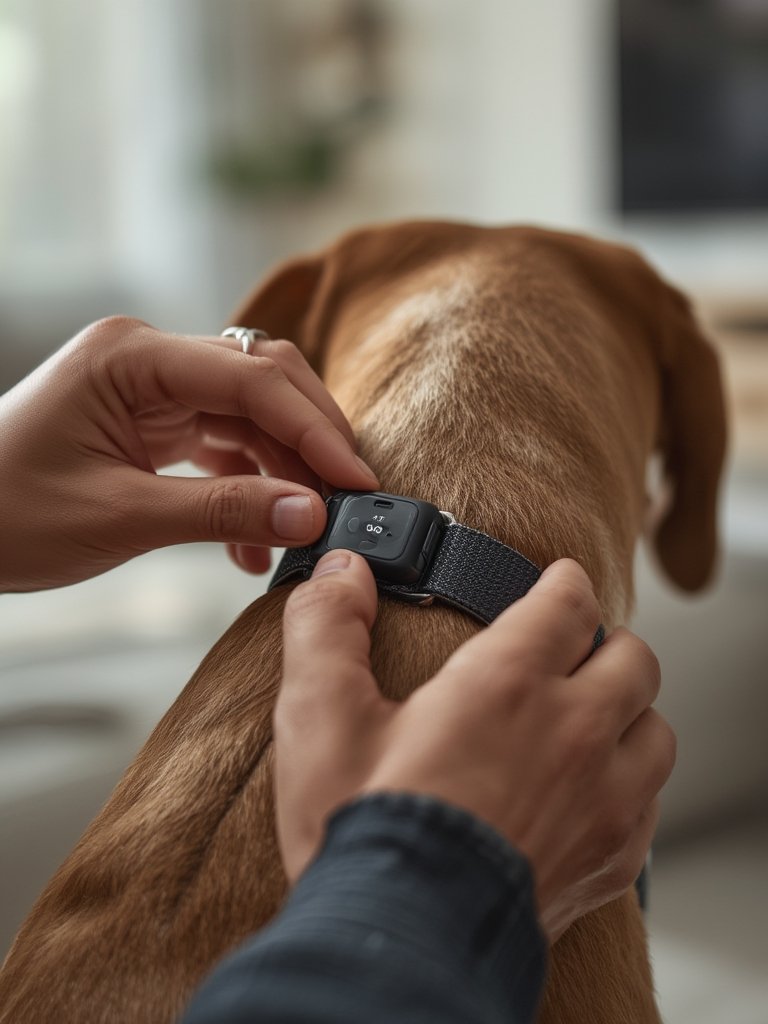
- Attach Securely—Test All Functions. Place the device snugly on your pet’s collar (look for quick-release collars for safety). Use the app’s test mode to simulate a “lost pet” only after your pet is secure in a fenced area or on leash.
- Integrate into Your Routine. Make tracker charging and app testing part of your regular pet care checklist. Mark battery change or charging days on your calendar or set a recurring phone reminder.
- Teach All Family Members. Show partners, kids, and regular pet sitters how the tracker and app work, so they can respond fast if anything happens.
- Level Up Safety. Combine GPS tracking with consistent use of microchip, ID tag, and visible collar. The more layers, the better your odds.
Beyond just buying a device, consider integrating trackers into a wider smart-home setup for even more peace of mind. If you’re a tech-savvy owner, connect your GPS pet tracker system with other tools such as an AI-powered smart home hub, or go further by automating alerts using DIY smart home retrofits. For pets with special needs, pairing a tracker with automatic water fountains or proper nutrition helps keep them healthier if they ever go missing for more than a few hours.
Advanced Analysis & Common Pitfalls
Not every GPS pet tracker experience is smooth or problem-free. Owners report some common issues and misunderstandings—here’s what to expect, plus honest ways to mitigate frustration and wasted money.
| Issue | Reality in 2024 | What You Can Do |
|---|---|---|
| Accuracy & Coverage | Most trackers work best in open areas; thick forests, buildings, or rural zones with poor cell signal reduce precision. No direct 2024 complaints, but these have long been user pain points. | Test your tracker in high-risk zones; research user experience beforehand if possible. Consider crowd-GPS if living in low-signal regions. |
| Battery Life Limitations | Modern batteries last from several days to weeks, but active daily use and ultra-frequent updates drain faster. Forgetting to charge is the top real-world failure point. | Add battery checks to your pet care routine and back up with traditional tags and microchips. Keep a spare charger cable for trips. |
| Device Durability | No widespread durability complaints in 2024, but ruggedness varies. Pets that swim, dig, or chew increase the wear rate. | Choose models with waterproofing (IP67/IP68) and impact ratings if your pet is rough on gear. |
| Ongoing Subscription Costs | Top GPS trackers often require monthly or annual fees for cellular connectivity; these add up over the years. | Always check the “upfront” plus “recurring” fee before you buy. Avoid surprises by reading all the fine print or considering lifetime plans if available. |
| Privacy and Data Safety | No major privacy issues or recalls reported for 2023-2024. Still, sharing real-time pet location involves some privacy tradeoffs if the brand isn’t reputable. | Stick to established manufacturers. Read privacy policies—opt out of data sharing when you can. |
If you want to maximize your investment, avoid these pitfalls by setting the right expectations and sticking with established brands. If you’re handy, you may be tempted to tinker with DIY solutions; in that case, borrow best practices from other DIY smart home upgrades for reliability and coverage.

Conclusion
Pet safety should never be left to chance. With millions of beloved animals going missing yearly, a GPS pet tracker is one of the surest ways to improve your pet’s odds of making it home—and to give yourself peace of mind. While technology and costs vary, the benefits far outweigh the limitations for most owners. Choose wisely, test often, and stay proactive. For even more pet safety tips, explore our guides to indoor cat enrichment toys or consider a pet water fountain for better hydration if you’re leaving pets alone for longer periods.
Don’t wait until disaster strikes. Invest in a GPS pet tracker today and take an active role in your pet’s safety.
Frequently Asked Questions
How accurate are GPS pet trackers?
Accuracy varies by device model and location. Most modern trackers claim accuracy within 10–30 feet outdoors, but thick woods or tall buildings can reduce precision. Always test your tracker around your neighborhood to learn its limits.
Do GPS pet trackers require a subscription?
Many GPS pet trackers use cellular data and require a monthly or annual subscription. Some models offer a one-time fee but may have reduced coverage or fewer features. Always check for ongoing costs before you buy.
How long do the batteries last on GPS pet trackers?
Battery life depends on the model, activity level of your pet, and update frequency. Most devices last from several days to a few weeks between charges, provided you’re not forcing constant location updates. Set reminders to recharge.
Are GPS pet trackers waterproof?
Many new GPS pet trackers are at least water-resistant, but levels vary. Look for IP67 or IP68 ratings if your pet swims or plays in rain frequently. Check tech specs before purchasing.
Can a GPS pet tracker replace a microchip or ID tag?
No. Microchips and visible ID tags offer different types of backup identification. A GPS pet tracker is best used in combination with these traditional methods for maximum protection.