

Scalloped tile accent wall installations have rapidly become a centerpiece in modern bathroom design, offering texture, movement, and high perceived value without locking homeowners into styles that harm resale. However, pulling off this look successfully requires practical know-how, a clear-eyed cost-benefit analysis, and careful avoidance of common mistakes.
Key Takeaways
- Scalloped and wave tile accent walls are driving 2024’s bathroom trend cycle but must be balanced with timeless color palettes to protect resale value.
- Challenges include high material costs, skilled labor shortages, and persistent maintenance demands for grout and undulating surfaces.
- Choosing high-quality porcelain lookalikes, precise installation methods, and staged photography will help you avoid the pitfalls and maximize returns.
- 2024 Market Snapshot — Why scalloped and wave tiles matter now
- How to Plan, Install, and Maintain a Scalloped Tile Accent Wall
- Advanced Analysis & Common Pitfalls
- Conclusion: Should You Choose a Scalloped Tile Accent Wall?
- FAQ & Quick Decision Checklist
2024 Market Snapshot — Why scalloped and wave tiles matter now
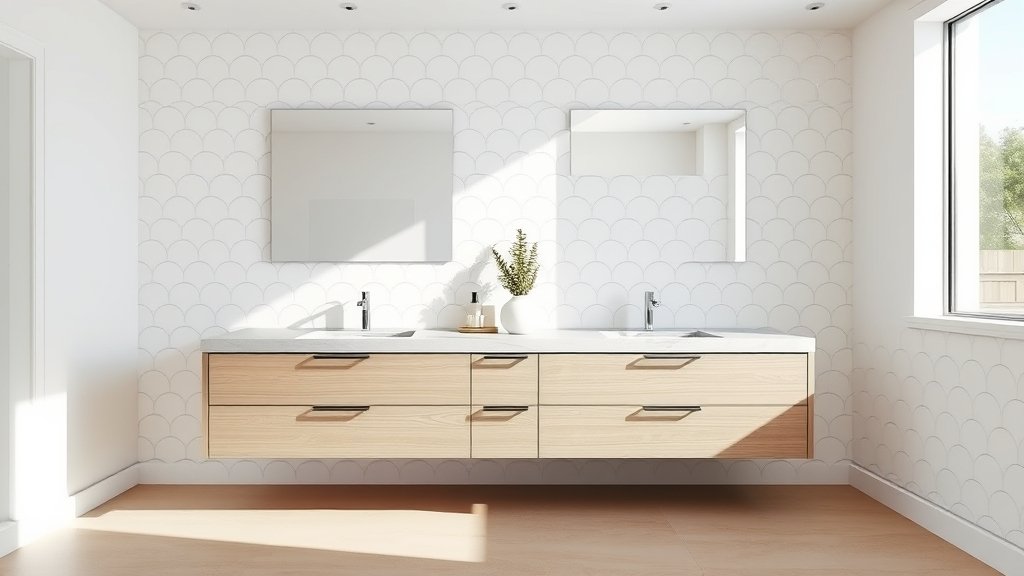
The rise of scalloped tile accent wall and wave tile bathroom designs has been profound in 2024. The U.S. tile installation market reached $13 billion in value, with specialty textured wall tiles like scalloped-edge and wave styles comprising 12 to 15 percent of residential remodel projects involving accent tile. This surge comes as homeowners seek modern effects that create a focal wall, using curves and dimensional surfaces to stand apart from the grid layouts that have dominated for a decade.
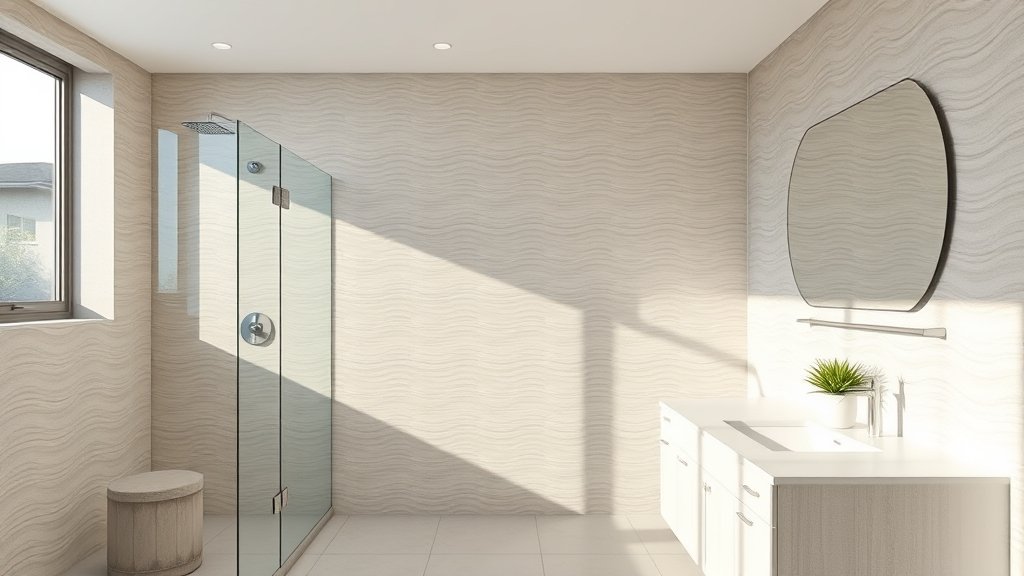
Buyer appeal is rooted in the tactile, calming feel of these tiles and their impression of high-end craftsmanship. According to industry coverage of 2024 trends, textured wall surfaces are now a major factor in bathroom remodels where resale is a concern—provided the execution leans neutral and timeless rather than bold or overly trendy. Many designers recommend pairing vibrant scalloped or wave tiles as accents in mostly neutral settings to offer visual punch without limiting future buyer interest.
How to Plan, Install, and Maintain a Scalloped Tile Accent Wall
Successfully installing a scalloped tile accent wall calls for precise planning, careful substrate prep, and a maintenance mindset from day one. Below you’ll find a realistic, market-backed approach split into actionable steps for homeowners considering this upgrade—and for contractors guiding clients through the process.
- Choose Timeless Over Trendy: Select tiles in neutral, classic tones—white, sand, soft gray, or stone-mimicking porcelain. This boosts both visual longevity and resale value. Bold colors should be used sparingly as accents.
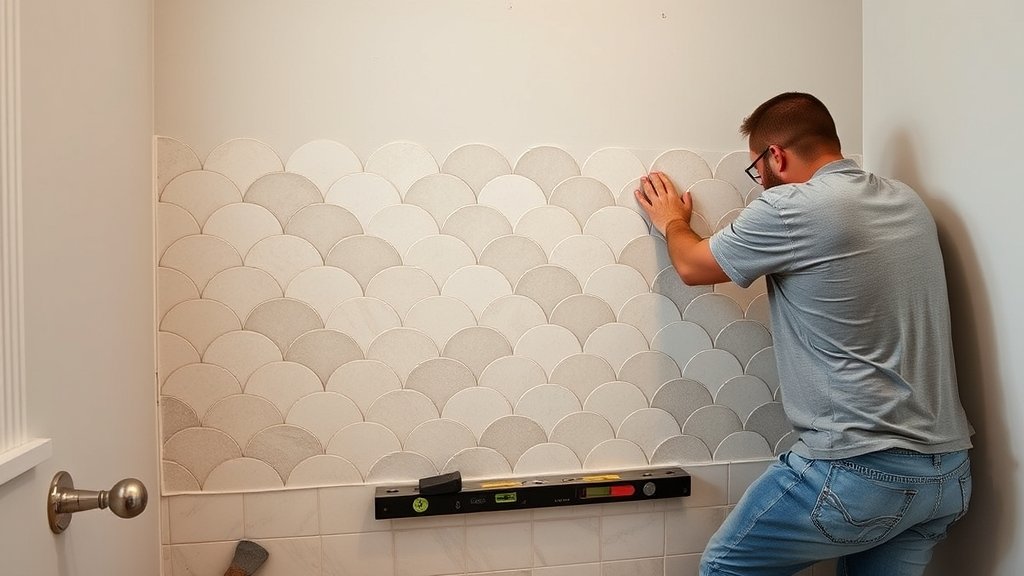
- Measure & Template Meticulously: Curved edges amplify layout errors. Map out your courses with a full-scale paper or cardboard template before cutting a single tile. Check for symmetry and avoid “visual drift” from sloped ceilings or out-of-square walls.
- Prep the Substrate Rigorously: Surfaces must be perfectly flat. Use cementitious backer board, not drywall, and fill or grind dips/bulges exceeding manufacturer tolerances. Use a long level and straightedge; build up low spots with patching compound.
- Dry-Lay & Snap Layout Lines: Dry-lay tiles to check pattern flow and how cut pieces will land at edges, corners, and niches. Snap layout lines as reference for both horizontal and vertical alignment—especially where scallops or waves overlap.
- Apply High-Performance Adhesive: Use a white, polymer-modified thinset for light porcelain or glass; larger, heavier tiles may need a medium-bed mortar for bond strength and to fill behind curved edges.
- Install with Leveling System: Curved tiles benefit from tile-leveling clips and spacers to prevent “lippage”. Work in small sections, double-checking for plumb and flush transitions.
- Mind Grout & Moisture: Choose fine, sanded grout for ceramic, or switch to epoxy grout for wave tile bathrooms with heavy water use. Apply a high-quality sealer and plan for annual resealing.
- Lighting & Photography: Install accent lighting or sconces washing along the tile. This highlights the texture and creates dramatic depth for both everyday use and real estate listing photos.
- Commit to Cleaning Protocols: Undulating surfaces gather dust and soap residue. Use soft-bristle brushes and pH-neutral cleaners monthly. Avoid harsh abrasives that can scratch glaze or porcelain surfaces.
Advanced Analysis & Common Pitfalls
Even seasoned pros encounter challenges mounting a scalloped tile accent wall. Below is a deeper dive into what can go wrong, which missteps kill resale value, and how to sidestep headaches reported by both contractors and homeowners in 2024.
1. Cost Overruns and Skilled Labor Gaps
High-quality scalloped or wave tile is expensive, and labor costs are up due to a shortage of vetted installers. According to industry analysis, both factors are currently the main cost drivers for feature wall upgrades.
| Cost Category | Percent of Total | What Drives Costs |
|---|---|---|
| Materials | 40–55% | Tile complexity, design, sourcing premium grades |
| Labor | 35–45% | Installer skill, regional labor shortages, custom layout |
| Prep/Repairs | 10–20% | Backing board, waterproofing, hidden wall issues |
*Request up-to-date regional labor and material quotes—the above split is a national average from 2024 but may vary.
2. Grout and Maintenance Failures
Grout lines on scalloped or wave tiles are irregular and prone to both staining and water infiltration. Persistence with old-school cement grout leads to early discoloration, while uneven sealing allows for mold growth—especially in wet room environments. Using epoxy grout and planning for periodic resealing is now the standard. Dust and soap residue build-up is reported as the main cleaning nuisance.
3. Design Choices That Limit Resale
Buyers frequently shy away from bold, loud color schemes that are hard to match with fixtures or existing styles. Stick to neutral main areas, keeping artistic colors for accent niches. Homeowners interested in timelessness—and future buyers—should reference 2024 tile design trends for ideas that age gracefully.
4. Technical Installation Pitfalls
- Substrate not perfectly flat, causing tile lippage or tenting.
- Overly thick mortar causing scallops/waves to distort or hold too much moisture.
- Poor edge planning leading to visible, jagged cuts at corners or around fixtures.
- Ineffective waterproofing, allowing water to penetrate under wavy edges or at base transitions—especially costly on shower walls.
- Failure to use movement joints or flexible caulking at all perimeter joints, which results in cracks as the home settles.
Conclusion: Should You Choose a Scalloped Tile Accent Wall?
The scalloped tile accent wall can deliver a dramatic, luxurious look and consistent resale upside—if you stay disciplined on design and execution. Prioritize neutral palettes, specify porcelain or high-quality stone lookalikes for wet areas, and hire only contractors with a proven track record on complex installs. Prepare for the cleaning realities of dimensional surfaces and invest up front in the right tools, layout approach, and grout systems.
Ready to create your statement bathroom? Scalloped tile accent wall projects bring the wow factor, but those who plan smartly see the best ROI and long-term enjoyment. To take your upgrade further, explore our wet room upgrades, review DIY-friendly flooring guides, or compare other accent wall solutions for your remodel.
FAQ & Quick Decision Checklist
Is the scalloped tile accent wall just a short-lived trend?
Industry data and design forecasts suggest that neutral or stone-inspired scalloped and wave tile walls will hold their appeal for many years. Steer clear of ultra-bright colors and stick to classic finishes for maximum longevity.
How much ongoing upkeep does a wave tile bathroom require?
Monthly cleaning is recommended to remove dust from curves. Use a soft brush and pH-neutral cleaner. Annual grout sealing (twice a year in heavy use areas) preserves waterproofing.
When should I hire a pro versus doing it myself?
If you have little tile experience or are dealing with significant wall prep, complex layouts, or a wet area like a shower, hiring a specialist saves headaches. DIY options are best limited to prep and simple flat layouts.
What’s the biggest mistake to avoid?
Poor substrate preparation and bad layout planning. Even expensive tile will look amateurish if set on a wavy, unlevel wall or with misaligned scallops.
Will this upgrade help my resale value?
When executed with neutral palettes and professional installation, homeowners see an average ROI in line with (or slightly above) a typical bathroom renovation—about 58 to 60 percent, according to 2024 contractor surveys and MLS resale data.