

Considering a backup power solution? Whole-home generator installation is one of the most reliable ways to protect your house from unexpected outages, but it comes with important costs and technical decisions. This guide gives you clear, up-to-date details for 2024, including actionable steps and accurate price ranges.
Key Takeaways
- Whole-home generator installation costs range from $7,000 to $25,000+ depending on system size, brand, and regional permit requirements.
- Most installations require permits, site prep, a professional transfer switch, gas lines, and skilled labor—DIY installs are rarely possible or legal.
- Choosing between standby and portable generators means weighing cost, power needs, automation, installation complexity, and ongoing fuel management.
- What Is Whole-Home Generator Installation and Why Do Homeowners Choose It?
- Step-by-Step Guide to Whole-Home Generator Installation (2024)
- Advanced Analysis & Common Pitfalls
- Conclusion
- Frequently Asked Questions (FAQ)
What Is Whole-Home Generator Installation and Why Do Homeowners Choose It?
Whole-home generator installation means permanently adding an automatic backup power system to your house, typically powered by natural gas, propane, or diesel. Unlike portable generators, these systems start automatically during an outage and power your entire home, not just selected circuits.
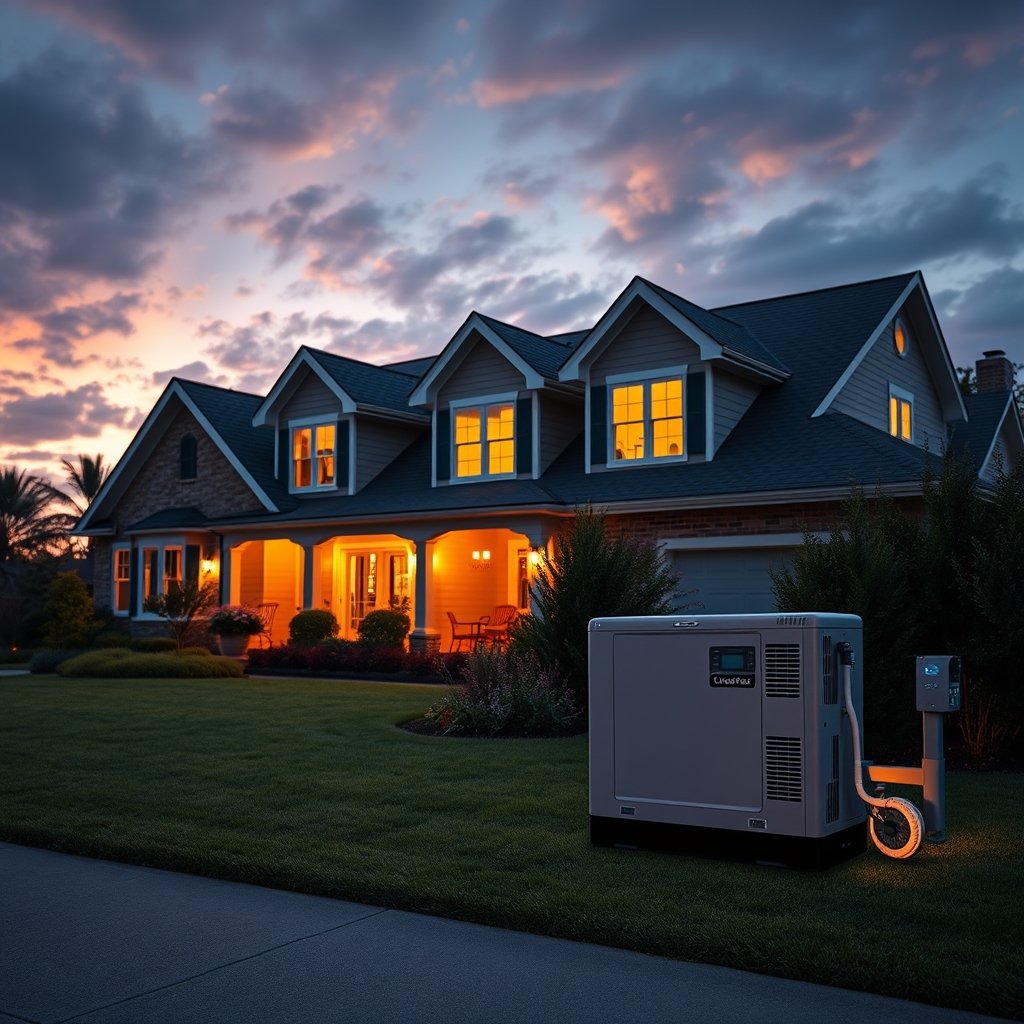
This approach provides peace of mind during storms, wildfires, or grid failures. Homeowners choose whole-home generators for:
- Protecting sensitive electronics and medical equipment during blackouts
- Maintaining heating, cooling, refrigeration, and daily life without interruptions
- Increasing home resale value and insurance resilience
Compared to solutions like whole home battery backup or partial generator systems, it offers the highest degree of automation and coverage—at the highest up-front cost. Key reasons not everyone chooses this path are installation complexity, strict permitting, and high investment. But for homeowners needing true whole-house backup, it’s the top-tier solution.
Step-by-Step Guide to Whole-Home Generator Installation (2024)
- Assess Your Power Needs
Calculate your home’s peak power usage by totaling the wattages for all key appliances and HVAC systems. Most households need at least 14-22 kW to run essential items, but large homes may require 26 kW or more. - Choose Generator Size and Type
For whole-house coverage, typical price bands are:- 14 kW units: $4,000–$5,500
- 22 kW units: $5,000–$7,000
- 26 kW units: $7,000–$9,000
Pick fuel type—natural gas (most convenient), propane (requires onsite tank), or diesel.
- Obtain Permits and Plan Site Preparation
Check with your city for electrical and building permits. Costs run $1,500–$4,000; seismic or fire-prone zones may require architectural drawings ($3,000+). Neglecting this leads to fines or denied final inspections. - Hire a Licensed Installer
Find a pro with experience in whole-home generator installation. Installation labor will run $3,000–$7,000+, with electrical work accounting for $2,500–$3,500 alone. Be sure your contractor includes all necessary items: surge protection ($700), gas lines, and concrete pad. - Prepare for Integration
Most installs need a concrete pad ($1,000–$1,500) and a new gas line ($650–$2,500) to feed the generator. Professional positioning minimizes noise and meets safety setbacks. - Install Generator and Transfer Switch
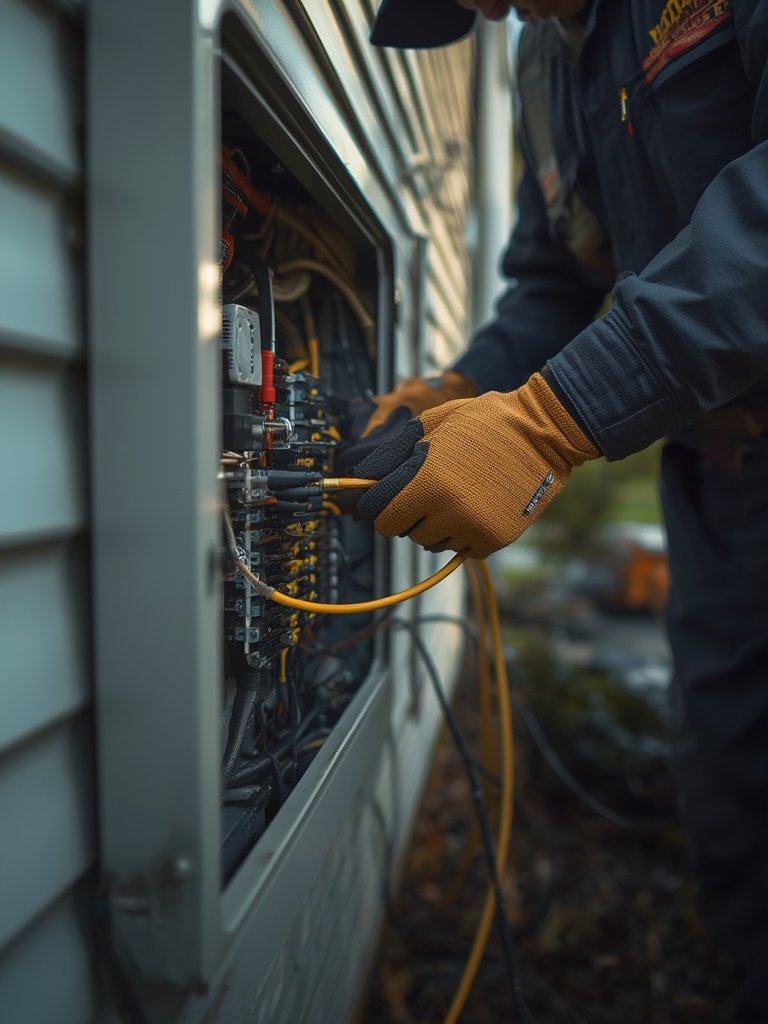
The installer mounts the generator and installs the automatic transfer switch ($600–$2,500). ATS is the critical component allowing instant power changeover when the grid fails. - Inspections and Startup Testing
Local authorities inspect, and the installer runs a full test blackout. Only then is your generator legally connected and warrantied.
If you want full resiliency, consider combining your system with a whole home battery backup for silent operation and more flexibility (especially with solar). Related electrical upgrades, like a home EV charger installation, can sometimes be bundled if your panel is being touched.
Advanced Analysis & Common Pitfalls
Despite the reliability of whole-home generators, there are hidden challenges and costs you should anticipate. Based on national data and regional case studies, here are the most common stumbling blocks:
- Permitting Delays & Overlooked Costs
In California and some cities, expect months-long permit reviews and additional fees if architectural drawings are required. Missing seismic or pad requirements creates costly rework. - Labor Overruns
Labor averages 40% of your installation budget, and “surprise” electrical upgrades (old or undersized service feeders, outdated grounding) can add $2,000–$5,000 quickly. - Transfer Switch Confusion
Upgrading to an ATS is crucial but can be overlooked or misquoted. Always confirm the transfer switch is rated for whole-home load, not just a subpanel. - Generator Sizing Errors
Under-sizing your generator means it will trip or fail to power HVAC or large appliances during a true outage. - Regional Cost Surprises
Local permit fees, utility notification, and fuel line runs can vary by thousands of dollars. For example, Nevada averages $6,000–$11,000 for complete installs, while complex jobs in California regularly exceed $20,000. - Brand Confusion
Generac leads the market but is often pricier ($6,000+ for the unit) compared to similar-capacity Honda, Champion, or Briggs & Stratton generators. Don’t pay more for brand alone—compare real capacity, warranty, and service coverage.
| Feature | Standby Generator | Portable Generator |
|---|---|---|
| Power Output | 22–48 kW (whole home) | 1–7.5 kW |
| Automation | Automatic, with ATS | Manual start & fuel |
| Fuel Source | Natural gas, propane, diesel | Gasoline, propane |
| Cost Installed | $7,000–$25,000+ | $500–$2,000 |
| Installation | Professional, permits required | DIY, no permit (for standalone use) |
| Reliability | Very high, starts instantly | Depends on manual setup, fuel supply |
| Resale Value | Can increase home value | No impact |
| Maintenance | Annual service required | User performed, lower cost |
For homes with solar, see solar panel roof installation cost and explore pairing battery and generator systems. For complex homes or ADUs, get advice on permitting and code compliance to avoid legal headaches.

Conclusion
Whole-home generator installation is a major but worthwhile investment. Costs are substantial, often from $7,000–$25,000 depending on region and system size, but the payoff is uninterrupted comfort, security, and property value during outages. Always factor in permits, fuel line work, and professional integration—DIY is not an option here. If maximizing resilience is your goal, nothing beats a professionally installed, code-compliant generator.
Ready to take the next step? Review your power needs, gather local permit requirements, and start getting quotes. If you have questions about transfer switches, combining with a battery backup system, or want a code-compliant home EV charger installation, reach out today—don’t wait for the next blackout. Whole-home generator installation is your peace-of-mind upgrade for 2024 and beyond.
Frequently Asked Questions (FAQ)
How long does whole-home generator installation take?
Most professional installations take between two days and two weeks. Timing depends on permit speed, site preparation, and utility coordination. In busy seasons or areas with strict regulations, expect waits of 4–8 weeks from contract to final sign-off.
Is a whole-home generator worth it compared to a portable generator?
For full-home coverage, convenience, and resale value, the answer is yes—if your budget allows. Portable generators are cheaper up front but don’t offer automation or the capacity needed for HVAC and major appliances. Compare features and think about long-term reliability before deciding.
What maintenance is required on a whole-home generator?
Annual professional service is needed—this includes oil changes, spark plug checks, and a system test. Most brands require this for warranty. Homeowners should run a test load monthly if possible, but major work should be left to licensed technicians.
Are there incentives or rebates for generator installation?
Current national sources do not show active federal or state incentive programs for generator installation in 2024. Check with your local city or utility for possible low-income financing or special programs, as some regions may have targeted offers, but do not count on significant rebates.
Can I install a generator myself to save money?
No. Code, permit, and utility standards require licensed professionals for safe and legal installation of whole-home systems. Attempting DIY installs can void your insurance and lead to fines or dangerous wiring errors.