

Xeriscaping is the fastest, most data-proven way for homeowners in drought-prone states to slash outdoor water bills, reduce yard work, and still preserve curb appeal—and it doesn’t mean settling for a desert of rocks or spiky plants.
Key Takeaways
- Front-yard xeriscaping typically cuts landscape water use by 55%, with 50–75% savings in many cases (source).
- Ongoing yard maintenance costs and hours drop by about 40% through smarter irrigation and plant selection.
- Common regrets include underestimating learning curves, up-front costs, sparse aesthetics, and irrigation headaches—plan with these in mind for best results.
- Why xeriscaping now — the hard numbers
- What homeowners actually save — water, time and money (real examples)
- Common frustrations & regrets after switching from a lawn
- Underrepresented essential #1 — irrigation: design, controllers, and failure modes
- Underrepresented essential #2 — plant selection by specific climate & curb-appeal strategies
- Underrepresented essential #3 — long-term soil health, mulching and moisture retention
- Cost comparison: DIY phased conversions vs. professional installation (2024 context)
- Recent innovations (2022–2024) that materially improve outcomes
- HOA and local regulatory considerations — where approvals stall and how to avoid rejection
- Environmental co-benefits: pollution, pollinators and neighborhood impacts
- Practical 6-phase front-yard plan (phased DIY or hire plan)
- Quick FAQ + decision checklist
Why xeriscaping now — the hard numbers
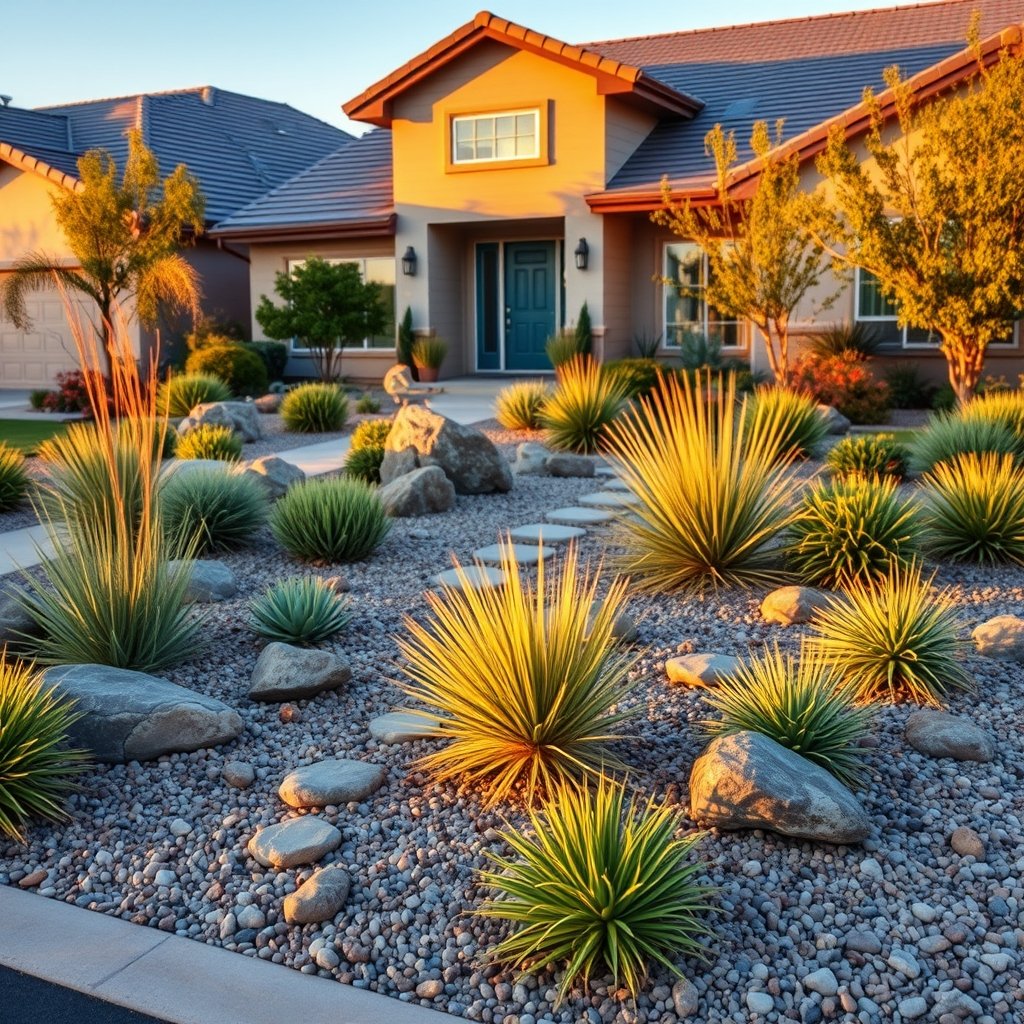
Lawns guzzle roughly 50% of household water use in states like California, Arizona, and Texas. When you swap turf for xeriscaping, you typically see an immediate reduction of up to 55%, sometimes more. According to the Novato, CA water district, households with xeriscaping saved about 120 gallons per day. Studies confirm the range is consistently 50 to 75% water saved compared to conventional lawns. Maintenance costs also plunge about 40% thanks to less mowing, fertilizing, and irrigation system use. That means fewer weekends lost to yard chores and a smaller bill from your landscaper.
What homeowners actually save — water, time and money (real examples)
A water-wise front yard is more than just shutting off your sprinkler. The biggest savings come from combining drought-tolerant plant choices, an efficient drip system, and proper soil prep. Here’s how the numbers shake out:
- Water bills: Save 50–75% per month—hundreds or thousands per year in dry regions.
- Yard work time: 30–50% less time spent mowing, weeding, or fussing with broken sprinkler heads.
- Fertilizer/pesticide costs: Drop sharply because native plants need little supplemental feeding or chemical protection (GreenBuilder Media).
- Rebates: Many utilities pay $1 to $3 per square foot to remove turf or upgrade irrigation. Novato, CA and cities throughout Colorado, Nevada, and New Mexico all offer water-smart landscaping rebates.
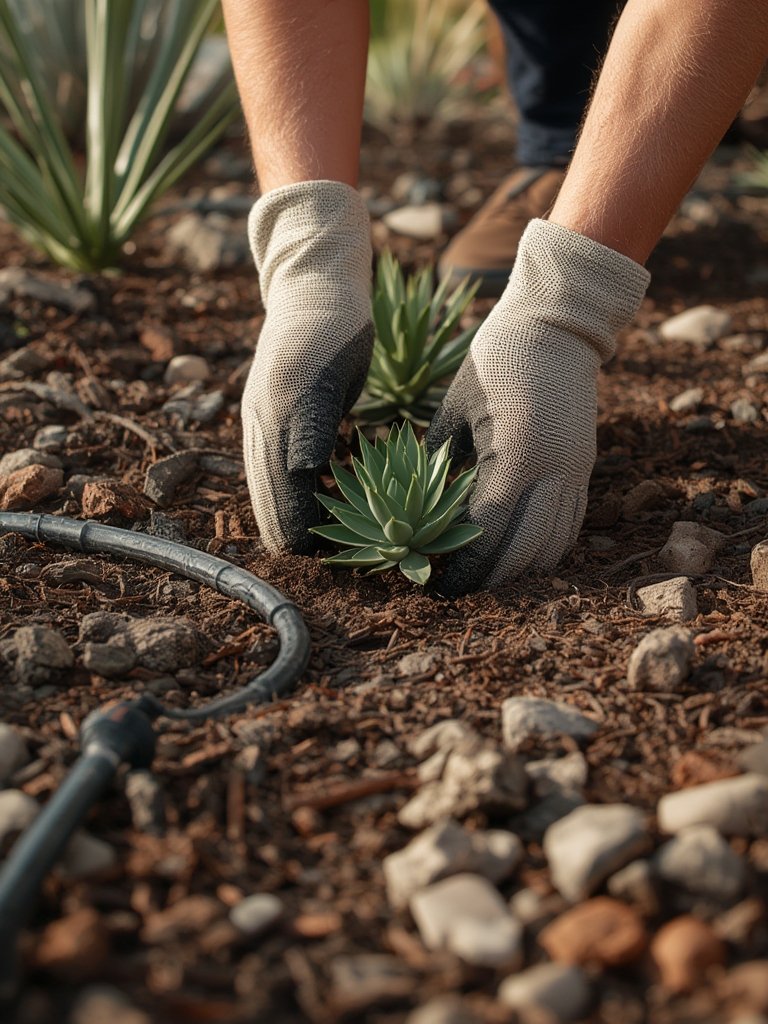
Case in point: After switching to xeriscaping ideas front yard that used native sages, golden barrel cactus, and groundcover manzanita, one Arizona homeowner reported a $95 monthly reduction in summer water bills, and “cut my weekend yard time in half—almost zero mowing now.”
Learn more about how rebates stack up in your area on LawnLove’s xeriscaping cost guide.
Common frustrations & regrets after switching from a lawn
Lots of homeowners expect an instant postcard-worthy upgrade, but user forums and reviews show a different story at first. Here’s what comes up most:
- Learning curve: It’s common to overwater new xeriscaping, especially if you think “dry” plants look unhealthy (High Plains Gardening). Many plants, ironically, die from too much water their first year.
- Aesthetic letdowns: Xeriscaping can look sparse or “too gray” without careful plant grouping, boulders, and seasonal interest. This is a common regret—especially in neighborhoods with lush front yards.
- Up-front costs: Native plants (and the labor to remove grass) cost more than simple lawn sod at first—sometimes double, even with rebates.
- Irrigation failures: Drip systems clog, leak, or suffer pressure issues if not properly maintained. Forum complaints about failed drip zones are routine in the first two years.
- Weed/invasives: Bare spaces let weeds and, sometimes, invasive ornamentals take over, especially if you skip mulch or choose inappropriate groundcovers.
- Pruning needs: Drought-tolerant shrubs grow fast when overwatered and may need more trimming than you’d expect.
Insights from the GreenPal homeowner surveys reinforce these pain points. The learning curve and aesthetics—not just initial labor—cause the most post-project regret.
Underrepresented essential #1 — irrigation: design, controllers, and failure modes
Most xeriscaping ideas front yard guides gloss over this—but irrigation is the #1 differentiator for success and savings. A typical mistake is running last year’s lawn sprinklers with new, lower-water plants. You need:
- Drip system layout: Run parallel lines by plant type, use pressure-compensating emitters, and design for 2–3 zones (shade, sun, and specialty plants).
- Smart controllers: Modern controllers auto-adjust to weather, detect leaks, and offer app control—many eligible for utility rebate worth $25–$150.
- Seasonal tuning: Less is more; drop irrigation frequency during rainy months and as plants mature.
- Failure troubleshooting: Watch for clogged filters, cut lines (frequent with pets or digging), and “dry spots” indicating under-performance.
Fact: Most maintenance headaches result from DIY irrigation install errors and skipping zone mapping—implementing all 7 xeriscape principles (with smart irrigation) yields the biggest savings (YARDX project).
See the latest irrigation rebates for your region at your city water provider or search for “smart controller rebate [your city/state].”
Underrepresented essential #2 — plant selection by specific climate & curb-appeal strategies
The right plant palette makes or breaks the look and performance of your front yard. Picking a “drought plant” isn’t enough—what thrives in cool, high desert (Colorado) fails in the Sonoran Desert.
| Climate Zone | Best Plants | Curb-Appeal Strategies |
|---|---|---|
| Cool Season West (CO, NM) | Rocky Mountain penstemon, Blue grama, Creeping mahonia | Mix grasses with spring/summer bloomers, use stone edging |
| Hot Desert (AZ, NV, SoCal) | Red yucca, Golden barrel cactus, Desert spoon, Palo Verde | Layer height and texture, use bold perennials for color |
| Transition Zones (TX, NorCal) | Lantana, California lilac, Artemisia, Manzanita | Mix evergreen and seasonal, highlight with gravel/flagstone |
Use resources like the CSU Xeriscaping Beginner’s Guide to match your plants to your neighborhood for longest bloom, wildlife benefit, and best year-round curb appeal.
- Tip: Avoid using gravel or mulch as the primary “feature.” Plant in masses, and combine colors for depth—xeriscaping is not rock-and-cactus monotony.
Underrepresented essential #3 — long-term soil health, mulching and moisture retention
Soil is your hidden water-saving weapon. Good soil structure with organic matter boosts water retention, plant resilience, and lowers maintenance. Here’s how to get it right:
- Soil test: Get a basic lab test or DIY kit pre-install. Amending sandy or clay-heavy soils is worth the up-front cost.
- Mulching: Two to three inches of bark, wood chip, or composted mulch around all plantings slashes weeds and keeps roots cool. Replenish yearly for best results.
- Amendments: Use compost or aged manure (not just sand or gravel) to retain moisture and build structure.
- Moisture checks: Monitor by hand or install a cheap soil sensor—irrigate only when needed.
As cited in LawnStarter’s 2026 maintenance guide, yards with proper soil and mulch need less water—and suffer less from weeds and bare spots, keeping costs down for years.
Cost comparison: DIY phased conversions vs. professional installation (2024 context)
Front-yard xeriscaping costs vary widely—from $1,000 for a weekend DIYer removing 400 square feet of turf, to $15,000+ for a pro install with boulders, lighting, and full irrigation upgrades.
| Item | DIY Range | Pro Range |
|---|---|---|
| Grass removal/disposal | $0–$600 | $600–$1,500 |
| Plants & soil amendments | $250–$1,500 | $1,000–$4,000 |
| Irrigation system upgrade | $200–$1,200 | $1,200–$4,000 |
| Hardscaping (optional) | $250–$2,000 | $1,000–$5,000 |
| Labor (if hired out) | N/A | $50–$100/hour (source) |
| Ongoing maintenance | $250/year | $600/year |
| Rebate/incentive estimate | $500–$3,000 available, varies by region and project | |
DIY is doable with moderate skills and patience, especially if you break the project into 2–3 phases. Pros are best if you want quick completion, custom features, or full compliance with HOA/municipal rules. Explore homeowners’ firsthand experiences in our ADU Garage Conversion cost guide for a sense of labor and rebate stacking.
Homeowner Quote: “We spent about $9,800 total, but after stacking the rebate, final cash outlay was under $7,000. Yard work cut in half, water bill down a third in year one.”
Recent innovations (2022–2024) that materially improve outcomes
Technology has raised the bar for new xeriscaping ideas front yard projects. In 2024, top improvements include:
- Smart irrigation controllers: Now standard, many models offer app-based scheduling, leak alerts, and weather-adaptive watering. Utilities tie rebates to these for maximum water savings.
- Improved drip emitters: Self-flushing and pressure regulating, these new lines are more reliable—reducing clog/failure rates dramatically.
- Climate-specific plant plugs: Modern plug-style planting speeds up establishment and slashes weed intrusion.
- Advanced moisture-retaining products: Compost-infused mulches and water-holding soil amendments decrease how often roots need irrigation.
All these help you hit that coveted 50–75% water reduction, while mitigating the classic failure points above.
Want more practical innovation for your home? Check out the Best Ways to Maximize Savings With a Heat Pump Water Heater.
HOA and local regulatory considerations — where approvals stall and how to avoid rejection
HOA boards and city permitting offices can pose real hurdles. Typical sticking points:
- Curb appeal: Many HOAs worry xeriscaping “looks unfinished” or lowers property values. Push back with local agency guidance and before-after photos of successful yards.
- Uniformity and plant lists: Some associations require approved plant species or a certain percentage of green coverage. Confirm required lists before purchase.
- Paperwork: You’ll need detailed plans, irrigation diagrams, and rebate applications—sometimes a landscape architect’s stamp.
Aesthetic objections are the most common reason for rejections or demands to replant. Use sample appeal language, approved local plant lists, and rebate offers as leverage—many cities have HOA-ready templates. For a detailed permitting experience, see our ADU permit conversion guide.
Before submitting, assemble: site plan with plant/species list, irrigation map, before-and-after yard photos, HOA application form, and a completed water agency rebate pre-approval.
Environmental co-benefits: pollution, pollinators and neighborhood impacts
Fully developed xeriscapes deliver more than just savings.
- Less pollution: Native plantings cut fertilizer and pesticide runoff—a win for local water quality.
- Wildlife & pollinators: Flowers like yarrow, penstemon, and lantana support native bees and butterflies, unlike sterile turf.
- Urban heat: Clustering broadleaf drought-tolerant trees and groundcovers can reduce heat buildup versus solid hardscape or gravel.
Neighbor stories often report better butterfly and bee traffic—watch curb appeal rise as word spreads.
Interested in going further? See our Pollinator Garden Quick-Start Guide for compatible plant options.
Practical 6-phase front-yard plan (phased DIY or hire plan)
Whether you’re aiming for gradual DIY or hiring pros, this phased plan cuts overwhelm:
- Audit & soil test: Photograph your yard, measure square footage, and test multiple soil spots. Note sunlight patterns.
- Design & HOA check: Draw a simple sketch (or use a landscape design tool). Review HOA and rebate program guidelines before buying materials.
- Irrigation upgrade: Remove old spray heads, lay drip tape or emitter lines, pressure test, and connect to a smart controller.
- Plant install & mulch: Group by water need and sun, then add the thickest mulch layer allowed. Water deeply to settle roots.
- Tune & train irrigation: Run the system only as often as needed. Use a soil probe to check moisture during first two months.
- Maintenance plan: Pull weeds and spot check irrigation monthly. Prune or replant in year two for maximum visual pop.
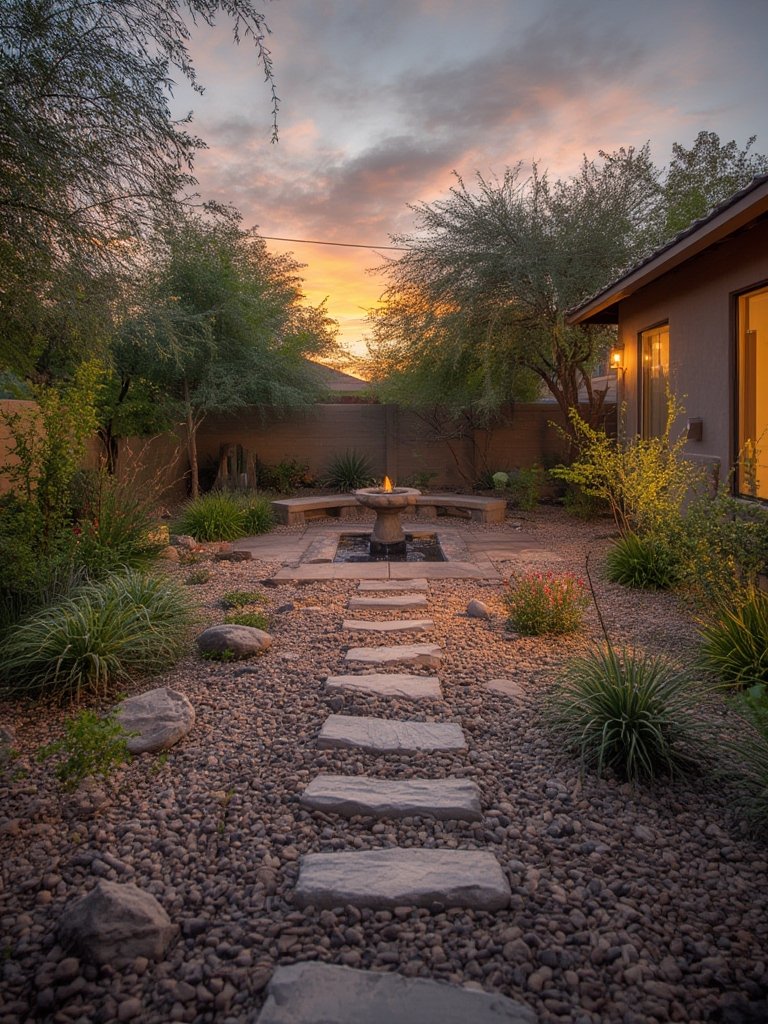
Budget tip: Phase 1–3 typically costs <$2,000 DIY, $4,000–$7,500 pro. Split work across seasons—learn and adjust as you go. To avoid the most common beginner mistakes (overwatering, bad plant spacing), stage new sections, observe, then expand.
Save or print our HOA-ready checklist: Get a free HOA-ready xeriscape plan.
Not sure which route is right? Use our cost estimator: Estimate my yard — DIY or pro?
Quick FAQ + decision checklist
How long until I see real water savings?
Water bills drop 25–50% in most areas within the first season if you fully replace lawn and install drip irrigation. Maximum savings show up after plants are established (year 2–3).
Should I DIY or hire a pro?
If your yard is small and you’re comfortable digging, planning, and learning new irrigation skills, phased DIY saves. For larger yards, complex grading, or HOA-heavy neighborhoods, hiring a pro is faster and more likely to pass first inspections.
What are red flags in contractor bids?
Bids that skip soil testing, plant warranty, or irrigation details. Avoid contractors who insist on rocks/gravel as the main element, or who can’t explain their plant climate matching.
What do I need for HOA/permit approval?
1: Site sketch, 2: Plant list with Latin/botanical names, 3: Irrigation plan, 4: Before-and-after yard photos, 5: Local agency pre-approval or rebate form.
Where else can xeriscaping ideas front yard boost curb appeal?
Add high-impact planting in borders or parkway strips first to preview results, blending natives for the biggest color/texture pop. Explore inspiration in our Pollinator Garden Quick-Start Guide and Fluted Wall Panels Interior Design Guide for more home exterior tips.