

Clover lawn is rapidly gaining traction as a budget-conscious, eco-friendly alternative to traditional grass yards for suburban homeowners. Is this trend the right fit for your family—or could it create more headaches than it solves? This practical guide covers what thousands of homeowners have actually experienced, including evidence-based tradeoffs, best practices, and actionable tips for making a clover lawn thrive in the real world.
Key Takeaways
- Clover lawns can cut irrigation by 50–75 percent and reduce chemical needs, but are less tolerant to rough play and heavy use than turfgrass.
- Most complaints stem from mowing too low, over-watering, or uncontrolled spread into beds and neighbor’s yards—manageable with the right tactics.
- Research on true costs and best local varieties is still evolving—always check local regulations and get real quotes before you make the switch.
- What Is a Clover Lawn and Why Homeowners Are Switching
- Actionable Steps: How to Install and Maintain a Clover Lawn
- Real-World Issues & Troubleshooting: Pitfalls to Avoid
- Conclusion: Should You Make the Switch?
- FAQ: Clover Lawn Basics for Homeowners
What Is a Clover Lawn and Why Homeowners Are Switching
Homeowners across the U.S. are reimagining their lawns. About 2 percent have converted to a pure white clover or micro clover blends in the past five years. This number is projected to rise to 5 percent by the end of 2026, largely driven by water-conservation incentives, lower maintenance demands, and growing interest in supporting pollinators (source).
In practical terms, 2 percent adoption means you might spot one or two clover lawns in every large neighborhood, while hitting 5 percent signals a real trend with visible early adopters on almost every block. The biggest motivators? Skyrocketing water bills, rising chemical costs, and families seeking a more eco-friendly yard for their kids and pets. Most homeowners explore a mix—pairing micro clover with existing grass for resilience, or going all-in on a white clover lawn alternative.
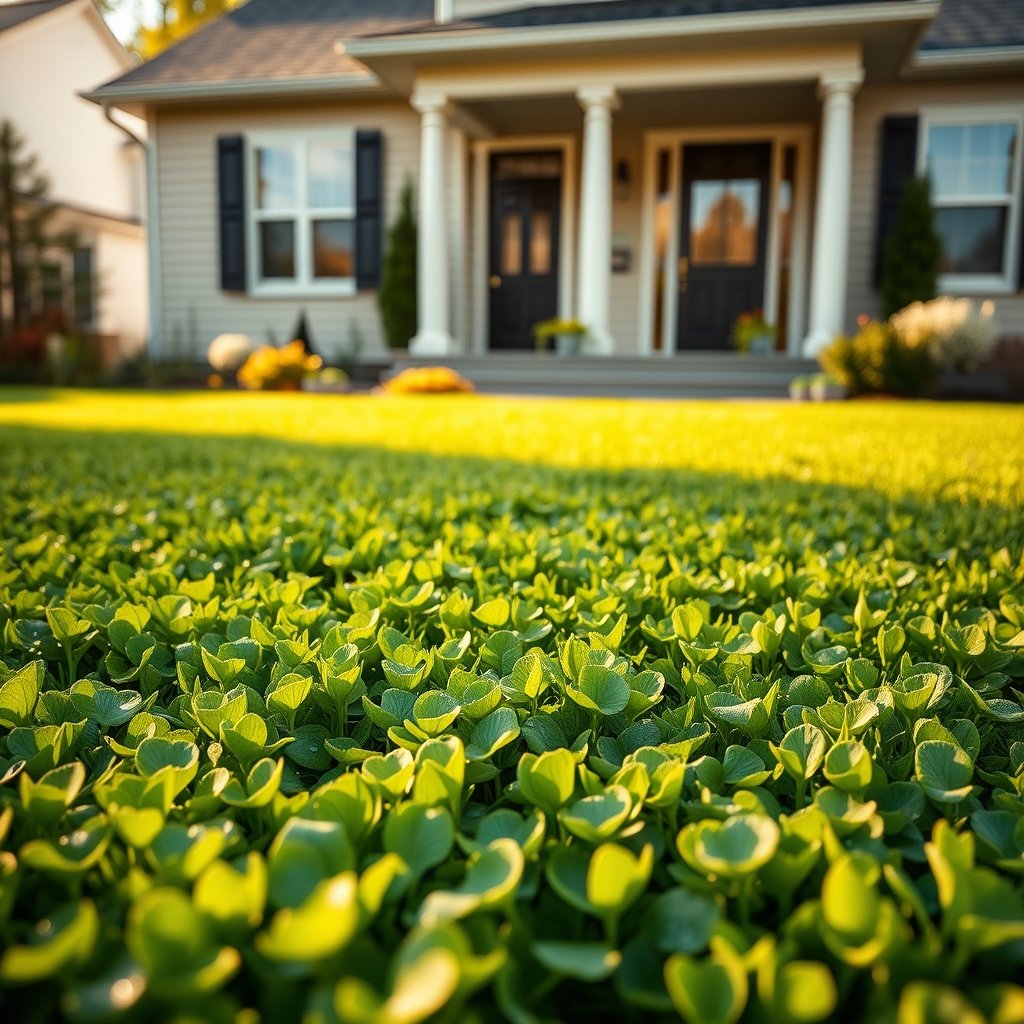
For anyone frustrated by brown summer turf or endless fertilizer inputs, a clover lawn offers green coverage through moderate drought, active nitrogen-fixing to enrich your soil, and far less mowing and watering than traditional grass (source).
Actionable Steps: How to Install and Maintain a Clover Lawn
Ready to start? Success with a clover lawn hinges on preparation, timing, and understanding maintenance tradeoffs. Here’s a realistic path to follow, whether you want to overseed existing turf or create a full white clover lawn alternative.
- Site Prep: Mow existing grass high (3-4 inches). Remove weeds and dethatch if thatch is thick. Rake to expose soil.
- Seed Selection: Choose white clover (Trifolium repens) for full alternatives or micro clover blends for mixing with grass. Confirm the seed is untreated and labeled for lawns. Supplier example.
- Seed Rate: Apply 1–2 oz per 1,000 sq. ft. for overseeding. For dense clover: 3–4 oz per 1,000 sq. ft.
- Sowing: Broadcast seed evenly using a spreader or by hand. Lightly rake to incorporate. Gently tamp seeds for soil contact (do not bury deeply).
- Watering for Establishment: Water twice daily for two weeks, just to keep the soil moist—do not flood. Avoid puddling. Reduce to a few times a week after sprouting.
- First Mow: Hold off until clover is 3 inches tall (least 4 weeks after sprouting). Set mower high (3-4 inches).
- Ongoing Maintenance: Expect to mow just 3–4 times a season (research findings). Limit irrigation to occasional deep watering in extreme drought—established clover needs drastically less than turf.

For high-traffic play zones, install stepping stones or designate “paths” and spaces with denser grass or artificial turf to limit wear. Border edges with a mow strip or garden edging to prevent aggressive spread into beds and neighbors’ lots.
Annual or biennial overseeding will keep patchy areas dense—especially after hard frosts, drought, or kid/pet activity.
If you want the yard to do even more for you, consider pairing your clover lawn with a pollinator garden or exploring xeriscaping ideas for low-water zones.
Real-World Issues & Troubleshooting: Pitfalls to Avoid
Switching to a clover lawn is not a magic solution. Research and user reports show a few persistent complaints—and simple ways to address each.
| Issue | Frequency | What Triggers It | How to Fix |
|---|---|---|---|
| Thinning or brown patches under heavy traffic | Very Common | Kid/pet play, footpaths, driveway edges | Mix with grass seed; use stepping stones; overseed annually |
| Unwanted spread into beds/neighbor’s yard | Common | No edging or barriers | Install physical border or mow strip; spot treat perimeter with vinegar or landscape fabric |
| Mowing too low, overwatering, or over-fertilizing | Very Common (esp. new adopters) | Mower set below 3 inches; treating clover like grass | Raise mower deck; water deeply but less often; skip fertilizer except after extreme stress |
| Fungal problems (spring or humid stretches) | Occasional in humid/muggy regions | Poor drainage, excess watering, low mowing | Spot treat with organic fungicide (like neem oil); improve drainage; rake thatch; reduce irrigation during rainy spells |

Real homeowners reinforce these themes:
- “Love the look, but the kids wore paths in days. Had to overseed twice in the first year.” (Reddit)
- “We thought we were just changing our lawn, but we actually changed our entire relationship with our yard.” (Allen Outdoor)
- “It keeps sneaking into my flower beds. I wish we’d installed a border first.” (Paraphrased, Facebook Group)
Environmental & Cost Benefits Versus Turf
EPA WaterSense and multiple independent studies confirm: alternative lawns like micro clover often cut irrigation by 50–75 percent after establishment, need no regular fertilizer, and support pollinators (Yahoo Gardening). Fewer mowing passes (just 3–4 per year) means lower emissions too. However, robust national cost figures for installation and maintenance are still lacking. You’ll need to request quotes from local seed suppliers and landscaping services for true ballpark numbers (see below).
- Asked three local landscapers for clover seed installation and mixed overseeding prices
- Cross-checked pricing on regional seed supplier websites
- Contacted the city’s water conservation office for rebate and incentive opportunities
Tip: Always compare at least two local sources before making a decision, since prices can swing widely between regions.
Year-Round Maintenance: What to Expect
- Spring: Overseed any thin spots after last frost, reduce watering as plants establish, mow in late spring if first bloom appears.
- Summer: Water only if extremely dry; clover typically stays green where grass browns. Spot check for fungal issues if the season is wet or humid.
- Fall: Overseed as needed, perform a light mow to remove spent blooms. Remove leaves lightly to avoid smothering.
- Winter: Clover turns dull or brown but rebounds in spring without additional intervention.
Local Rules and Incentives
Water-conservation rebates and xeriscaping programs are making clover lawns easier to justify, but local regulations or HOA rules may restrict their use. Review city codes, HOA handbooks, and ask your local utility’s conservation office about rebates before starting your project. See our xeriscaping guide for in-depth tips on navigating local policy and maximizing incentives.
Three FAQs Most Homeowners Miss
- Cost breakdowns and ROI: Build a simple spreadsheet to track initial costs and yearly savings. Plug in your local water, fertilizer, and mow frequency data (see incentive details).
- High-traffic durability: Blend micro clover with durable turf types and use heavy-duty path solutions where needed. Always overseed thin spots every spring or fall.
- Long-term carbon/climate benefits: Count years of lower mowing emissions, plus nitrogen-fixing to enrich your soil’s organic matter content. These pay off in five to ten years of use—see our soil health guide for the science.
Conclusion: Should You Make the Switch?
A clover lawn isn’t effortless—but for many suburban homeowners, it unlocks meaningful savings on water and chemicals while reducing environmental impacts. Be realistic: success depends on disciplined upkeep (especially edges and traffic areas) and understanding your local microclimate and regulations. If you want a lower-maintenance yard that helps the planet and your budget—and you can tolerate some patchiness in rough use zones—a clover lawn is well worth considering.
Ready to explore further? Download a local cost worksheet, check your municipal code, and talk to neighbors who’ve already made the switch. And if you want to dig even deeper, our guides to pollinator gardens, xeriscaping, and smart irrigation systems offer actionable, next-level strategies.
FAQ: Clover Lawn Basics for Homeowners
Does a clover lawn support children and pets playing outside?
A mixed clover lawn with durable turf species holds up better to heavy traffic than pure clover lawns. For persistent wear areas, use stepping stones or reinforce with tough grass species like tall fescue.
Will I need to use fertilizer or pesticides on a clover lawn?
Typically, no. Clover fixes nitrogen from the air, reducing or eliminating the need for fertilizer. Avoid broadleaf herbicides, as these can damage clover patches.
How often do I have to mow a clover lawn?
Most homeowners report mowing only three to four times per season. Always keep mower height at 3–4 inches to avoid stressing the plants.
Are there any rules against clover lawns?
Some HOAs or cities do restrict non-traditional lawns or specific heights. Always check your HOA guidelines and municipal codes before changing your yard.
What if my neighbors complain about clover spreading?
Border your property with mow strips, edging, or shallow trenches to control spread. Open communication and neat edges go a long way toward keeping neighbors happy.