

No till gardening is gaining traction among home and small-scale vegetable gardeners—but does the “no dig” approach actually pay off for your soil, yield, and workload? This practical guide uses research and real-world evidence to break down the facts, costs, and step-by-step transition plan so you can confidently decide if, when, and how to move away from annual tilling in your vegetable beds.
Key Takeaways
- The transition to no till gardening or the no dig garden method improves long-term soil structure and health, but often requires patience (3 to 4 years) for yields to fully catch up.
- Upfront and ongoing inputs—including compost, mulch, and labor—are significant but predictable; careful planning and crop selection reduce frustration and failed crops.
- Know your local context: benefits are greatest when soils drain well, climate is moderate, and mulches or cover crops are maintained; challenging for heavy clay, cold springs, or root crops.
- No-till vs No-dig — what’s the difference and why it matters
- Step-by-step transition plan and timeline
- Advanced analysis and common pitfalls
- Conclusion
- FAQ
No-till vs No-dig — what’s the difference and why it matters
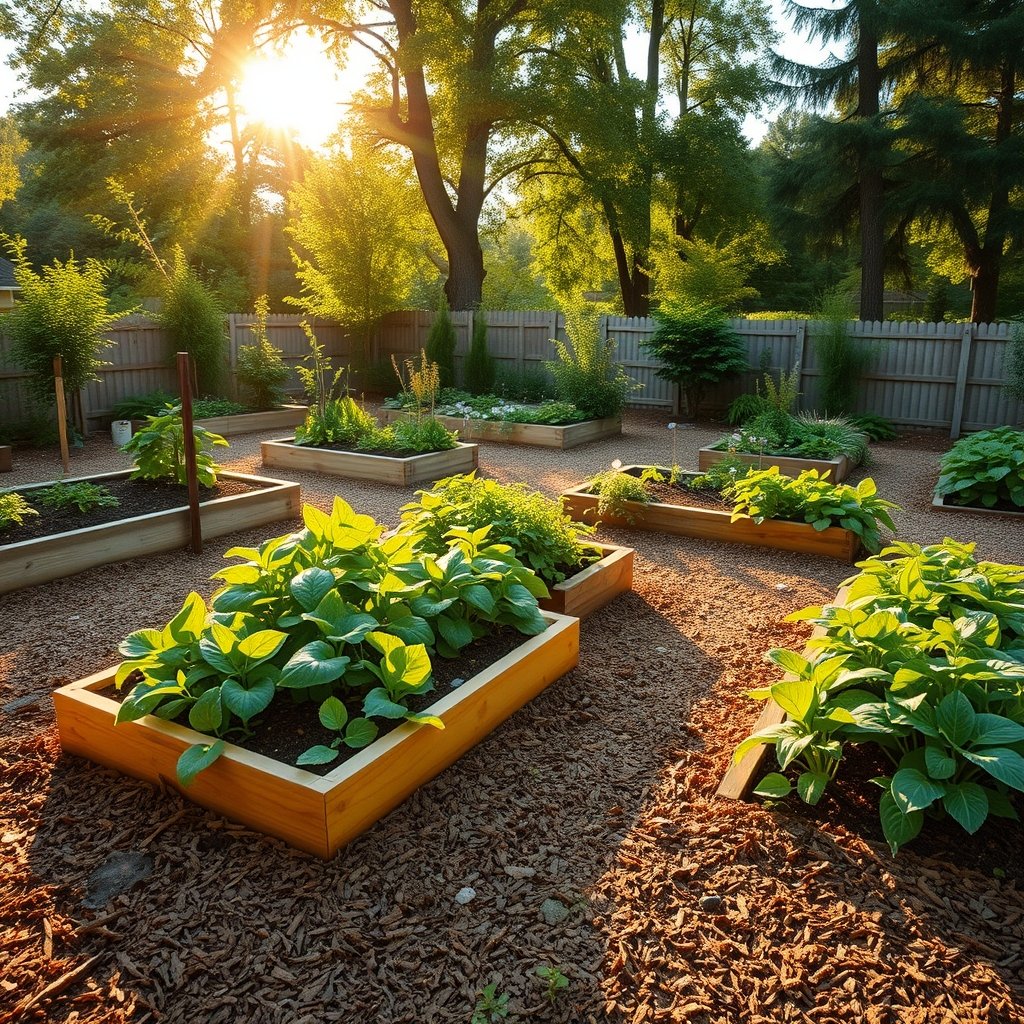
Both no till gardening and the no dig garden method aim to reduce or eliminate soil disturbance, but the approaches aren’t identical. No till gardening typically means using permanent beds where the soil is not mechanically turned or flipped. Instead, organic matter like compost, mulch, and cover crops are layered on top, with planting done using hand tools or by poking holes through the organic mulch.
The no dig garden method, as popularized by Charles Dowding, involves never turning the soil at all. Instead, you maintain thick layers of compost or well-rotted manure on non-compacted raised beds, letting earthworms and microbes do the mixing and aerating. No dig avoids “cutting in” amendments even with hand tools.
What’s the practical difference? Most no till systems allow for some initial soil loosening during setup, and often rely heavily on cover crops for biomass input, while strict no dig uses just added compost and mulch. Both methods rely on maintaining a permanent bed system, leaving crop roots in the ground after harvest, and often require a transition period with heavier weed pressure.
How reliable is the evidence? Most no till gardening research comes from large-scale agriculture, but key findings are applicable:
- Charles Dowding’s ongoing no dig trial (Somerset, UK) found a 6.4% higher yield over conventionally dug beds in 13 years (not peer-reviewed;source), but little formal research exists for home-scale no dig.
- Global meta-analyses of no till systems confirm soil structure benefits and mixed yield impacts (source).
Step-by-step transition plan and timeline
Transitioning to no till gardening or the no dig garden method means rethinking your workflow for years one through four. Here’s a proven stepwise approach based on research and practitioner results:
- Initial bed preparation:
- Mow or cut existing vegetation as low as possible (don’t till or dig).
- If soil is compacted, use a broadfork ONCE, but avoid overturning.
- Apply 2 to 3 inches of high-quality compost or aged manure directly onto the soil surface (about 0.5–0.8 cubic yards per 100 square feet).
- Top with 2 to 4 inches of shredded leaves, straw, or grass clippings as mulch.
- Planting and first season management:
- Direct seed or transplant into the compost layer, pushing aside mulch where needed.
- Water rarely runs off these beds—monitor moisture and water deeply at root zone.
- Hand-weed early and often—expect a higher than normal weed flush the first 1-2 years.
- Annual maintenance (years 2–4):
- Each fall or very early spring, add 1 inch of compost (~0.3 cubic yards per 100 square feet), and top up mulch.
- Use cover crops (clover, rye, oats, vetch) for winter protection and organic matter.
- Terminate cover crops with a sharp hoe or by laying down cardboard, then cover with compost/mulch (don’t till).
- Monitor and adapt:
- Track weed species, soil structure, and crop performance each season.
- Adjust mulch thickness/compost input based on observed decay or compaction.

Sample Input & Cost Table
| Material/Input | Initial (per 100 sq ft) | Annual (per 100 sq ft) | Unit/Format | Urban Sample Price | Suburban Sample Price | Rural Sample Price | Notes/Assumptions |
|---|---|---|---|---|---|---|---|
| Compost (bulk) | 0.8 cu yd (~22 bags) | 0.3 cu yd (~8 bags) | bag (1 cu ft) / cu yd | $110/cu yd $6/bag | $70/cu yd $4/bag | $55/cu yd $3.75/bag | High-quality stable compost |
| Mulch (leaves, straw) | 0.8 cu yd (~22 bags) | ~0.4 cu yd | bag / bale / cu yd | $60/cu yd $8/bale | $35/cu yd $5/bale | $20/cu yd $3/bale | Use local sources if possible |
| Cover crop seed | 3–5 lbs | 2–3 lbs | per lb | $6/lb | $4/lb | $3/lb | Basic clover/oats mixes |
| Labor (DIY) | 4–7 hours | 2–3 hours | per 100 sq ft | DIY (N/A) If hiring, $15-$25/hr varies | Physical effort, mostly up front | ||
Assumptions: Bagged materials cost more, especially in urban areas; DIY labor. Sourcing local leaves/mulch can lower costs. Prices sampled spring 2024 in three US regions.
Transition Timeline (What to Expect)
- First year: Highest weed pressure, some yield reduction (up to 7% for certain crops).
- Years 2–4: Soil structure and microbial activity improve. Yields rebound for most crops. Cover crops help greatly.
- Year 4+: Stable, aggregated soils, lower weed load, and yields meet or exceed conventional tillage (especially on coarse, well-draining soil).
Beds on heavy clay or in cold spring climates will experience slower benefits. If your site is steep, sandy, or prone to water runoff, benefits like erosion reduction and water retention are higher and seen sooner.
Advanced analysis and common pitfalls
Research and community experience reveal several common mistakes and realities when switching to no till gardening:
- Compost/mulch supply bottleneck: Most failures come from underestimating initial and annual material needs. Low inputs mean high weeds.
- Crop establishment issues: Crops needing fine seed beds (carrots, some tubers) often struggle unless you oversupply compost and use a tamped, level surface.
- Slower spring warming: Heavier mulch means slower soil warming in spring—problematic in cool climates. Remove mulch temporarily to boost temp.
- Compaction problems: Older, heavily mulched beds can develop surface compaction. Remedy: periodical aeration via broadfork (without flipping).
- Learning curve for cover crop termination: If mulches/cover crops aren’t killed or suppressed at the right time, you face competition or difficult planting windows.
- Pest/slug surges: Early years may attract more slugs and certain soil-borne pest outbreaks, especially with thick undisturbed mulch.
| Case Example | Outcome | Key Takeaway | Source |
|---|---|---|---|
| Charles Dowding’s No Dig Beds (Somerset, UK) | 13 years, 6.4% higher yields, improved soil. Early years required diligence on mulching and compost use. | Persistence pays; steady yield gains after year 3. | Permaculture Association |
| MSU 30-year No Till Trials (Michigan, US) | First 3–5 years lower corn/soybean yields; after year 10, no till plots outperformed by 12–15% on coarse soils. | Soil and climate matter; long-term trend positive. | MSU Extension |
| Home Grower, Heavy Clay Bed (US Midwest, forums) | Mulched bed compacted, waterlogged, failed carrots and potatoes. Switched back to annual fork turning + partial mulch. | No till failed due to poor adaptation for clay/heavy mulch; partial digging needed in sticky or poorly draining soil. | LeadFarmer73s Growers Group |
- Underestimating labor to source and spread mulch, especially without bulk delivery.
- Difficulty sowing or transplanting small-seeded crops directly into chunky, rough compost or mulch layers.
- Over-reliance on anecdotal results—always trial on a small section if you have doubts.
Conclusion
Switching to no till gardening or the no dig garden method means up-front investment of time, compost, and effort, with payback seen after one to four seasons. Yields may lag at first, but research and trials show improvements in soil structure, water retention, and organic matter—especially in well-draining, erosion-prone sites. Ready to start small? Begin with a single bed, experiment, and scale up as you gain confidence. Your journey to no till gardening success could change how you garden for good.
Looking for a sustainable, lower-labor home garden upgrade? Bookmark this guide, check our pollinator garden and xeriscaping guides for more resilient, soil-friendly approaches.
Take action: Try a 100 square foot no till trial this season—and let your own data be the final judge.
FAQ
How much compost and mulch does a 100 square foot bed need for no till gardening?
Plan for 0.8 cubic yards of compost and 0.8 cubic yards of mulch in the initial season. Annual maintenance is typically 0.3 cubic yards of compost and 0.4 cubic yards of mulch. That’s about 22 standard 1-cubic-foot bags each for setup, and 8–10 bags for annual top-ups.
Which crops are most challenging in no dig garden method beds?
Root crops like carrots, parsnips, and potatoes are hardest due to the need for a fine, non-compacted seedbed. Thick-mulch beds can be difficult for seeding fine crops unless surface is leveled and mulch removed temporarily.
How soon will I see yield improvements?
Most gardens see yields catch up to or surpass conventional tillage in 3 to 4 years, though some crops (corn, soybeans) respond better and sooner than others. Expect initial yield lag, especially in heavy soils and cool springs.
Is no till gardening suitable for clay or poorly drained soils?
Results are mixed. Both research and home growers report problems with compaction and waterlogging in heavy clay if organic matter is not built up slowly. Trial on a small section and adapt (possibly combine light forking with mulch).
How can I lower the cost of no till gardening inputs?
Sourcing local leaves, grass clippings, or even city green waste can cut mulch costs by 50% or more compared to bagged compost. Grow cover crops in place to bulk up organic matter and reduce store-bought input needs.