

Native plants landscaping isn’t just about pretty gardens—it’s a practical investment that can cut costs, conserve water, and boost your home’s ecological value. If you’re tired of endless mowing, rising utility bills, and sterile curb appeal, switching part (or all) of your yard to native plantings delivers measurable environmental and economic returns—making it a smart move for both your wallet and your values.
Key Takeaways
- Converting lawn to native plants landscaping can cut irrigation costs by 30–70% and slash maintenance bills by up to 90% (CSU Sourcebook).
- Pollinator visits increase two–threefold, and most homeowners recoup upfront costs within 3–5 years through savings (BRIT/Texas Study).
- Expect initial hurdles like early-stage weeds, HOA rules, and design concerns—but these are solvable with planning and neighbor dialogue.
- What is “native plants landscaping”—and why it matters for homeowners
- Step-by-step guide: How to convert your yard
- Advanced analysis & common pitfalls
- Conclusion
- FAQ
What is “native plants landscaping”—and why it matters for homeowners
Native plants landscaping swaps traditional turf grass and exotic ornamentals for regionally adapted perennials, grasses, and shrubs that evolved locally. Unlike the thirsty, high-maintenance “green carpet” look found in most suburban neighborhoods, native plant gardens are designed around resilient species that thrive with less fertilizer, less water, and less fuss. For the suburban homeowner, this means:
- Lower ongoing maintenance—Fewer hours spent mowing, fertilizing, or hauling out the sprinkler.
- Immediate water savings—Native plantings can cut irrigation by 30–70% (ACCDPA).
- Biodiversity boost—Support for birds, bees, and butterflies that struggle to survive in monoculture lawns.
- Better stormwater management—Deeper roots soak up rain, reducing runoff and erosion.
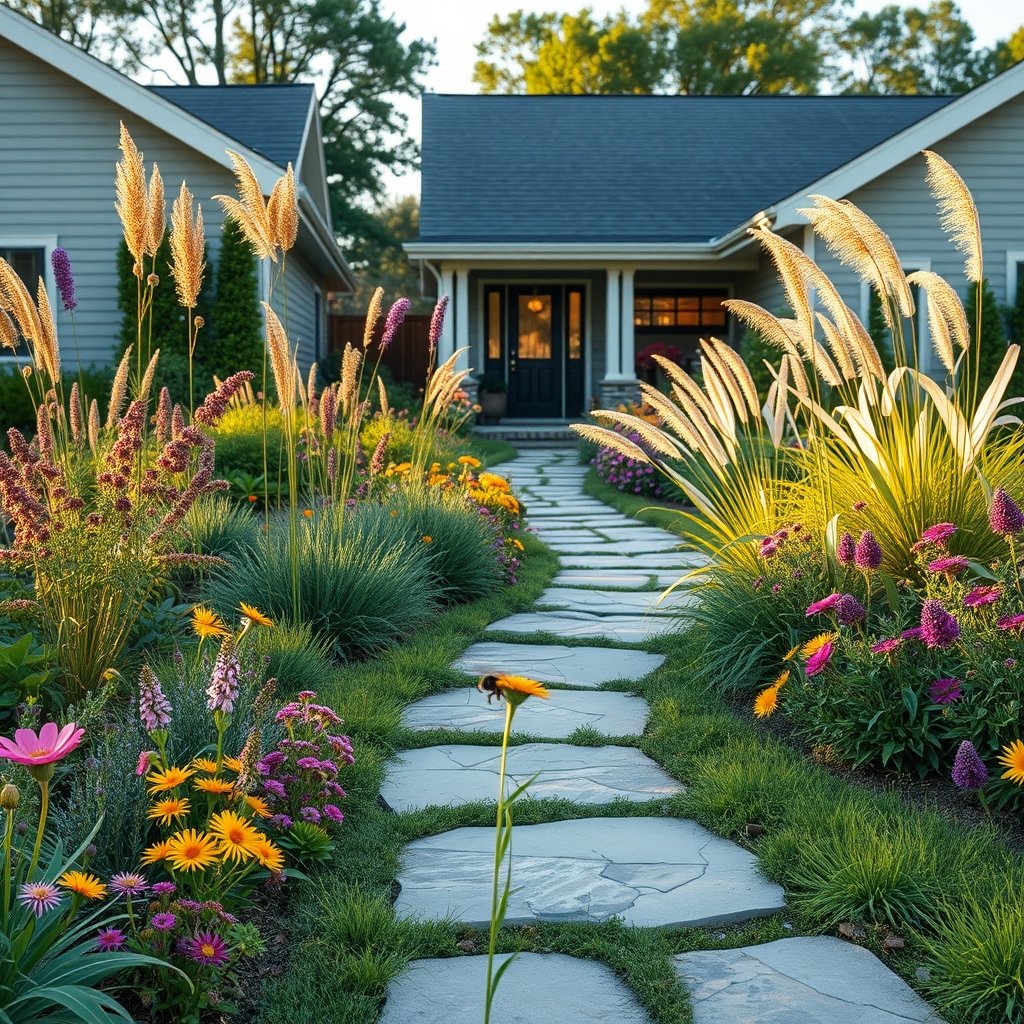
Research by CSU and MWMO consistently shows that native plant conversions can eliminate up to 90% of routine landscape maintenance costs and slash chemical and water input by half or more. That means if you’re spending $1,000 each year on lawn services, fertilizer, and irrigation, you could soon be down to $100–$200 annual outlay for a lower stress, higher-impact landscape that grows in value over time.
Step-by-step guide: How to convert your yard
Ready to start with native plants landscaping? Here’s a practical approach for suburban properties of 0.2–0.5 acre, focusing on the stages, investment, and quick wins Sarah and families like hers crave.
- Assess your yard and HOA rules
Walk your property, noting areas where turf struggles or water pools.
Check your HOA’s landscaping bylaws: Most prohibit “neglected” or weedy appearances, but many support organized native beds with proper edging and signage.
Rutgers Extension provides tips for homeowner/HOA conversations. - Choose the right native species for your region
Use the Audubon Native Plant Finder for a curated list, and cross-check with your local Extension office. Focus on 3–6 keystone pollinator plants per region, like:- Northeast: Eastern columbine, blue wild indigo, butterfly weed
- Southeast: Black-eyed Susan, scarlet sage, golden aster
- Midwest: Purple coneflower, little bluestem, prairie dropseed
- Great Plains: Switchgrass, Maximilian sunflower, leadplant
- Southwest: Desert marigold, blackfoot daisy, agave
- West Coast: California poppy, Oregon grape, yarrow
- Plan your budget and scope
Decide if you’re converting a small bed, one lawn section, or the full yard. Budget $2–$5 per square foot for full-service installation and $0.30–$1/sf for DIY seeding. Include site prep (turf removal, soil improvement, mulch), initial plants, irrigation tweaks, and any HOA or permit fees.
Example: Converting 500 sf can cost $1,500–$2,500 up front but may drop your water/maintenance bills by $400+ per year, hitting payback in just four to five years (CSU Sourcebook). - Prep the site & install
Remove existing turf/weeds using solarization (plastic sheeting), a sod cutter, or organic herbicide. Loosen soil and incorporate compost if compacted.
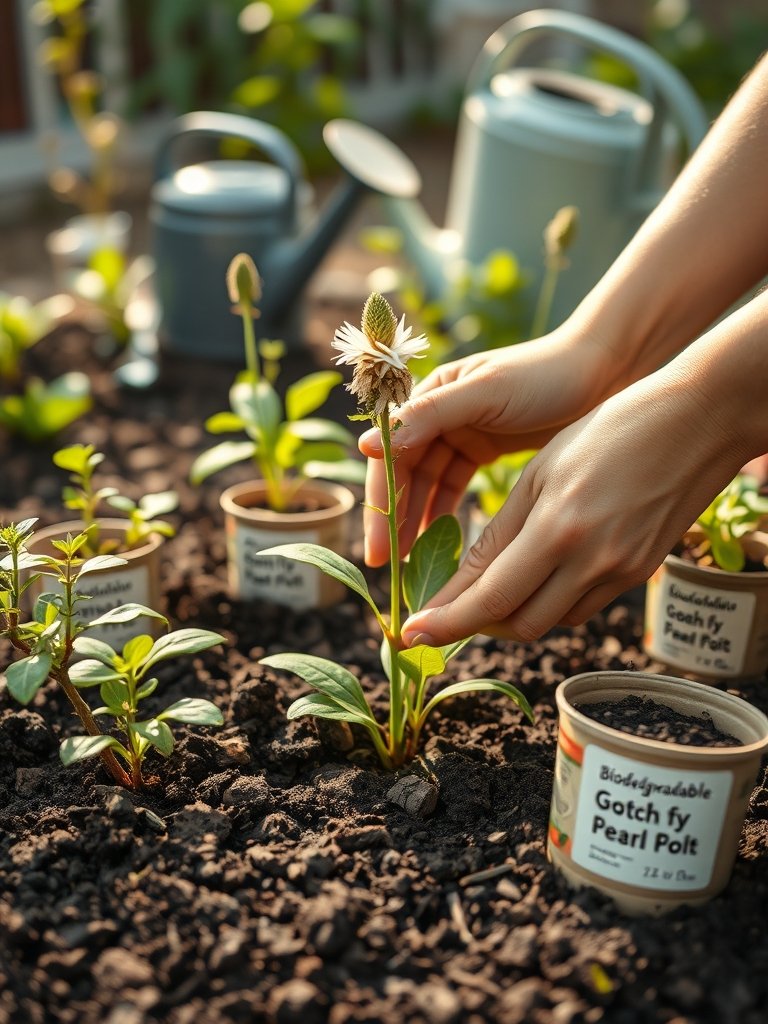
Lay out your design, then install plants in fall or spring for best results. Mulch thickly after planting. - Establish and maintain year 1–3
Water during dry spells until plants are established (typically one growing season). Weed regularly at first, tapering as natives fill in and shade competitors. - Track savings and wildlife visits
Log water meter readings, reduced mowing time, and pollinator/bird sightings to measure your actual return.
For additional strategy on eco upgrades that stack with landscaping, see our guides on pollinator gardens, xeriscaping, and rain garden installations.
Advanced analysis & common pitfalls
While native plants landscaping offers impressive returns, the transition isn’t problem-free. Here’s what to expect and how to avoid wasted effort or disappointment:
- Upfront cost shock – Native plugs or mature plants cost more than grass seed, but deliver major annual saving. Many homeowners recoup initial investment in 3–5 years (CSUSB Sourcebook).
- “Messy” phase – Year 1–2 may appear sparse or weedy. Edging and signage (“Certified Wildlife Habitat”) signal intentional design to neighbors and HOAs.
- Weed pressure – Expect tedious weeding in year 1, dropping sharply once natives mature. Plan for at least 2–3 weed sessions/month initially.
- Early-stage watering – Natives still need regular water through the first growing season, especially during drought.
- HOA or municipal rules – Ordinances may require maintained edging, height limits, or special variances. Check policies first and document all communications with your HOA/board.
- Misconceptions – Native plants are NOT always zero-maintenance or suitable for every microclimate. Source region-specific species, not generic “natives.”
| Pitfall | Reality Check | Actionable Fix |
|---|---|---|
| High upfront cost | Expected, but recouped in 3–5 years for most households | Start with one section, DIY prep, use seeds or plugs |
| Weeds crowd young plantings | Heavy weeding first year, then tapers off | Mulch thickly, hand weed, use dense plant spacing |
| HOA or city notices | Can delay or stall projects | Submit plans, use edging, get approval before major work |
| Curb appeal worries | Neighbors may not “get it” at first | Add signage, design with layered heights, use blooms |
For more detail on cost breakdowns, examples, and how native plants landscaping compares to other eco-upgrades, check out our guides on clover lawns and smart irrigation systems.
Conclusion
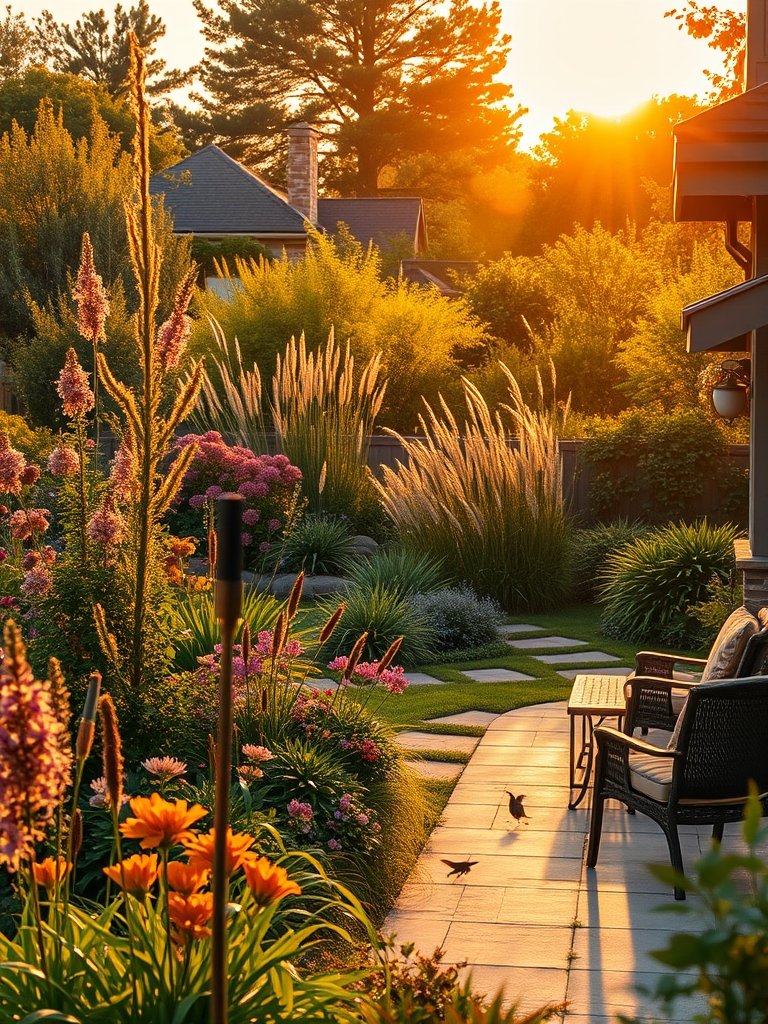
Native plants landscaping is a cost-effective, practical, and environmentally smart lawn alternative—especially for homeowners like you who want less hassle, more savings, and a meaningful boost in local wildlife. Expect to put in more work in the first year but fewer hours (and dollars) ever after. To maximize your benefits, start with a small pilot area (10–25% of your yard), measure your progress, and tap extension resources and local guides for plant selection. With patience and planning, you’ll see the economic and nature payoff within three to five years.
Ready for real savings and more time to enjoy your yard? Find your region’s best native plants or download our native landscape starter checklist. Your next step: choose a 10×10 section and start your transformation.
FAQ
How much money can I really save by switching to native plants landscaping?
Most homeowners cut their irrigation bills by 30–70% and slash maintenance costs by up to 90%. On a mid-sized suburban lot, this usually means saving $400–$800 per year after the native garden is established (CSU Sourcebook).
Will native plant gardens look unkempt or ruin my curb appeal?
Design is critical. Use attractive edging, a mix of heights, and layered blooms to ensure a tidy, intentional look. Many find their property value and neighbor appreciation go up over time.
Are native plants really no-maintenance compared to lawns?
No landscape is truly “no maintenance.” Expect moderate weeding and supplemental watering the first season, dropping to almost zero in mature plantings—much less effort than constant mowing and fertilizing.
What about HOA or city restrictions?
Always check and document HOA and city policies before starting work. Many towns now encourage native plantings, but some HOAs want pre-approval or neat edging. Bring plant lists and sketches for smooth approvals.
How can I choose the best native plants for my yard?
Start with tools like the Audubon Native Plant Finder or your local Extension office. Focus on plants proven for your region and soil type.