

Outdoor kitchen modular kit solutions are transforming backyard upgrades in 2024, giving homeowners a realistic path to install high-value outdoor kitchens without overspending or risking costly mistakes. Should you use a DIY outdoor kitchen island modular kit or go custom? This guide cuts through the hype with clear market data, real budget breakdowns, and practical warnings so you can get it right the first time.
Key Takeaways
- Modular outdoor kitchen kits now dominate the mid-market thanks to direct-to-consumer (DTC) sales, AR design tools, and strong resale appeal. Typical projects cost $6,300 to $27,000, with practical kit options starting around $4,000.
- The biggest pitfalls: hidden costs (shipping/permits), appliance compatibility issues, and underestimated installation difficulty. Durability concerns, especially in harsh climates, are common.
- Compare real scenarios, check all technical specs before purchasing, and use checklists to avoid buyer’s remorse—smart planning now means lower costs and fewer headaches later.
- Why modular outdoor kitchen kits are surging in 2024
- Who should choose a DIY outdoor kitchen island (vs hire a pro)
- Real costs — complete comparison: modular kit (DIY) vs custom construction
- Conclusion
- FAQ
Why modular outdoor kitchen kits are surging in 2024
The 2024 outdoor kitchen market in the United States is estimated at $8.8 billion, expanding at a strong 7.6–7.9% CAGR, while global growth runs 8.5–9.1% CAGR (source). The surge in outdoor kitchen modular kit purchases is driven by several factors:
- DTC E-commerce and AR Tools: Brands like NewAge and RTA Outdoor Living sell direct, offer robust online kitchen planners, and promise “kitchen in a box”—delivering modular kits curbside for self-assembly.
- Flexibility & Speed: Modular kits can be installed in days, not months, and adapt to awkward backyard layouts, fueling demand with homeowners who want quick, flexible results.
- Year-round Entertaining: More families expect to use their backyard 3+ seasons. A modular system supports all-weather use, expands resale value, and offers good ROI (50–150%, depending on region).
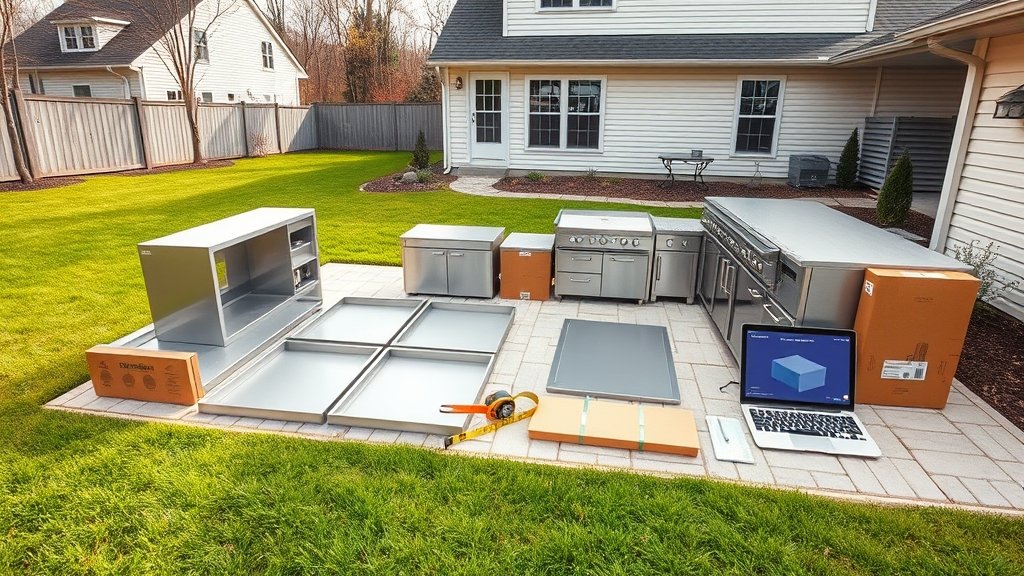
With modular or prefab kits now the second-largest product share after cooking appliances (source), the category’s popularity mirrors the rapid growth of smart home, home office, and energy upgrade markets. DIY buyers—aged 30 to 60, with moderate backyards and a project budget of $6,000 to $30,000—are driving much of the growth. If you value speed, cost clarity, and reduced long-term maintenance, the modular path makes increasing sense in 2024.
Who should choose a DIY outdoor kitchen island (vs hire a pro)
Is a DIY outdoor kitchen island the right fit for you—or should you go fully custom? Here’s how to decide:
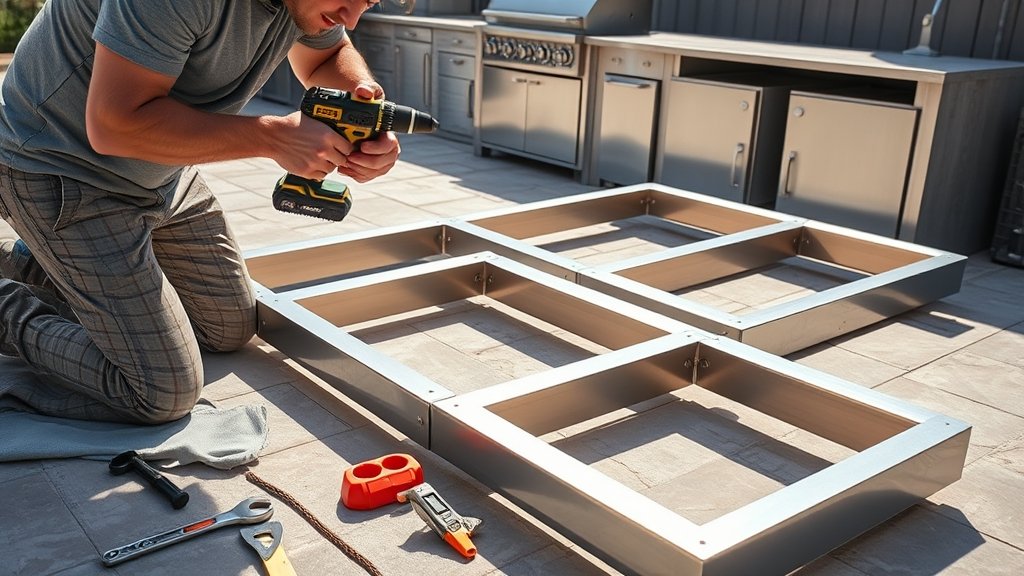
- Assess Your Skills: Modular kits are designed for capable DIYers—expect to work with power tools, basic leveling, and careful measurements. Kits minimize, but do not eliminate, build complexity.
- Define Your Scope: Projects with only patio grilling and basic cabinets can be DIY. If you want gas lines, electrical runs, or water, local code may require licensed pros (source).
- Set a Realistic Budget: Mid-range DIY projects average $16,500, with most spending $6,300–$27,000. Practical prefab islands start at $4,000. Luxury modular kits exceed $15,000, often before appliances and finishing.
- Check Regulations: Code exposure rises with gas, plumbing, or electrical additions. In most U.S. regions, permits are required for anything beyond plug-in appliances.
- Weigh Your Timeline: A modular kit self-install can take a focused weekend if solo—twice as fast with a helper. Custom builds can lag for weeks or months.
Not sure if your scenario fits? If your dream includes running water, complicated grill setups, or hardwired lighting, consult a professional for the utility work even if you assemble the modules yourself.
For more guidance on permit and code issues, see our related guides on home EV charger installation and ADU garage conversion.
Real costs — complete comparison: modular kit (DIY) vs custom construction
Don’t be fooled by low advertised prices. Total project cost includes much more than the kit sticker price. Here’s how the scenarios break down in 2024:
| Scenario | Practical Modular Kit | Mid-Range Modular Kit | Custom Masonry Build |
|---|---|---|---|
| Base Kit/Frame (8–12ft) | $4,000 | $10,000 | $20,000+ |
| Countertop | $800 | $2,000 | $5,000+ |
| Appliances | $2,500 | $6,000 | $11,000+ |
| Shipping/Delivery | $400 | $600 | $800+ |
| Permit/Trades | $500 (if DIY, may skip) | $1,800 | $5,000+ |
| Tools/Misc. | $250 | $500 | $1,000+ |
| Total Typical Cost | $7,950 | $20,900 | $45,800 |
Linear-foot pricing ranges from $1,000 to $1,800/ft for modular kits, but custom masonry often doubles or triples costs (source). Mid-range spend sits around $16,500 total, but many DIYers underestimate costs, missing hidden fees like shipping, permit, uneven slab shimming, or returns. If you’re on a $10,000–$20,000 budget, modular offers the highest bang-for-buck and is the only path to a code-compliant backyard kitchen for most homeowners this year.
Don’t forget to factor in time, trade call-outs for hookups, and allow at least 10% overage for unexpected needs—especially if this is your first major DIY install project.
See more granular comparison advice in our outdoor kitchen ideas cost guide and prefab outdoor kitchen checklist.
Top pitfalls when buying and installing modular kitchen kits in 2024
- Hidden costs: Shipping, complicated returns, high-end countertop upcharges (especially for real stone), and expensive permit or trade call-outs.
- Appliance misfits: “Standard” cutouts are not universal; check exact width/height and ventilation needs to avoid expensive fitting errors that void warranties.
- Installation headaches: DIY-friendly does not equal easy—module joins often require shimming and weatherproofing, especially if your patio slab is not perfectly level.
- Durability risks: Salt air, freeze-thaw, or constant sun can corrode/warp some stainless or polymer frames. Insist on marine-grade steel or aluminum for harsher zones.
- Patchwork look: Mixing brands or finishes often leads to misaligned seams, “doubled walls,” or a non-cohesive appearance. Buy appliances and modules as a matched set if appearance matters.
Feedback from major brands shows consumers flag installation difficulty, weather-resilience problems, and appliance compatibility as the most frustrating surprises (source and real-world product reviews).
For other high-impact, “get it right the first time” project guides, check our actionable analysis on deck composite material comparison.
Conclusion
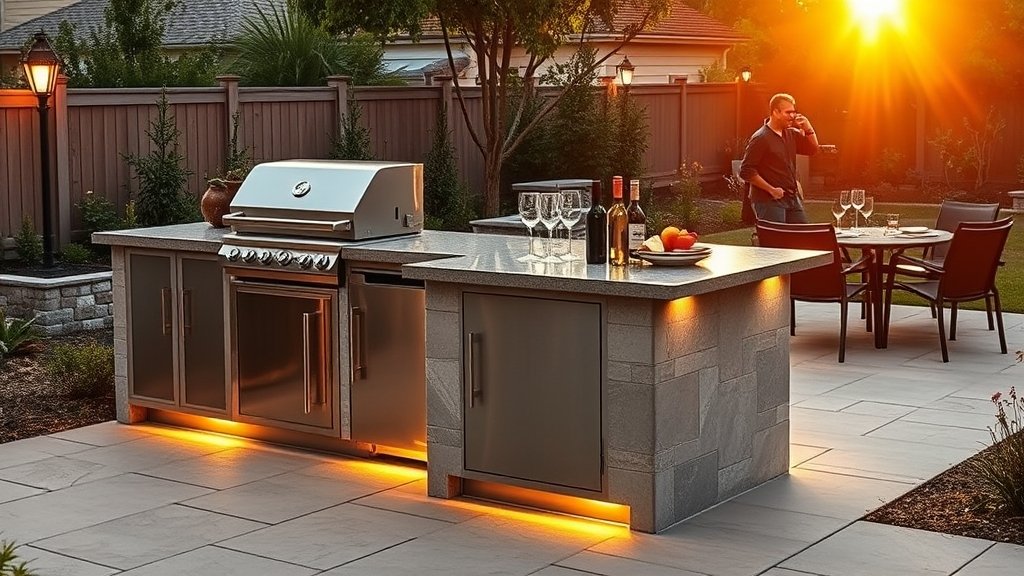
Choosing the right outdoor kitchen modular kit is about more than price—it’s about understanding real costs, matching your skills and timeline, and planning ahead for installation and hidden headaches. A well-selected modular kit can deliver a beautiful, code-compliant outdoor kitchen for much less than masonry or fully custom construction, while boosting your home’s resale and entertainment value.
Ready to get started? Review the price ranges, pitfalls, and install realities outlined here. Always double-check local regulations and appliance specs before you purchase—and let your grill season truly begin. For even more tips, see our full outdoor kitchen built-in grill guide. With the right approach, your outdoor kitchen modular kit delivers maximum return—both for your wallet and your weekend lifestyle.
Take action now: Get quotes from top brands, compare specs, and put your project plan on paper before you order.
FAQ & Troubleshooting
What are the most common hidden costs with a DIY outdoor kitchen island?
Homeowners often underestimate shipping (especially for heavy crate deliveries), appliance and countertop upcharges, permit or inspection fees, and payments to licensed trades for gas, electric, or plumbing hookups. Plan for at least 10% over your initial budget for surprises.
How do I avoid appliance compatibility issues with modular kits?
Check both the manufacturer’s cutout template and your actual appliance specs—width, height, ventilation clearance, and door swing. If buying from mixed brands, confirm all measurements before ordering. Many buyers regret “almost fits” and return shipping is expensive.
Do DIY modular kitchens impact home resale value?
Yes—backyard kitchens are among the most sought-after features in resale according to architects and homebuilder surveys. Mid-range modular kits (installed well, with quality appliances) typically drive a strong ROI, ranging from 50% to 150% depending on local climate and market.
When should I hire a professional instead of doing the install myself?
If your project involves gas lines, hardwired electrical, buried plumbing, or complex foundation work, hire a licensed pro for those portions. Doing all modules yourself is best for “plug and play” grilling stations.
What’s the best brand for DIY outdoor kitchen modular kits?
NewAge is popular for competitive DTC pricing and straightforward assembly. RTA Outdoor Living leans more premium, while Bull and Coyote are strong for semi-custom setups. Always check warranty terms, user reviews, and after-sale support.