

Prefab outdoor kitchen solutions are surging in popularity for homeowners who want rapid installation and cost control—without sacrificing durability or performance. Yet too many buyers rush in, only to encounter disappointing materials, installation headaches, and appliance mismatch. Here’s how to make the smartest choice the first time, and ensure your outdoor cooking space adds joy, not stress, for years to come.
Key Takeaways
- Prefab outdoor kitchen kits now represent a $4–5 billion market, offering fast installation and value, but hidden pitfalls persist.
- Avoid top buyer pain points by focusing on high-grade materials, verifying appliance compatibility, and planning for professional trades.
- Insist on weatherproof materials, code compliance, and use an actionable checklist before purchasing any modular outdoor kitchen kit.
- Why prefab outdoor kitchens are exploding in popularity (market snapshot)
- Prefab vs. modular vs. fully custom — what you actually get
- Total cost breakdown — buying, delivery, assembly vs. fully custom
- The three most common buyer pain points (and how to avoid them)
- Materials, lifespans and weather resistance — what to insist on
- How customizable are prefab systems — layout, appliances, future expansion
- Installation, permits, and safety codes — what to know before you buy (2024 update)
- Quick decision roadmap: When to choose prefab/modular vs. fully custom
- Must-ask questions, pre-purchase checklist, and templates (downloadable)
- What most top articles miss (the three critical follow-ups we wrote this post to cover)
- FAQ: Prefab Outdoor Kitchens
Why prefab outdoor kitchens are exploding in popularity (market snapshot)
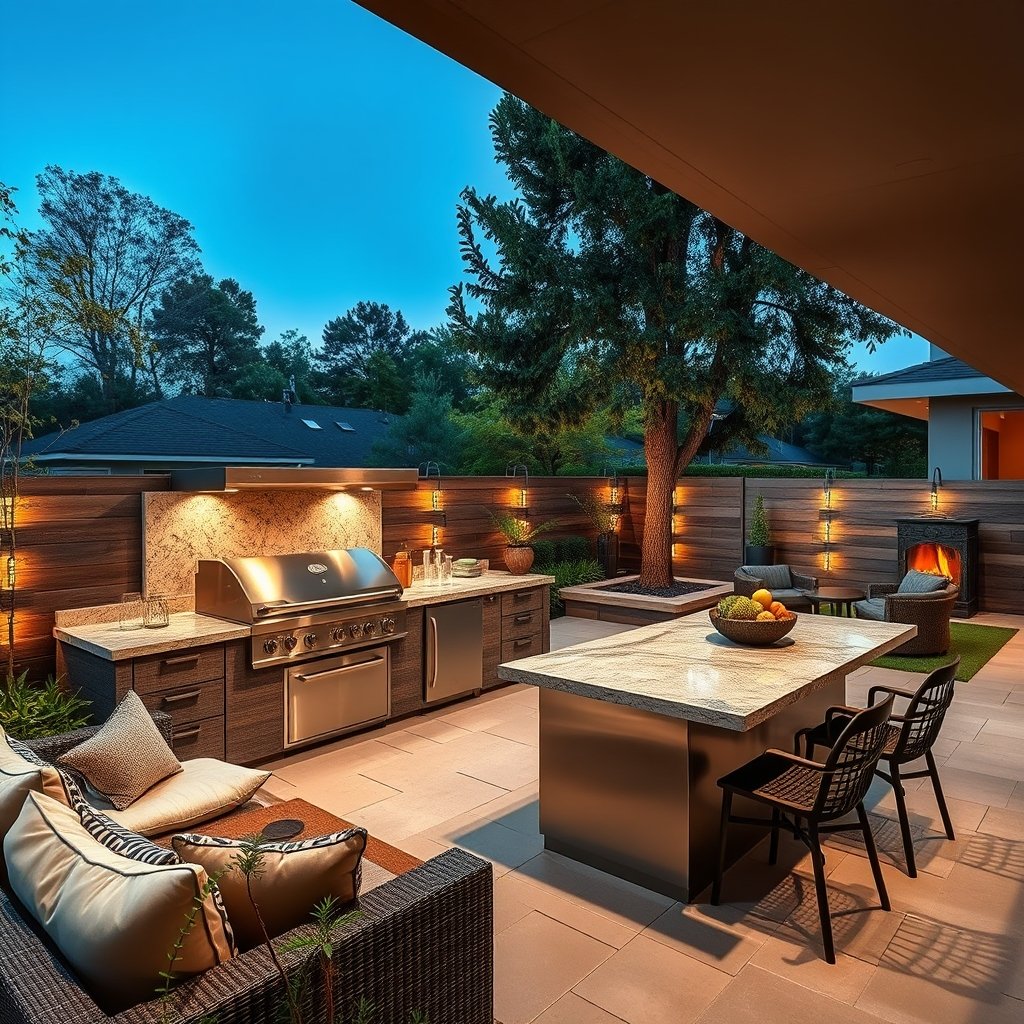
The outdoor kitchen market in the US is booming, with the overall sector valued at about $23.7 billion in 2024 and projected to reach $25.7 billion in 2025, growing at an 8.5 percent CAGR through 2033. Modular-kit and prefab island systems now account for roughly one quarter—putting the US prefab outdoor kitchen niche at $4–5 billion and climbing fast (Research Findings (2024–2026 market snapshot)). This rapid growth brings more choice and price competition, but also a flood of low-grade offerings. That makes it essential to scrutinize not just the price but the construction, materials, and the flexibility to accept premium appliances in these kits.
Prefab vs. modular vs. fully custom — what you actually get
Not all “prefab outdoor kitchens” mean the same thing. Here’s how the product tiers line up in the real world:
- Simple prefab islands: These arrive as nearly finished blocks, often with a countertop and basic grill cutout. Some units include a grill, but most require you to add your own appliances.
- Modular outdoor kitchen kits: These use cabinet-based systems, letting you select only the pieces you need. Individual cabinetry and hardware are typically included; you choose finish, handles, trim kits, and appliances separately.
- Fully integrated systems: These are “all-inclusive” and come with every appliance (grill, fridge, storage, etc.), countertops, and final finishes. Custom orders often available, but price jumps dramatically.
What is (and isn’t) included?
Most modular outdoor kitchen kits and prefab outdoor kitchens do not include appliances by default. Delivery, site prep, utility lines, and finishing touches typically cost extra as well.
Typical price ranges:
- Prefab kits: $3,000–$10,000 (before appliances)
- Modular kits: $5,000–$20,000 (before appliances)
- Fully integrated: $6,499–$14,999 (all-inclusive)
However, the “real” all-in cost (when you total up delivery, appliances, site work, and trades) is usually:
Prefab: $6,000–$15,000
Modular: $12,000–$25,000+
(Research Findings)
Total cost breakdown — buying, delivery, assembly vs. fully custom
Here’s a realistic breakdown when comparing prefab outdoor kitchen and modular outdoor kitchen kits versus full custom builds:
| Cost Item | Prefab/Modular (Typical Range) | Fully Custom (Typical Range) |
|---|---|---|
| Kit or structure | $3,000–$14,999 | $6,000–$20,000+ |
| Appliances (grill, fridge, etc.) | $2,000–$7,500 | $4,000–$15,000 |
| Delivery & assembly | $500–$2,500 | $1,500–$5,000 |
| Site prep & foundation | $500–$2,500 | $1,500–$8,000 |
| Gas/electric/plumbing hookups | $800–$3,000 | $1,200–$6,000 |
| Finishing (stone, tile, stucco) | $600–$2,500 | $2,000–$5,000 |
| Permits & inspections | $200–$850 | $300–$1,800 |
| Total (realistic) | $6,000–$25,000 | $15,000–$50,000+ |
Remember: advertised kit pricing is rarely the all-in cost. Delivery, professional hookups, permits, and proper site preparation often double the sticker price. If you want an even deeper dive on hidden expenses, see our detailed outdoor kitchen ideas guide for granular scenarios.
The three most common buyer pain points (and how to avoid them)
Based on industry research and hundreds of real buyer reviews, most modular outdoor kitchen kit headaches fall into three categories:
- Installation surprises: Assembly looks easy online, but reality bites. Specialized tools, need for precise measurements, and tricky gas/electric hookups force many DIYers to bring in help.
- Poor durability: Entry-level prefab outdoor kitchen frames often use cheap steel or thin aluminum that corrode, rust, or deform. Harsh climates will shorten the lifespan of these units quickly.
- Feature and appliance compatibility: Cabinet openings and appliance cutouts sometimes don’t match the dimensions of your preferred grill, fridge, or sink. Inadequate ventilation or lack of modularity can prevent certain upgrades later on.
| Pain Point | Root Cause | Prevention Step |
|---|---|---|
| Installation headaches | Poor instructions; non-standard hardware; utility complexity | Use manufacturer templates, budget for pro hookups, confirm needed tools |
| Durability failures | Low-grade material, insufficient weather resistance | Insist on marine-grade stainless or powder-coated aluminum; review warranty |
| Compatibility issues | Non-standard cutouts; limited modularity | Cross-check appliances; demand custom trim kits; review expansion options |
For more examples and approaches, our outdoor kitchen built-in grill guide covers the most overlooked design and install mistakes.
Materials, lifespans and weather resistance — what to insist on
Material choice directly determines the lifespan and maintenance burden of your prefab outdoor kitchen. Here’s what industry data and homeowner reviews reveal:
| Material | Pros | Cons | Estimated Lifespan |
|---|---|---|---|
| Marine-grade stainless steel (304, 316L) | Excellent corrosion resistance, robust for grills and cabinets | Price premium | 15–25 years |
| Powder-coated aluminum | Good weatherproofing, lighter weight, lower cost | Dents more easily | 10–20 years |
| Galvanized/low-grade steel | Low upfront cost | Corrodes, rusts—especially in wet/snow zones | 3–8 years |
| Sintered-stone countertops (e.g. Dekton, Neolith) | Heat, UV, and stain-resistant; low maintenance | High cost; may chip under impact | 20+ years |
| Tile or natural stone | Classic look; can match house finishes | Grout requires upkeep; can crack with freeze/thaw | 10–18 years |
Insist on marine-grade stainless, premium powder-coated aluminum, or a high-grade composite frame for maximum longevity. Avoid units built with uncoated steel or MDF core—the savings vanish after one or two New England winters.
Want to learn how material choices affect decking and exterior projects? Our composite material comparison includes outdoor kitchen use cases.
How customizable are prefab systems — layout, appliances, future expansion
Most modular outdoor kitchen kits promise flexibility, but real customization varies greatly by brand:
- Module widths, doors, end panels, and trims are often available in dozens—or hundreds—of sizes.
- Cabinet makers frequently offer custom trim kits to accommodate nearly any grill or appliance on the market (Brown Jordan Outdoor Kitchens).
- Upgrades like powder-coat color, handle style, and even wraparound faux stone or tile are typically available at the factory level, not retail big box.
- Look for brands offering “quick-connect” gas and electrical raceways—these speed up installation and support future add-ons (think drop-in burners, pizza ovens, or beverage stations).
If future expansion is important, ask about the modular system’s limits: Can you add a fridge tomorrow? Will you need to climb under the deck to run new lines? Confirm these early—many units can be retrofitted, but some cheap prefab outdoor kitchens lock you into a fixed layout.
Installation, permits, and safety codes — what to know before you buy (2024 update)
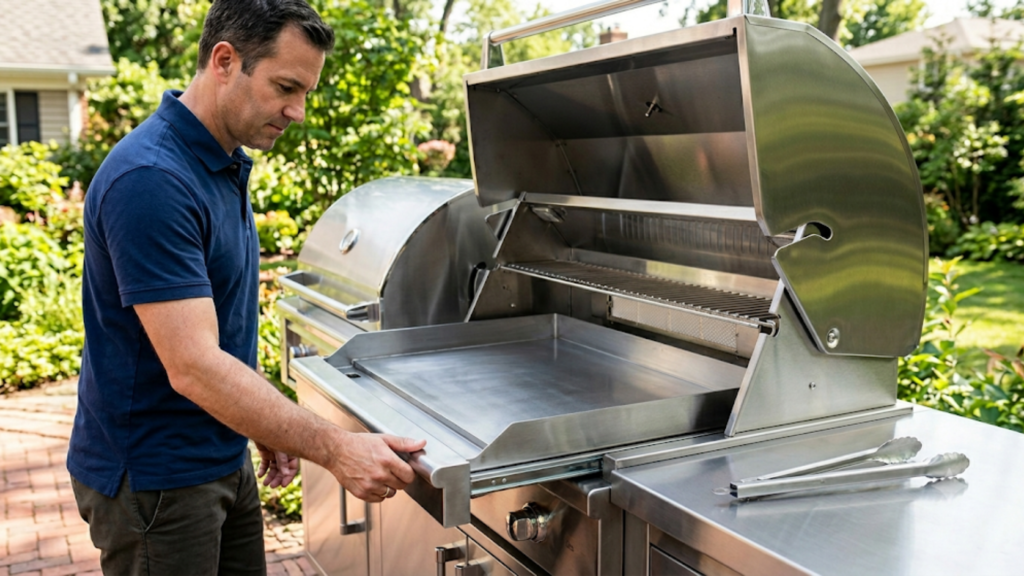
Even the best prefab outdoor kitchen demands professional trade work for gas, electric, and plumbing, and—depending on location—frequently triggers permit requirements:
- Required trades: Licensed plumber (gas line), electrician (circuits/conduit), sometimes general contractor for foundation/site work.
- Permits: Required for any new gas, electric, or water line in most jurisdictions. Expect permit fees of $200–$850. Neglecting this can derail resale or lead to code violations later (HTF Market Insights).
- Codes and standards: Verify all appliances and modular outdoor kitchen kits have appropriate UL or ETL listings (ideally UL SU438 for outdoor kitchen cabinets and enclosures). Confirm fire clearance to any combustible surface as per local rules (usually 9–24 inches).
- Electrical: At least one GFCI/AFCI receptacle required; if adding lighting, demand weatherproof junction boxes and conduit.
For a code compliance checklist, review our article on home EV charger installation—many best practices are similar for outdoor power safety.
Quick decision roadmap: When to choose prefab/modular vs. fully custom
Unsure whether a prefab outdoor kitchen is right for you? Here’s a simple buyer paradigm:
- Choose prefab outdoor kitchen if your priorities are speed, predictable budget, and a standard layout works for your space. Ideal when timeline or resale is key over unique design.
- Choose modular outdoor kitchen kits if you need size/configuration flexibility, have specific appliances in mind, and want a semi-custom look without custom price.
- Choose fully custom if architectural integration, high-end materials, or complex design features (like multi-level counters, water features) are must-haves—and you’re OK with 5–12 week lead times and premium cost.
Market data confirms that about 25 percent of homeowners now pick a modular/island solution to balance price and customization (Research Findings).
Must-ask questions, pre-purchase checklist, and templates (downloadable)
Before you buy any modular outdoor kitchen kit or prefab unit, ask these questions and verify every box:
- What are the exact exterior dimensions of the modules (including trim)?
- Can you provide appliance cutout and rough-in templates before ordering?
- Are any appliances included in the base kit price? (Many are not!)
- Which appliance models and brands are compatible with the frames and cutouts?
- What are the required ventilation clearances for all gas appliances?
- Do you need a concrete pad, deck, or other specific foundation—what are those specs?
- What are typical delivery charges and assembly fees in your region?
- What is the warranty period—are rust/corrosion and finish issues specifically covered?
- Can finishes or layouts be upgraded after install (add-ons, expansion compatibility)?
Download the printable pre-purchase checklist (PDF)
Keen on easy upgrades and clever layouts? Our deep-dive on modular home addition cost shows how to extend prefab solutions across your entire backyard.
What most top articles miss (the three critical follow-ups we wrote this post to cover)
Most prefab outdoor kitchen guides skip foundational issues that lead to project headaches. Here’s what they miss—and why you’re prepared to avoid these pitfalls:
- Market context: The US prefab outdoor kitchen segment is a $4–5 billion market, not a minor trend (see Market.us). That means choices are abundant—but so are quality risks.
- Materials and methods matter: Only high-grade outdoor-rated components (marine stainless, powder-coated aluminum, sintered stone) will deliver the lifespan and low maintenance most buyers expect.
- Installation and compatibility frustration: The biggest buyer headaches continue to be: (a) lack of pro-ready templates for trades, (b) mismatch between kits and real-world appliances, (c) hidden durability issues with cheap steel or MDF cores.
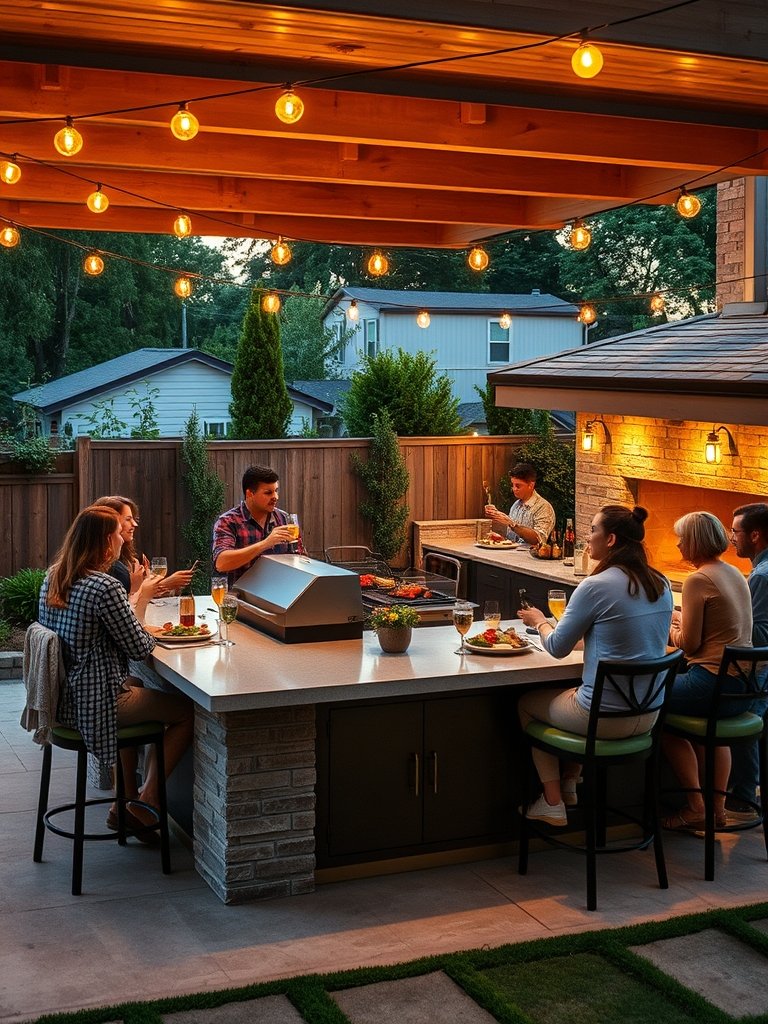
By focusing on actionable pre-buy checks and the right construction materials, you’ll skip the mistakes most install guides leave unsaid.
FAQ: Prefab Outdoor Kitchens
How much does a prefab outdoor kitchen really cost all-in?
Prefab outdoor kitchen projects typically run $6,000 to $15,000 once you include delivery, appliances, site prep, utilities, and finishing. Modular kits with higher-end finishes or custom upgrades often fall between $12,000 and $25,000 plus any foundation or add-on features.
Do prefab outdoor kitchen kits include appliances?
Most prefab and modular kits do not include appliances in the base price. Always confirm exactly what’s included—grills are sometimes optional, and cutouts must match your selected models.
Can I install a prefab outdoor kitchen myself?
DIY installation is possible for basic assembly, but it’s highly recommended to hire professionals for any gas, electrical, or plumbing hookups to ensure code compliance and safety. Permit and inspection requirements also apply in most areas.
What materials last the longest in outdoor kitchens?
Marine-grade stainless steel and powder-coated aluminum offer the best long-term durability and lowest maintenance needs. Sintered stone countertops (e.g., Dekton) provide superior resistance to weather, stains, and high heat compared to tile or low-cost stone.
What should I ask before buying a prefab outdoor kitchen?
Request appliance template specs up front, confirm warranty coverage for rust/corrosion, verify cutout compatibility with your preferred appliances, and insist on weather-resistant frames and surfaces.
Conclusion
Choosing the right prefab outdoor kitchen hinges on informed, realistic planning—balancing upfront savings with long-term durability and code-safe installation. By insisting on premium materials, verifying real appliance compatibility, and budgeting for professional trades, you can create a lasting outdoor cooking space that boosts home value and stands up to time. Ready to find the right prefab outdoor kitchen for your needs? Compare three prefab kits in detail or get a custom quote now. Don’t start without downloading our pre-purchase checklist.