

Indoor air quality monitor sales have surged in 2024 as more homeowners realize hidden air pollutants like VOCs can impact health, comfort, and even long-term property value. But before you buy, it’s essential to know what these monitors can—and can’t—actually tell you, how to make sense of the numbers, and how to avoid common mistakes that waste your money or trigger needless anxiety.
Key Takeaways
- Most consumer indoor air quality monitors are best for spotting overall trends—don’t overreact to every spike or alert.
- VOC sensors report a total level (TVOC), not individual chemicals. Their readings can drift and are affected by everyday activities like cooking or cleaning.
- For serious health or odor concerns, professional lab testing or a targeted monitor may be needed to get specific answers.
- Why buy an indoor air quality monitor in 2024 — market and motivation
- What VOC levels in homes typically look like — baseline expectations
- The most common VOCs in residences and their sources
- What consumer VOC sensors actually measure — TVOC vs speciated gases
- Accuracy and real‑world performance — what the numbers mean for homeowners
- Top user complaints and failure modes to watch for
- Price, operating costs and hidden expenses (what to budget)
- How VOC detection technologies compare (MOX vs PID vs targeted sensors)
- Practical tests and use cases readers need but rarely find in top articles
- Recent product reliability issues, recalls, and what to watch for
- Clear buying guide — which monitor to choose for these 5 homeowner scenarios
- Practical next steps for readers — how to test and interpret readings at home
- Conclusion
- FAQ
Why buy an indoor air quality monitor in 2024 — market and motivation
There’s a clear reason more people are searching for indoor air quality monitors than ever in 2024. The global market hit nearly $5 billion this year and continues to grow at 7-8% a year [Research Report]. This momentum is about more than buzz—wildfire smoke, pandemic awareness, home renovations, and health concerns are driving real-world demand.
For many, the motivation is practical: modern homes can trap pollutants from paints, new flooring, cleaning products, and even cooking. Allergy flare-ups, nagging odors, or new headaches after a renovation are all reasons to check your air—and to want hard data, not just guesswork. Smart air quality monitors can give you instant feedback, log trends, and even alert your phone if something’s off, helping prevent bigger issues (like mold or VOC overload) before they start.
What VOC levels in homes typically look like — baseline expectations
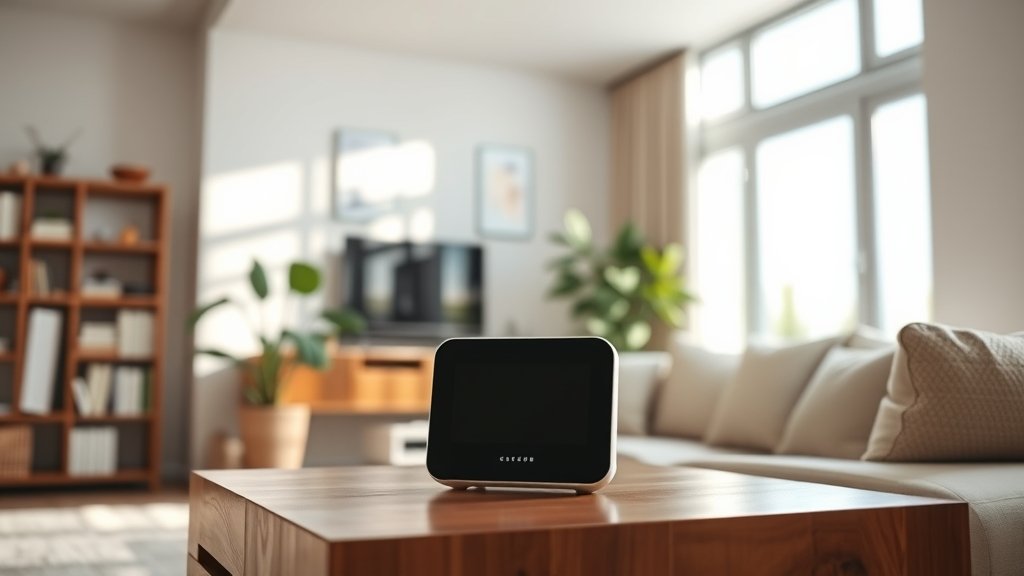
Understanding normal readings is critical, especially if your goal is to filter out noise and avoid false alarms. Indoor total VOC (TVOC) concentrations are often 2–10 times higher than outside, particularly after painting or bringing in new furniture. Standard home readings usually land between a few hundred and over a thousand micrograms per cubic meter (µg/m³) [Source]. Day-to-day, it’s common for levels to spike temporarily during cooking, heavy cleaning, or even showering—then drop with good ventilation. Only persistent, abnormally high readings suggest a serious and ongoing source needing attention.
The most common VOCs in residences and their sources
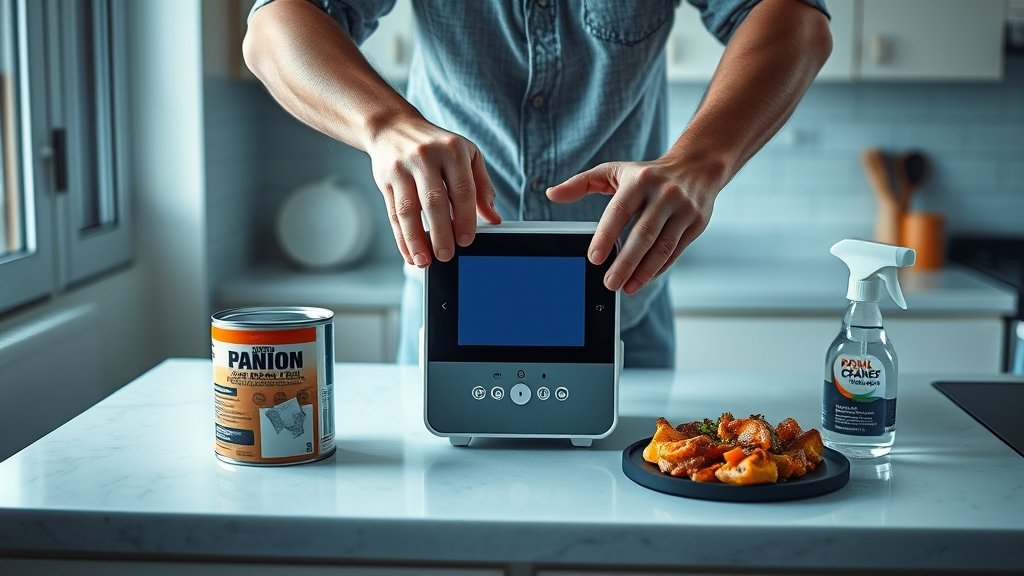
VOC is an umbrella term for hundreds of airborne chemicals. But in real homes, just a handful dominate. The top concern is formaldehyde sensor, used in pressed-wood furniture and building materials. BTEX compounds (benzene, toluene, ethylbenzene, xylenes) are common from solvents, gasoline, and outside air getting in. Acetaldehyde is largely from cooking oils and smoke. Terpenes are given off by fragrances and cleaning supplies. Alcohols can spike when disinfectants or glues are used. Formaldehyde, benzene, and acetaldehyde are high–priority for health, per the most recent research [Kaiterra Guide].
Many of these sources are persistent (furniture, flooring), but others are intermittent—like painting, using scented candles, or heavy-duty cleaning. Correctly identifying the type is crucial if you need to target mitigation (for example, choosing the right carbon or chemisorption filter or knowing when to call for professional remediation).
What consumer VOC sensors actually measure — TVOC vs speciated gases
Most home monitors use a single “VOC sensor for home” to estimate a total VOC value, also called TVOC. This doesn’t tell you whether it’s mostly formaldehyde, limonene, or benzene—just the sum total.
Budget monitors rely on MOX (metal-oxide) sensors, while more advanced (and pricier) models use PID sensor technology. Neither will pinpoint or confirm individual gases unless they also include a specific, calibrated sensor. For exact identification and levels of each chemical, lab tests (GC-MS) or professional-grade, single-target sensors are needed. So, a spike could mean something benign like a whiff of pine cleaner, or it could signal formaldehyde from building materials—it’s up to you to do further detective work if readings stay high.
For a deeper dive, see this TVOC guide with visuals of what these readings can—and can’t—show you.
Accuracy and real‑world performance — what the numbers mean for homeowners
The biggest mistake buyers make is expecting lab-grade precision. Most mainstream “indoor air quality monitor” models are accurate to only ±30–50% compared to professional GC-MS analysis [Research]. A spike from 200 to 600 µg/m³ could really be 400—meaning you need to look for a pattern before taking drastic action. Some high-end units claim ±10–15% accuracy, but only for specific gases like formaldehyde.
Sensors also drift over weeks or months, especially if exposed to high heat, humidity, or strong odors. Most consumer products require periodic recalibration—sometimes this just means resetting baselines; other times, shipping the unit for recalibration. In all cases, use the readings as a directional signal (“are things generally trending up or down?”) rather than gospel truth.
Top user complaints and failure modes to watch for
According to user reviews and field research, the most common complaints for a “VOC sensor for home” include:
- Sensor drift: readings become inaccurate without warning
- Sudden spikes after cooking or cleaning, causing false alarms
- Sensitivity to humidity spikes, especially in kitchens and bathrooms
- Short battery life in portable models
- Connectivity problems with Wi-Fi or app integration
- Poor specificity—almost all models group all VOCs as a single TVOC value
Mitigating these issues:
- Place monitors away from kitchens and bathrooms to avoid humidity spikes (and avoid right above air vents!)
- Check for firmware updates regularly—many manufacturers address drift or Wi-Fi bugs this way
- Consider a plug-in (not battery) model for crucial, always-on monitoring
- Log trends over weeks rather than base decisions on a single spike
- If your model allows, recalibrate every few months or after major events like painting or moving furniture
Price, operating costs and hidden expenses (what to budget)
Indoor air quality monitors span a wide price range:
- Entry-level ($50–$120): Basic MOX sensors, TVOC only, minimal data logging
- Mid-range ($120–$300): Wi-Fi or Bluetooth, rudimentary app, slightly better accuracy, sometimes basic particulate detection
- High-end ($300–$500+): Better accuracy (PID sensors or targeted formaldehyde/benzene sensors), data logging, trend analysis, advanced air quality insights, professional calibration possible
Hidden expenses to consider:
- Subscription/cloud storage fees for some “smart” features
- Replacement sensors (often every 1–2 years, especially in cheaper models)
- Batteries or backup power for portable units
- Professional lab testing for breakthrough events or persistent high readings
This layered expense structure is no different than other smart-home tech upgrades. For reference, you can explore costs of other home systems like heat pump water heaters or EV chargers to put these numbers in context.
How VOC detection technologies compare (MOX vs PID vs targeted sensors)
| Sensor Type | Sensitivity | Specificity | Expected Accuracy | Lifespan/Maintenance | Common Failure Modes | Best For |
|---|---|---|---|---|---|---|
| MOX (Metal-Oxide) | Moderate | Lowest (all VOCs lumped) | ±30–50% | 1–2 years; susceptible to drift | Drift, humidity, false positives | General trend spotting |
| PID (Photoionization) | High | Medium (Still TVOC, slightly better for aromatics) | ±15–30% | 2–5 years; less drift but needs recalibration | Occasional false alarms | More sensitive, better for renovation monitoring |
| Targeted (e.g. formaldehyde) | Very high | High for that gas only | ±10–15% (for that target) | Years; usually less drift if high-quality | Limited to single gas (others unknown) | Formaldehyde or benzene concern |
Most homes will get the best ROI from a MOX- or PID-based “VOC sensor for home” unless there’s a known health trigger or legal limit to monitor for (like chronic formaldehyde exposure). For full TVOC insight and peace of mind, monitor for trends—not momentary blips.
Practical tests and use cases readers need but rarely find in top articles
Few guides tell the full story: consumer units, when tested side-by-side with professional lab results, typically show ±30–50% error—making them far from foolproof. To get the best out of your indoor air quality monitor, consider running these practical at-home tests:
- Overnight baseline vs. active day: Log readings when windows are shut versus after activities like heavy cleaning or cooking. The delta gives you a check against background noise.
- Humidity response: Run a hot shower, see if your monitor falsely spikes—suggests humidity interference.
- Cleaner/candle test: Trigger with a known source and see the lag time—does the reading rise and fall as the odor/fume dissipates?
- Long-term trend: Track results for 7–14 days after a renovation or appliance change to catch persistent issues.
- Compare to lab (if possible): Even a single data point (lab-provided sampling tube) is worth gold for calibrating your own device’s directional accuracy.
Case studies and independent comparison reviews are rare—so when in doubt, log your own trends and don’t panic over individual peaks. For reference on how trend monitoring supports smarter action, see this crawl space guide on long-term air quality solutions.
Recent product reliability issues, recalls, and what to watch for
Despite widespread concerns about drift and accuracy, there have been no major brand-wide recalls of popular consumer IAQ monitors in 2024. Most reliability issues are “soft” problems: firmware bugs, unannounced sensor drift, or battery degradation. Before buying, always:
- Check the manufacturer’s site for firmware update notes
- Search for third-party accuracy reviews (not just Amazon testimonials)
- Review support forums for serial reliability complaints
- Confirm warranty and return policies
This is a tech category where buying last year’s “editor’s pick” can sometimes yield better reliability, as known bugs are often already fixed.
Clear buying guide — which monitor to choose for these 5 homeowner scenarios
- 1. Major renovation just ended: Choose a mid- to high-end monitor with logging, formaldehyde sensor, and humidity compensation; recalibrate before use. Consider a unit with PID sensor.
- 2. Frequent cooking: Plug-in model with humidity-corrected baseline and ability to track TVOC trends over at least two weeks; place the device outside the kitchen zone.
- 3. Water damage/mold worry: General-purpose TVOC monitor plus a humidity/temperature sensor combo (integrated or paired). Log after heavy rain or remediation work; see this expert guide for broader mold control tips.
- 4. Chronic health symptoms: Invest in a targeted, calibrated sensor for formaldehyde or benzene with proven third-party validation; supplement with professional lab testing if persistent spikes occur.
- 5. Casual monitoring/peace of mind: Affordable MOX-based unit, plug-in, trending enabled, recalibrate occasionally. Use mainly for household trend awareness and basic alerts.
Minimum features to look for: trustworthy TVOC readings, trend logging, recalibration options, live display or app access, and targeted gas sensor if you have special concerns.
Want a broader context? Our indoor air quality monitor buying guide compares more scenarios and device types.
Practical next steps for readers — how to test and interpret readings at home
- Place your device: Choose a central living area, away from vents, stoves, and bathrooms, about breathing height.
- Establish a baseline: Run it overnight (windows shut, minimal activity); log the lowest steady value.
- Test triggers: Cook a meal, open/close a paint can, use an air freshener. Note any spikes and speed to drop back to baseline.
- Monitor trends: Track values for 7–14 days; watch for persistent elevation, not one-off blips.
- Pursue lab/professional test if needed: If TVOC stays twice baseline over a week or you notice new persistent odors or symptoms, consider a targeted professional test for formaldehyde or BTEX.
- Contact HVAC/remediation pros if a targeted test finds excessive levels—don’t rely solely on consumer sensors for legal or major health decisions.
Remember: everyday home TVOC levels can be 2–10× outdoor air, so action is only needed if the monitor shows persistent, large elevations above your own overnight baseline. For homeowners wanting a deeper home-investment perspective, see related insight on flooring VOC offgassing or broader whole home system upgrades.
Conclusion
Choosing the right indoor air quality monitor is less about chasing the lowest reading and more about knowing what the numbers really mean for you. TVOC spikes from cooking or new furniture are common and often harmless, but persistent, high-level trends or health symptoms call for more advanced action. Use your monitor to spot problems early, but trust the trends—not the alarms. With a bit of knowledge and a skeptical eye, you’ll get value, peace of mind, and real protection from your investment.
Ready to upgrade your air understanding—or want to compare new models? Check out our in-depth indoor air quality monitor buying guide or browse other proven smart home solutions for a healthier, more connected space.
FAQ
How accurate are most consumer indoor air quality monitors for VOCs?
Most are accurate to within ±30–50% compared to lab measurements. They’re reliable for spotting trends but should not replace professional testing for health or legal decisions.
What is a safe TVOC reading at home?
There’s no universal standard, but most healthy homes stay between 150–450 µg/m³. Spikes over 1000 µg/m³ after painting or cooking are common; persistent elevations above this need investigation.
Can one monitor detect mold problems or chemical leaks?
General monitors can indicate elevated VOCs but cannot specify the source. Persistent high VOCs may warrant further mold or targeted chemical testing.
How can I reduce false alarms from cooking or cleaning?
Place your monitor away from the kitchen or bathroom, ventilate after using strong products, and log time-of-day trends. Don’t panic over short-term spikes.
When should I call a professional for air quality testing?
If you experience ongoing health symptoms, smells, or see persistent high VOC readings, get a professional indoor air quality assessment for precise diagnosis and action.