

Crawl space encapsulation is one of the most effective upgrades you can make to protect your home’s value, indoor air quality, and long-term energy costs—if you do it right. Whether you’re wrestling with humidity, mold, or astronomical HVAC bills, this guide arms you with real cost data, regional examples, smart material choices, and a no-nonsense ROI worksheet. Before you sign any contract, compare these numbers and strategies so you make the smartest long-term investment for your home.
Key Takeaways
- The average crawl space encapsulation cost in 2024 is $5,500 nationwide, ranging from $1,500–$15,000 based on size and damage. Per-square-foot pricing is $3–$7 for most jobs; up to $10 for heavy remediation. (source)
- Labor drives 50–70% of the cost; material upgrades (vapor barrier, insulation, dehumidifier) often add less to total cost than you’d think—choose for durability, not just price.
- Top buyer mistakes: poor sealing, missed water sources, undersized or cheap dehumidifiers, cost overruns, and skipped maintenance—each can ruin ROI, so use the included checklists and contractor guide.
- What is crawl space encapsulation and when do you need it?
- How much does crawl space encapsulation cost in 2024?
- Advanced analysis and common pitfalls
- Conclusion
- Frequently Asked Questions
What is crawl space encapsulation and when do you need it?
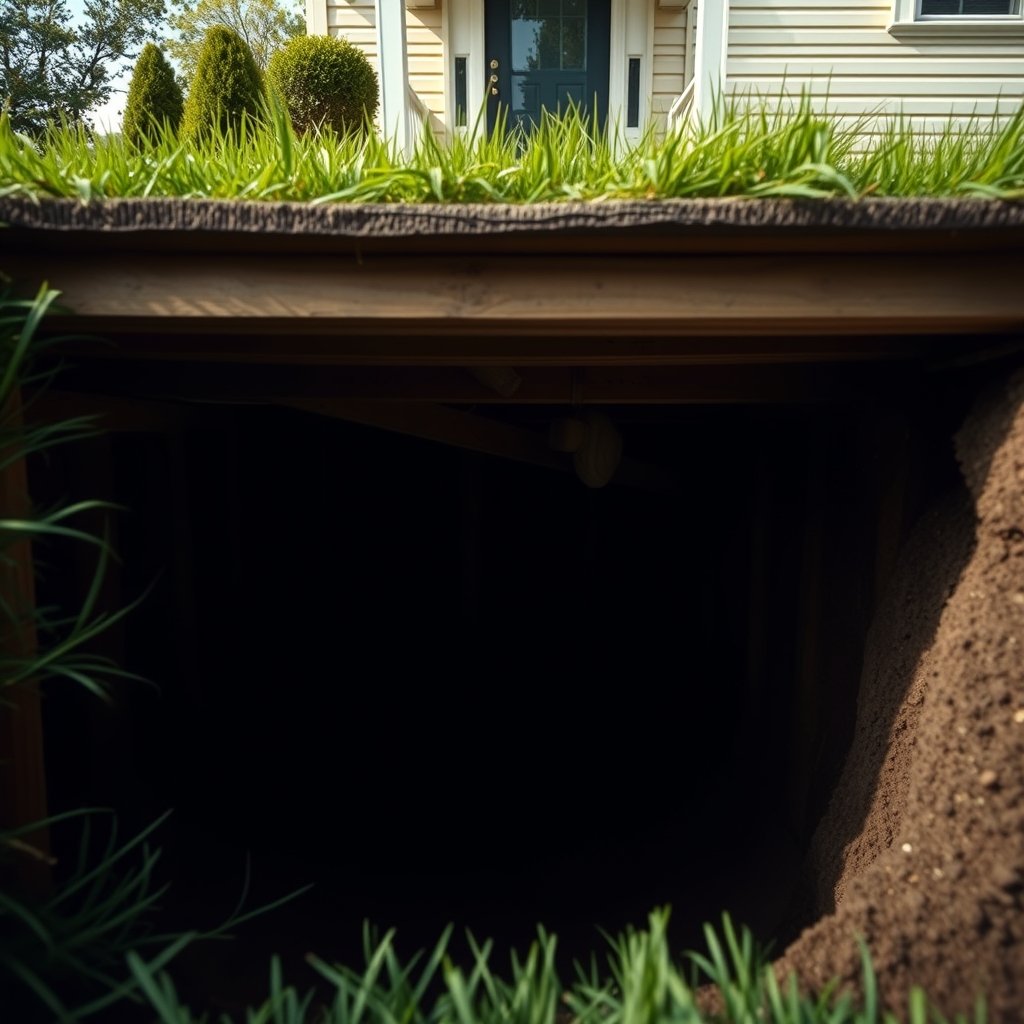
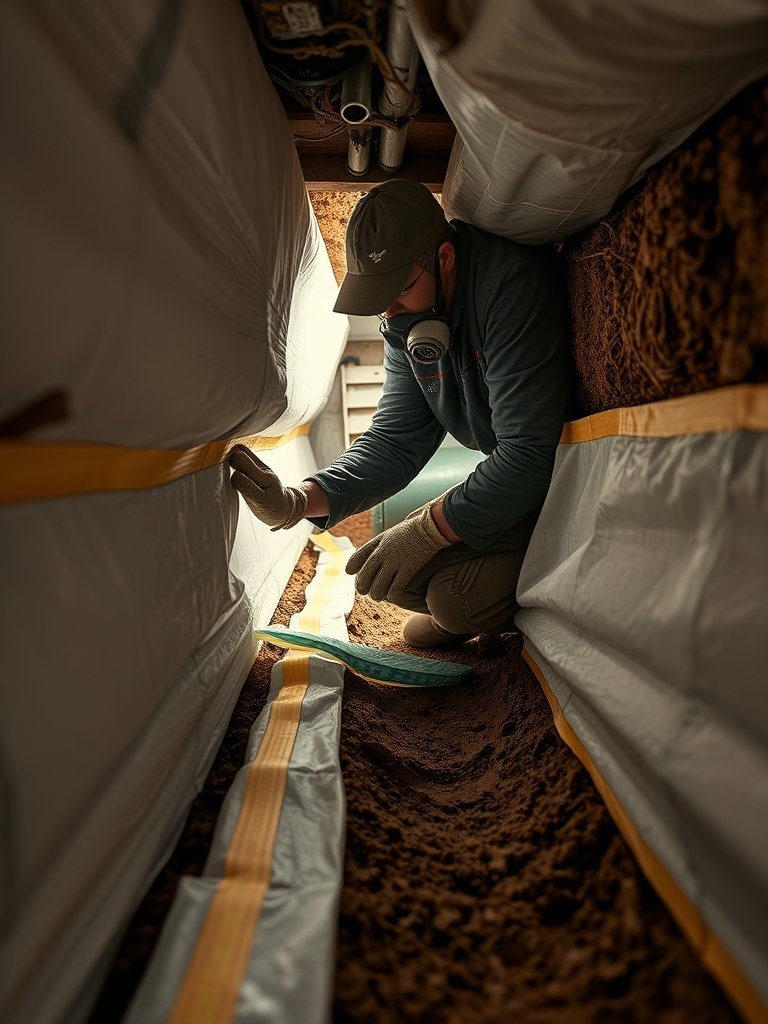
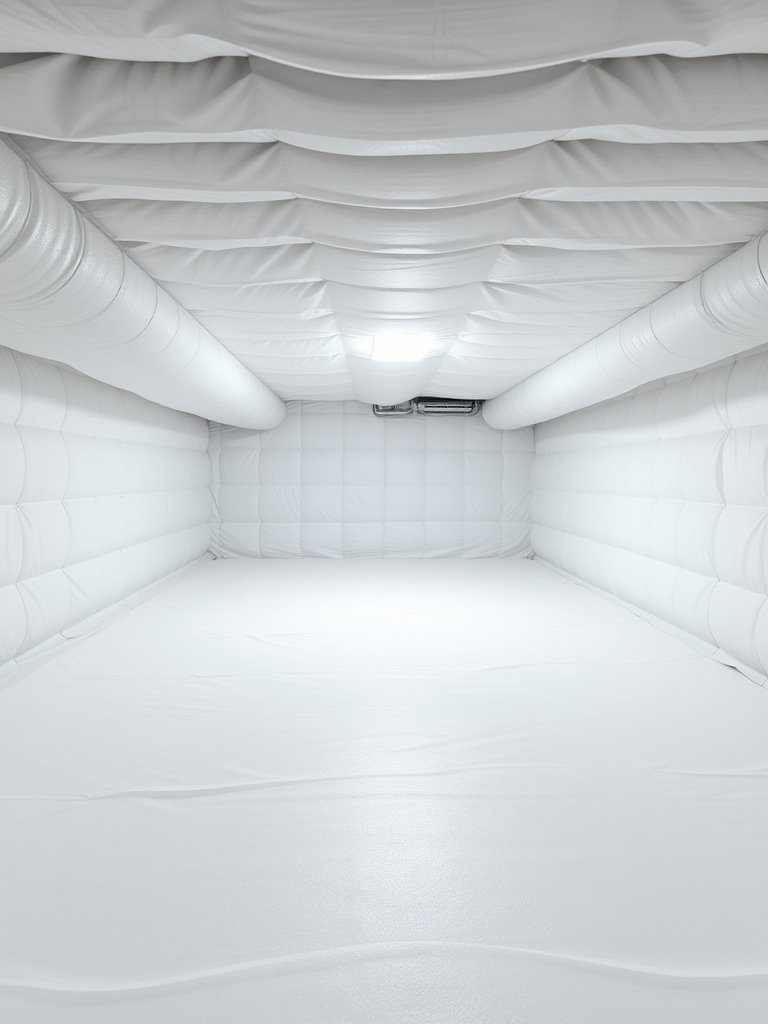
Crawl space encapsulation is the process of sealing the crawl space beneath your home using thick vapor barriers, insulation, waterproofing techniques, sump systems, and professional-grade dehumidifiers. The goal? Permanently eliminate ground moisture, mold, mildew, pest entry, wood rot, and air leaks from impacting your living environment or substructure. Encapsulation shines in homes with:
- Spongy or musty-smelling floorboards
- Visible mold, standing water, or high humidity readings
- Persistent HVAC or allergy issues
- Pest problems entering from below
It’s most often recommended if you’ve already found mold, moisture, or wood rot, or you want to prevent future structural and air quality issues—especially in humid or flood-prone regions. But, if your crawl space is bone dry, well-ventilated, and you have no odor or insulation issues, full encapsulation might not be required (a basic vapor barrier may suffice).
How much does crawl space encapsulation cost in 2024?
The nationwide average crawl space encapsulation cost is $5,500, but pricing ranges from $1,500 (simple, small, or partial jobs) up to $15,000 (large, complex, or fully compromised crawl spaces). Contractors typically quote by the square foot—expect $3–$7 per square foot as the normal range, but it can hit $10 per square foot if you have water damage, tricky access, or major remediation needs (source).
The main cost drivers:
- Labor: 50–70% of total project cost—more for tight or difficult spaces.
- Materials:
- Vapor barrier: $0.30–$0.70 per sq ft (source)
- Insulation: $1–$4.50 per sq ft
- Dehumidifier: $300–$1,500 (per device, depending on specs)
- Sealing caulks/tapes: $8–$15 each
- Additional systems: Sump pump/drainage ($800–$2,500 more if required)
- Permitting and code upgrades: $250–$2,000 depending on region
If you want to see a full breakdown by crawl space size:
| Crawl Space Size | Basic ($3/ft²) | Median ($5.50/ft²) | Heavy Remediation ($10/ft²) |
|---|---|---|---|
| 1,000 ft² | $3,000 | $5,500 | $10,000 |
| 1,500 ft² | $4,500 | $8,250 | $15,000 |
| 2,000 ft² | $6,000 | $11,000 | $20,000 |
Regional Pricing Tip: Southeast states (FL, NC, SC) cluster at $3–$7/ft², Midwest at $4–$9/ft², and the Northeast can reach $7–$12/ft² due to strict codes and higher wages (source).
Want more ways to get costs down? See detailed budgeting strategies in our Crawl Space Encapsulation Cost: 7 Best Ways To Save Money (Proven Guide).
- Schedule work outside rainy season if possible—contractors may offer easier booking and lower rates.
- Remove debris or stored items yourself to lower prep labor time.
- Vet for “all-in” quotes that guarantee no cost increases for mis-estimated material/labor quantities.
Advanced analysis and common pitfalls
Even with the best crawl space encapsulation system, ROI is destroyed by sloppy installation or overlooked maintenance. Top homeowner complaints (all well-documented):
- Persistent moisture or mold after encapsulation—usually due to missed water sources or cheap, thin vapor barrier (source).
- Poor sealing/lap joints that let pests or odors back in—often because contractors rush through tape, caulk, or insulation steps.
- Failed dehumidifiers—undersized units, or failing to service filters, lead to unseen humidity spikes and quick barrier degradation.
- Cost overruns from “scope creep”—not having water drainage or wood rot remediation in the fixed price contract.
- Long timelines that disrupt daily life—especially if multiple change orders are needed after hidden plumbing leaks are found.
| Material/Method | Cost per sq ft | Life Span (Years) | Typical Failure Mode | Labor Impact |
|---|---|---|---|---|
| Economy Polyethylene (6 mil) | $0.30–$0.40 | 3–6 | Tears, seam failures, punctures | Low |
| Reinforced Poly (12–20 mil geomembrane) | $0.50–$0.70 | 15–25 | Rare—usually only at plumbing intrusions | Medium |
| Spray Foam Insulation | $2.50–$4.50 | 20–30 | Poor coverage, termite risk if unmonitored | High |
| Foam Board/Panel | $1.00–$2.50 | 15–20 | Loose seams, edge gaps over time | Medium |
| Professional Dehumidifier (70–120 pt) | N/A | 5–10 | Clogged filters, pump failures | Install varies by layout |
Choosing a thicker, reinforced vapor barrier (minimum 12 mil in humid climates) and a pro-grade dehumidifier will often add $400–$1,200 to material cost—but may double the system’s life span and cut maintenance headaches in half. Since labor is the biggest line item of crawl space encapsulation cost, upgrading materials usually translates to better ROI than cutting corners.
For a deep dive into insulation material performance, check our Spray Foam Insulation Cost 2025 Guide.
Don’t neglect the crawl space after installation. Most competitors skip this, but a durable system needs these annual tasks:
- Replace/clean dehumidifier filters 2–3 times yearly
- Inspect vapor barrier for rips, gaps, or pooled water
- Check sump/drainage for proper flow
- Touch up seams or caulk if you spot deterioration
- Verify active warranty status and file inspection reports if required
To further bulletproof your project, download our home maintenance checklist and see what should be in your warranty folder in our comprehensive post-installation guide.
Conclusion
Done right, crawl space encapsulation stops moisture, boosts energy savings, and raises resale value. But cost, regional codes, and material choices can make or break your result—and your wallet. Use real unit cost benchmarks, demand thick vapor barriers and robust dehumidifiers, and follow a strict maintenance plan. Before you move forward, compare itemized quotes, insist on a warranty checklist, and ask your contractor the tough questions. Making your crawl space encapsulation project bulletproof is fully within your reach—just use the tools in this guide.
Ready for a detailed cost comparison or want to see how encapsulation stacks up against other energy upgrades? See our guides on home EV charger installation, whole home battery backup, or ADU garage conversion for major renovation ROI benchmarks.
Frequently Asked Questions
What is the average crawl space encapsulation cost per square foot?
Standard projects run $3–$7 per square foot, but severe water or mold issues can drive it to $10 per square foot.
How long does crawl space encapsulation take to install?
Most projects take 2–5 days, but complex jobs with drainage or mold remediation can extend to 1–2 weeks.
How often do I need to service the dehumidifier in my encapsulated crawl space?
Clean or replace filters every 4–6 months, and check pump/drain operation at least annually.
Will crawl space encapsulation eliminate all mold and pests?
Properly installed encapsulation blocks new moisture/pests, but any existing mold must be remediated up front—otherwise, it may return.
Does encapsulation reduce my energy bills?
Encapsulation reduces HVAC “overwork” and keeps floors warmer, with most owners saving 10–20% on heating/cooling each year.