

vertical garden planter tower systems are transforming the way urban gardeners grow herbs and vegetables in tight spaces. But not all towers are created equal, and failure to choose wisely can lead to leaks, unstable setups, dead plants, or wasted money. Here’s the practical guidance urban gardeners need to make a smart, trouble-free investment.
Key Takeaways
- Vertical garden planter towers let you grow more edibles in less space but vary widely in stability, irrigation quality, and true maintenance requirements.
- Common failure points include leaks, clogged pumps, and insufficient weight support—always check actual per-tier loads and irrigation design before buying.
- Choose models made from UV-stabilized HDPE or recycled PVC composite for durability; expect to spend extra on accessories and maintenance over time.
- Market Snapshot — Why Towers Matter in 2024
- How the Vertical/Stackable Segment Outpaces the Planter Market
- Common User Complaints (What to Avoid When Buying)
- Conclusion
- FAQ
Market Snapshot — Why Towers Matter in 2024
The global market for garden planters in 2024 hit nearly $9 billion, with vertical garden planter towers and stackable garden planter products now representing around 15 percent (about $1.3 billion), according to market research. This segment is growing two to three times faster than traditional planters, thanks to the continued rise of urban gardening, demand for sustainability, and a boom in hydroponic and self-watering tower designs.
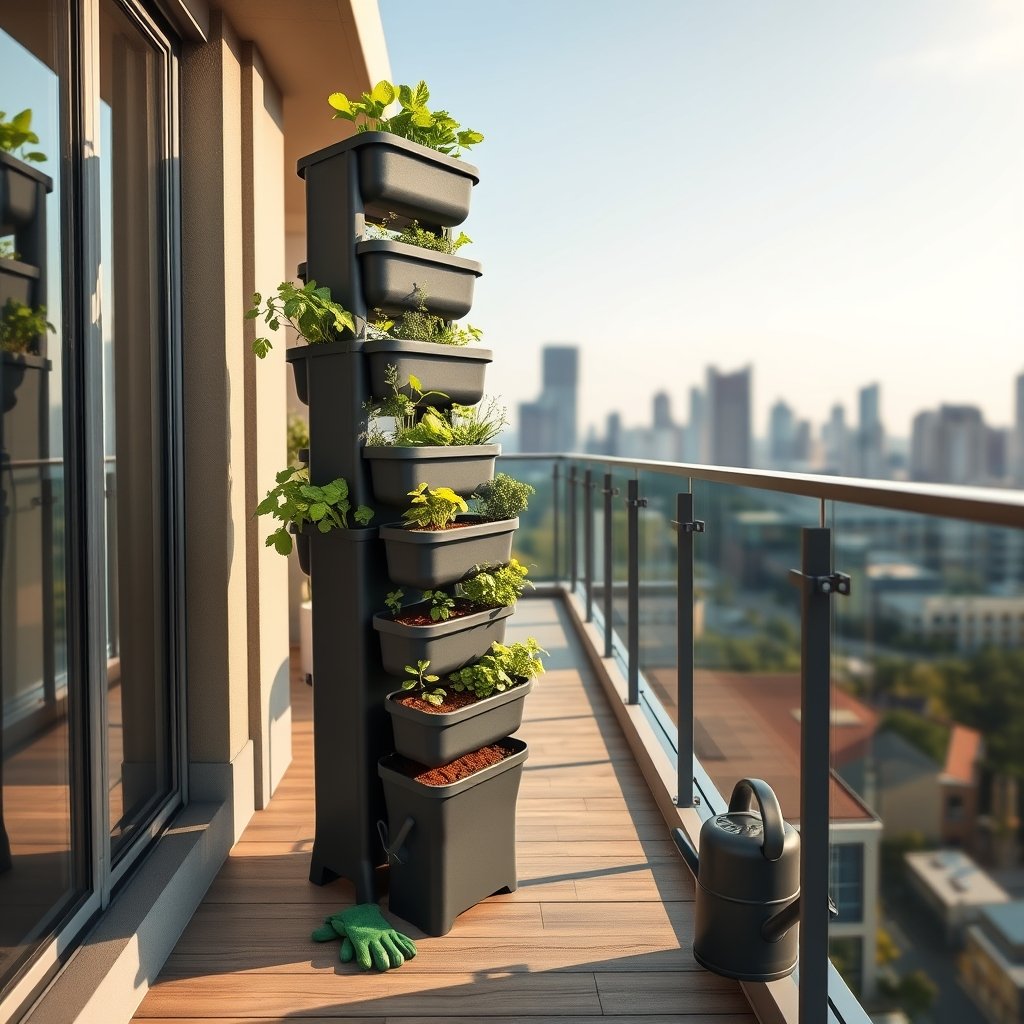
For city dwellers with a balcony, small patio, or limited sunlight, a thoughtfully chosen vertical garden planter tower provides year-round fresh greens with less mess and a much smaller footprint than horizontal beds or rail planters. But making a wise investment means understanding not just the benefits, but the structural and practical limitations of these systems.
How the Vertical/Stackable Segment Outpaces the Planter Market
The vertical/stackable planter category stands out for its innovation speed and adoption rates compared to basic pots or raised beds. While the overall garden planter market grows at about 3.8 percent annually (2025–2035), vertical garden planter tower systems are clocking in at 8–9 percent compound annual growth (2024–2028). This outperformance is attributed to:
- Surging interest in modular, space-maximizing designs for small homes.
- Preference for self-watering and hydroponic planting options—less manual work.
- Manufacturers prioritizing new features like recycled content and automated irrigation.
Most leading stackable garden planter products—such as Greenstalk or recent launches from Vita Gardens—use food-safe plastics (HDPE or PVC composite), and highlight “tool-free” assembly and all-inclusive irrigation kits. However, positive experiences hinge on matching your plant choices, weight loads, and watering habits to what your space and lifestyle actually support.
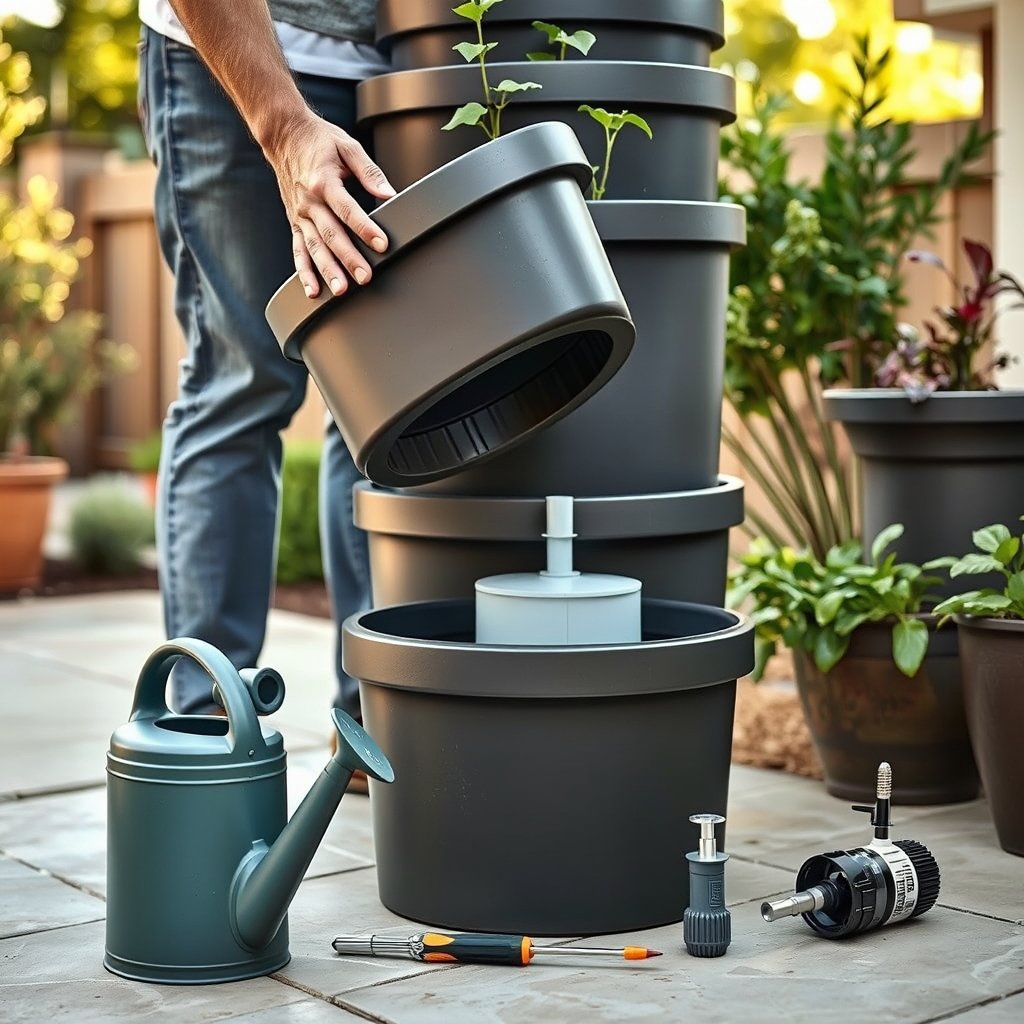
Beginner-friendly irrigation comes in three main forms:
- Wicking reservoirs (self-watering): Best for herbs and greens, easy to maintain but require periodic cleaning to prevent mold.
- Gravity-fed drip systems: Simple, low-maintenance, but dependent on correct assembly and level installation to avoid leaks.
- Pump-driven hydroponics: Suitable for strawberries, compact tomatoes, or salad mixes—highest yields, but more moving parts and power needs.
For practical planting, start with soft herbs (basil, parsley, mint), lettuces, spinach, and strawberries. For best results and lowest total cost of ownership, avoid growing heavy fruiting plants (large tomatoes, peppers) in upper tiers—these often exceed real-world weight limits and can destabilize the system.
Common User Complaints (What to Avoid When Buying)
Not all vertical garden planter towers are truly low-maintenance or cost-effective. Based on real user reviews and research, the most frequent complaints include:
- Leaks & Overflow: Poor seal design or sloppy assembly causes water to escape at each tier—leading to rot, slippery decks, and lost nutrients.
- Instability/Wobble: Many towers feel sturdy when empty but can rock or tip over when fully planted with moist soil and mature foliage, risking damage or spillage. Confirm manufacturer and independent reports on filled weight and whether anchoring is needed.
- Insufficient Weight Capacity: Ratings hover near 10–25 pounds per tier (often reaching 70–80 pounds total for a five-tier tower). Manufacturers sometimes exaggerate; always calculate how much soil and plant load you’ll truly put in each tier. Use published ratings and add a margin of safety.
- Clogged or Failing Drip Lines/Pumps: Drip emitters and hydroponic pumps require periodic cleaning; hard water or low-quality components lead to blockages and uneven watering. Only buy systems with readily available replacement parts.
- Confusing Assembly: Poorly illustrated instructions or missing parts frustrate many buyers. Look for brands that offer clear videos or local support.
| Failure Point | How to Test/Avoid | What to Demand |
|---|---|---|
| Leaks/Overflow | Fill all tiers with water without soil on setup day | Tier gaskets/seal rings, single-tube drainage, clear assembly video |
| Instability/Wobble | Gently rock fully loaded tower in place | Wide base, optional anchoring hardware, published weight specs |
| Clogged Drip or Pump | Test with soapy water; check flow at all tiers | Spare emitters included, accessible pump compartment |
| Insufficient Weight Capacity | Weigh soil/plant load per tier before planting | Per-tier and total load limit disclosure, warranty |
| Difficult Assembly | Count all parts and review full instructions before starting | Color-coded/numbered pieces, clear video, phone support |
Material choice is critical for long-term success. UV-stabilized HDPE and recycled PVC-composite outperform cheap, brittle plastics in sun-exposed installations. Modern stackable garden planter models from Vita Gardens and other brands increasingly use durable, recycled materials and offer modular add-ons. Accessories like bases, extra irrigation segments, or mobility wheels may be sold separately—always factor these into your real total cost of ownership.
Want to see more system options and design ideas? Check out our detailed vertical gardening systems renter guide and these other guides for practical inspiration:
- Pollinator garden quick start
- Smart irrigation system guide
- Composting bin selection tips
- Rain garden installation guide
Conclusion
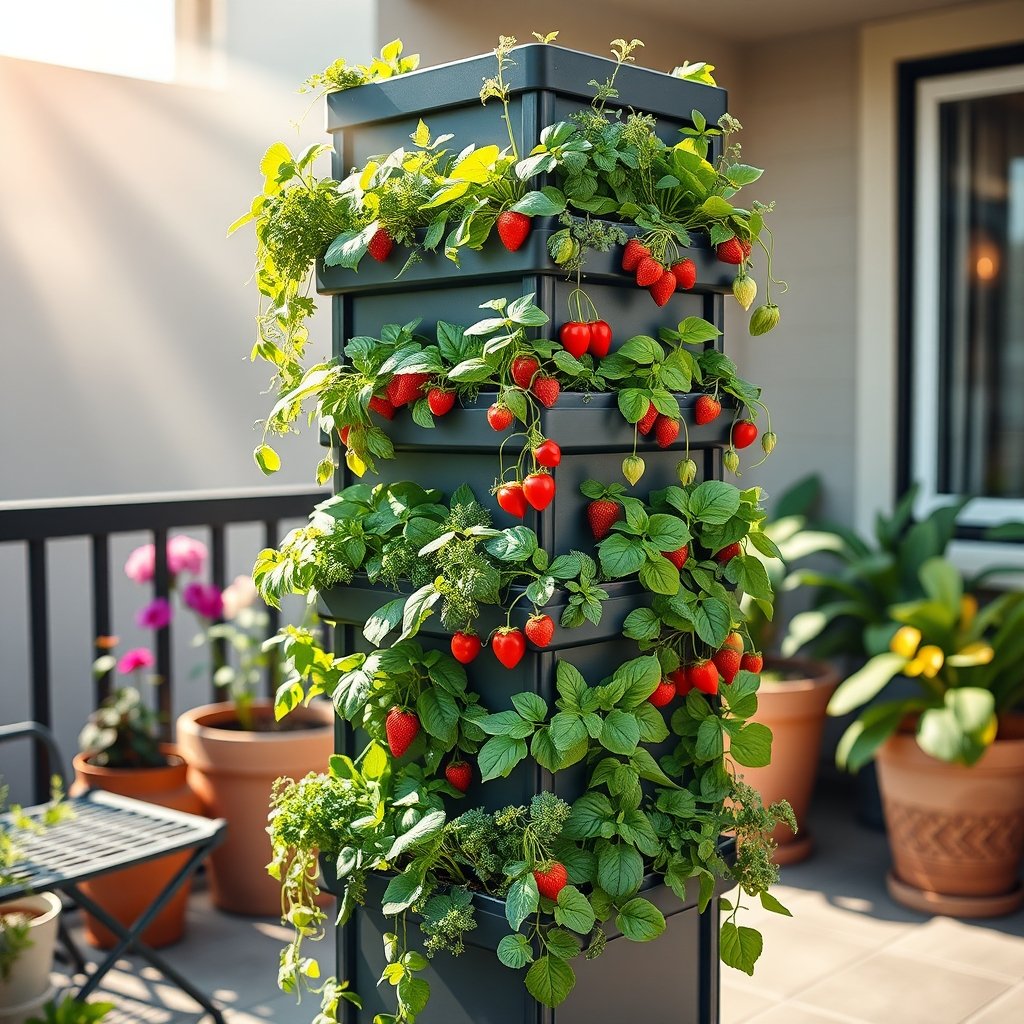
A vertical garden planter tower gives urban gardeners powerful space savings, but success depends on getting details right—solid weight ratings, reliable irrigation, proven materials, and support for long-term upkeep. Don’t take flashy marketing at face value; run through a checklist of real-world needs before you buy. If you’re ready to maximize your small-space harvest, research, measure, and invest accordingly—your plants (and patience) will thank you. Find the right vertical garden planter tower and grow smarter, not harder.
Ready to upgrade your gardening setup? Compare different towers, double-check load specs, and plan your accessories before ordering. Want more insider guides? Explore our renter’s guide to vertical gardening systems for more tried-and-true product tips.
FAQ
Are vertical garden planter towers suitable for balconies and small patios?
Yes, as long as you select a model with an appropriate footprint, stay within balcony weight limits, and confirm you have enough sunlight for your chosen plants.
How do I prevent leaks or overflow in my tower?
Assemble carefully according to the instructions, test with water only first, and check that all gaskets/rings are tightly sealed. Clean irrigation components regularly.
What kind of maintenance do these planters need?
Plan on flushing drip lines or pumps monthly, washing reservoirs to prevent algae, and watching for clogged emitters. Spare parts availability is a benefit for long-term use.
Can I grow heavy plants like large tomato varieties in a vertical planter tower?
It’s not recommended unless your tower is specifically rated for higher weight per tier. Most are best for shallow-rooted, lightweight plants such as herbs and small fruits.
Do I need extra accessories that aren’t included in the box?
Often, yes. Consider bases, caster wheels, irrigation timers, spare drip emitters or pumps, and sometimes anchoring hardware, depending on your space and chosen setup.