

Home battery storage system adoption has exploded as homeowners face rising energy costs and more frequent power outages. But is investing in a home battery backup for power outages actually worth it? Here’s what real homeowners, numbers, and cost-benefit analysis reveal—plus exactly how to make the smartest possible battery decision for your house.
Key Takeaways
- The global home battery storage system market hit $37 billion in 2024 with homeowner installations accelerating by 15-16% each year.
- Typical installed system costs range from $8,000–$40,000 and real annual bill reduction averages $300–$1,200—most payback periods land between 7 and 12 years in the best regions.
- Success depends on realistic sizing, vetting your installer, and understanding battery performance, replacement, warranties, and grid-integration options like VPPs.
- Why home battery storage matters now
- Market snapshot — adoption and growth by region
- Common homeowner experiences and complaints after installation
- Upfront costs, ongoing maintenance, replacement and typical savings
- Key technical specs to evaluate (capacity, lifespan, charge/discharge, warranties)
- Safety, permits, regulation and insurance: what to check before install
- Solar + battery versus battery-only (grid‑charged) — pros and cons
- How to size and spec a home battery backup for your house (practical checklist)
- Selecting a vendor and verifying performance claims
- Three high‑value questions most competitor articles are missing
- Bottom line — is a home battery backup worth it for you?
- FAQ
Why home battery storage matters now
Energy resilience is no longer just a nice-to-have feature. More homeowners are buying a home battery storage system to guard against rolling blackouts, storm outages, and ever-rising electricity rates. The global residential battery market hit roughly $37 billion in 2024 and is growing at 15–16% annually, with over 181,000 new home battery installations just in the past year alone.
With outages increasing and grid failures becoming more common—such as the 73% increase in average annual outage duration in the U.S. over the last decade—homeowners want both financial control and backup power. Pairing a home battery storage system with solar (or the grid) offers a real solution for both bill savings and worry-free blackouts.
Market snapshot — adoption and growth by region
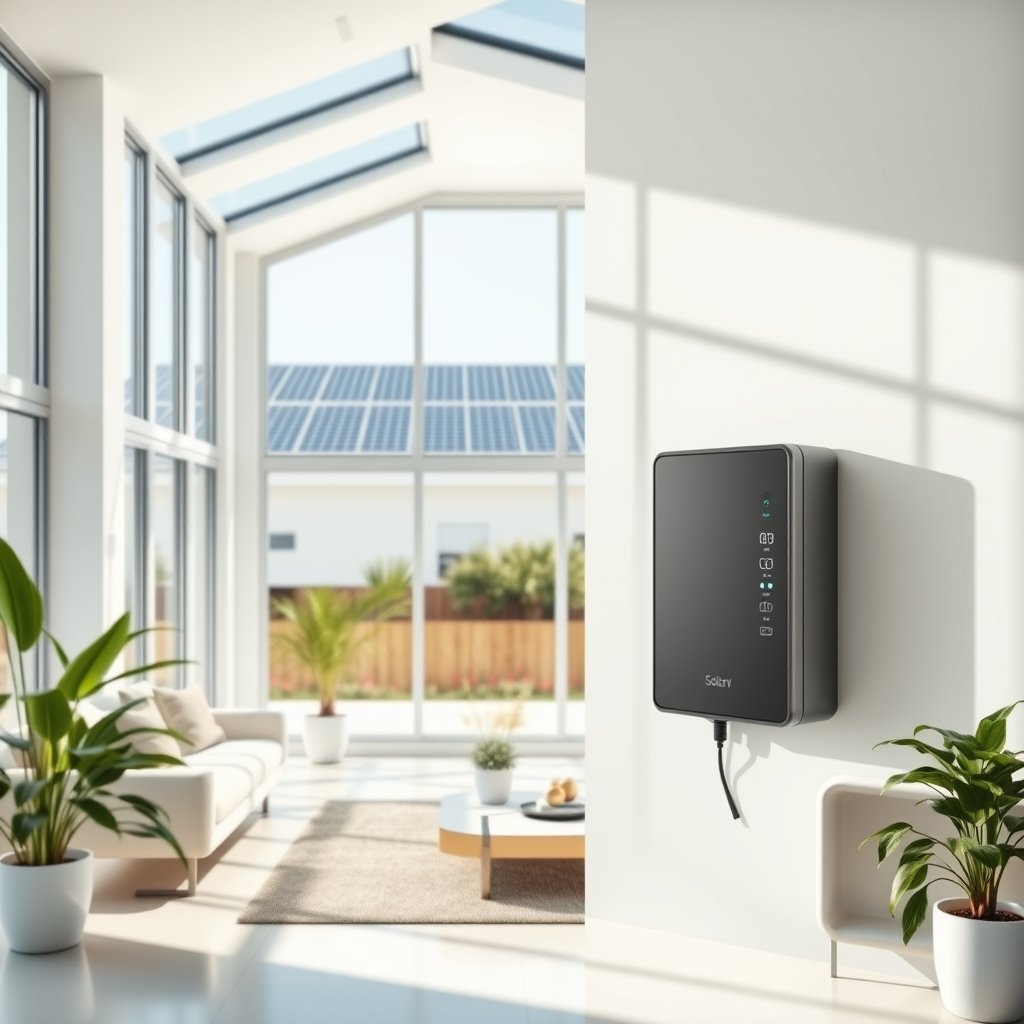
Who is buying home battery backup for power outages? China leads with about 25% of 2024’s new installations, followed by India (23%), Germany (21%), France (19%), the UK (17%), and the US (16%). The U.S. alone boasts over 50,000 Tesla Powerwalls enrolled in virtual power plants (VPPs), with another 30,000-40,000 units in similar programs in Europe and Australia. Regions with strong incentives and grid issues are seeing the fastest uptake.
VPP Trend: Enrolling in VPPs can offset part of the cost and even unlock new revenue streams. The VPP model is expanding rapidly, letting thousands of homeowners aggregate their batteries to provide grid services and earn money without sacrificing their own backup.
Common homeowner experiences and complaints after installation
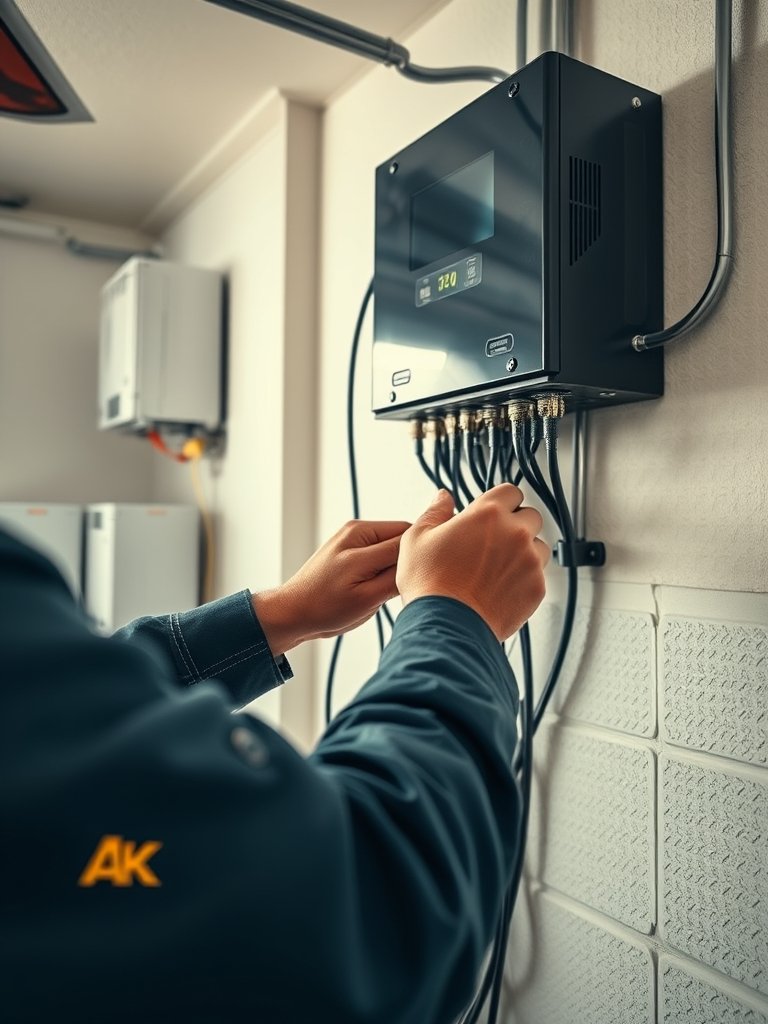
Not every home battery storage system user is delighted. Here’s where real-world complaints cluster—and what to expect if you go in blind:
- High Upfront Price: Even in 2024, the capital required ($8k-40k) can cause sticker shock—especially after quotes include permitting, labor, and soft costs.
- Limited Usable Capacity: “Whole house backup” usually means buying multiple battery modules, and many owners find the usable kWh is less than they expected. Don’t trust only the nameplate rating.
- Outage Performance vs. Reality: Reviews cite battery backup for power outages rarely matches the advertised durations—units sized for 1 day may only last 4–6 hours running HVAC, fridge, and internet.
- Battery Degradation: Capacity loss after 3–6 years is a common user complaint. Most batteries need replacement after 10–15 years, not the 20–25 sometimes claimed by salespeople.
- Permitting & Software Issues: Local codes, inverter errors, or laggy software updates can delay or derail installations. Some homeowners report weeks-to-months of extra hassle.
- Perceived Safety Risks: Fear of fire, leaks, or warranty gaps is not uncommon—especially for systems installed in garages or basements.
| Issue | % of Users Affected/Noted | Mitigation |
|---|---|---|
| Upfront cost shock | 75–85% | Demand 3+ quotes and verify all-cost breakdown. |
| Lower than expected backup duration | 40–50% | Size for critical loads and verify usable kWh. |
| Battery degradation/capacity loss after a few years | 20–35% | Check warranty and expected cycles; oversize slightly to account for loss. |
| Delayed permit/complex install | 20–30% | Choose an experienced, certified installer. |
| Inverter/software bugs | 10–15% | Pick vendors with active, regular updates. |
Upfront costs, ongoing maintenance, replacement and typical savings
Here’s the real math homeowners see when investing in a home battery backup for power outages:
- Battery Cost: ~$280/kWh for the battery pack only.
- Inverter Cost: ~$180/kWh.
- Permitting/Soft Costs & Labor: $6,000–$8,000 is typical for most professional jobs.
- Total Installed Cost: $8,000–$20,000 for 5–10 kWh (partial backup), $15,000–$40,000 for 10–20 kWh (whole-home backup).
- Annual Ongoing O&M: 2–3% of install price/year (monitoring and minor parts).
- Battery Replacement: $5,000–$10,000 after 10–15 years (not included in most “ROI” calculators).
- Annual Bill Reduction: $300–$1,200 via peak shaving, self-consumption.
- VPP/Grid Revenue: $150–$500/year for participating in grid services.
- Typical Payback Period: 7–12 years (best for solar owners, high rates, or VPP markets).
Want more detailed numbers? Check out our full whole home battery backup and solar battery backup system home cost analysis guides.
Key technical specs to evaluate (capacity, lifespan, charge/discharge, warranties)
The spec sheet matters—but it takes some decoding to know if a home battery storage system is right for you.
- Usable vs. Nameplate kWh: Always check the “usable capacity,” not just the maximum label (can be up to 15–30% lower).
- E/P Ratio (Duration): Typical system is 5 kW power with 2.5 E/P ratio (about 12–13 kWh battery). This defines how long backup lasts at full load.
- Round-trip Efficiency: Higher is better; most lithium systems run 85–98%.
- Cycle Life & Lifespan: Expect about 10–15 years of real-world use; factor this into replacement cost planning.
- Warranty: Scrutinize the fine print—look for a 10-year warranty covering at least 70–80% original capacity for lithium-ion units.
Specs not matching your needs? Consider asking for custom sizing or modular upgrades later.

Safety, permits, regulation and insurance: what to check before install
Don’t skip the crucial paperwork and home insurance checks:
- Permits & Soft Costs: Most projects require $6,000–$8,000 for labor, permitting, and engineering. Delays are common in areas new to battery installs.
- Fire & Safety: Ensure systems have UL, IEC, or equivalent certifications and are kept clear of water damage or ignition risks.
- Insurance: Notify your provider—battery install may affect coverage, liability, and home resale value.
- Regulatory Programs: Tap into local incentives (e.g., U.S. IRA ITC, California SGIP, Germany’s KfW, or the UK’s DESNZ), but only with compliant hardware and licensed installers. See state or national energy offices for up-to-date program links.
Want more tips? See our whole home battery backup guide for a deeper dive into compliance and paperwork.
Solar + battery versus battery-only (grid-charged) — pros and cons
Solar panels alone usually shut down during outages for lineworker safety, leaving homes dark. To actually ride through a grid failure, you need a home battery backup for power outages (ideally paired with solar).
Solar + battery allows you to recharge even when the grid is down, maximizing long-term savings and resilience. However, battery-only (grid-charged) systems can still deliver bill savings and backup—just for a shorter window during an extended outage.
- Solar + Battery
- True “island” backup for outages
- Annual bill savings: $300–$1,200
- VPP revenue: $150–$500/year
- Higher upfront cost, but better ROI where outages are frequent or sunshine is high
- Battery-Only (Grid-Charged)
- No solar required; easier retrofit in some homes
- Shorter backup duration, dependent on grid refills
- Still earns grid-service revenue in many markets
- Ideal for renters, older homes, or shaded properties
For a solar cost breakdown, see our solar panel roof installation cost guide.
How to size and spec a home battery backup for your house (practical checklist)
Here’s a quick sizing checklist for selecting the right home battery storage system—and what to ask an installer:
- List your “must run” devices during an outage (fridge, lights, routers, medical).
- Calculate total watt draw and how many hours you want them powered. Example: A 10kWh battery supplies about 1,000W for 10 hours total (less with AC loads).
- Account for depth of discharge—most batteries only allow 80–90% usable energy per cycle.
- Decide: partial backup (cheaper, runs a few circuits) vs. whole-house (more costly, full coverage).
- Pick an inverter and transfer switch rated for both normal use and surge loads.
- Check for “future ready” add-ons if you plan to go solar later.
- Get written quotes for 5kWh, 10kWh, and 15kWh systems to compare payback and fit.
Installer vetting? Use this quick list:
- Is the installer licensed, bonded, and listed as an approved installer for your battery brand?
- Will they handle all permits and utility paperwork?
- Can they document at least 20 similar installations?
- Does the contract specify manufacturer warranty, post-installation support, and network connectivity checks?
Selecting a vendor and verifying performance claims
The home battery storage system market is crowded and not all vendors are created equal. Before you pick a product or installer, demand:
- Third-party test data (not just glossy brochures). Look for UL or IEC listings, NREL test cases, or published VPP program participation.
- Transparent warranty terms—10 years and detailed cycle coverage (pay careful attention to the kWh delivered guarantee).
- Installer reputation: Check for online reviews, real-world install portfolios, and experience with VPP enrollments if you want extra grid income.
- Vendor ecosystem maturity: Utilities reporting 50k+ Tesla Powerwalls in programs can offer smoother experiences and better local support.
Got doubts? Ask for actual customer contacts and before-after bill savings summaries. For full battery vs. generator comparison, see our whole-home generator installation article.
Three high-value questions most competitor articles are missing
- How much will my battery degrade after 10 years?
Most home batteries lose 15–30% of initial capacity within the first decade, so sizing for future needs and budgeting for a $5,000–$10,000 replacement after 10–15 years is essential. - What happens in a multi-day outage?
Unless recharged by solar, most systems cover only 6–18 hours of power for critical loads. Layering in portable generators or grid assistance may be necessary—plan and budget accordingly. - How does installing a battery affect resale value and insurance?
In most high-grid-cost or frequent-outage regions, battery-equipped homes attract buyers—but you’ll need to disclose upgrades and check for insurance premium impacts. Store your installation paperwork and transfer warranty details.
Bottom line — is a home battery backup worth it for you?
Owning a home battery storage system is best for homeowners with high electricity rates, regular outages, or strong incentives. If you’re considering a home battery backup for power outages, expect upfront costs of $8,000–$40,000 and annual savings (plus VPP revenue) of $450–$1,700. Most see 7–12 year paybacks and added resilience during blackouts—but only if sized right and installed correctly.
Ready to start? Make a load list, get an energy audit, and gather at least three detailed installer quotes. Still on the fence? Explore our home battery backup system costs guide or home EV charger installation guide for side-by-side savings ideas.
FAQ
How long will a 10kWh home battery run my house during an outage?
A 10kWh battery typically powers only your essentials—fridge, WiFi, a few lights, outlets—for 8–12 hours. Running HVAC or electric stoves drains it much faster. For full-house backup, size up to 15–20kWh and combine with solar if possible.
Can I install a home battery backup system without solar panels?
Yes. Many homeowners now install battery-only, grid-charged systems to save on bills and protect against outages, though you cannot recharge during blackouts unless you have solar or a generator. Battery-only is great for renters or shaded properties.
What’s the true maintenance cost for home battery storage?
Plan for 2–3% of install cost each year (monitoring, parts) and $5,000–$10,000 for replacement after 10–15 years. Factor these into your ROI or cost-of-ownership calculations.
Are there incentives or rebates for residential batteries?
Yes—federal tax credits (like the 30% IRA ITC), plus state or utility rebates (California SGIP, Germany KfW, UK DESNZ, etc.). Check your local programs—stacking multiple can slash payback time.
Can battery backup increase my home’s resale value?
In high-rate, frequent-outage areas, battery systems can boost appeal and value. Be sure to document the install, warranty transfers, and notify your home insurer for proper coverage.