

Mini split heat pump systems are now the most efficient option for residential heating and cooling, but real-world homeowners still face tough questions on true costs, contractor pitfalls, and how fast the changing market will affect your investment. If you’re weighing a swap from electric resistance or window AC, or upgrading a room without ductwork, this data-driven guide is for you.
Key Takeaways
- Mini split heat pumps offer top-tier energy efficiency and flexible installation but have higher upfront costs than traditional systems.
- True project costs often climb to $4000+ due to labor, electrical work, and “hidden” upgrades—regional and system-size variables matter.
- Policy incentives, skilled installer shortages, and regional price swings make research and clear quotes critical in 2024 and beyond.
- Why Choose a Mini Split Heat Pump Today?
- Market Trends and Adoption — What 2024 and Beyond Look Like
- True Cost to Expect: Equipment, Labor, and Hidden Fees
- Common Homeowner Complaints, Regrets, and How to Avoid Them
- Technical Specifications That Matter (What to Check on the Spec Sheet)
- Top Installation Mistakes That Cut Efficiency or Cause Failure — Contractor Checklist
- Permits, Hidden Fees, and Realistic Timeline from Purchase to First Heat
- Regional Considerations — When Costs & Performance Diverge
- Financing, Rebates, and Policy Incentives — Where to Look in 2024
- Long-term ROI and Operational Expectations
- Top 3 Crucial Sub-topics Competitors Overlook
- Quick Checklist: 10 Questions to Ask Before Signing a Ductless Mini Split Installation Quote
- Resources & Next Steps
- FAQ
Why Choose a Mini Split Heat Pump Today?
Mini split heat pump systems stand out for energy savings, precise room by room comfort, and easy retrofitting into homes without ducts. Compared to window units or baseboard heaters, a ductless mini split installation is the fastest way to add high-efficiency heating and cooling in older homes or additions. Yes, you invest more up front—but ongoing energy use is often 20%–30% lower than with older ACs, with single-zone models reaching SEER2 ratings up to 35.1 and HSPF2 up to 30 (Ductless Heat Pump Market Report).
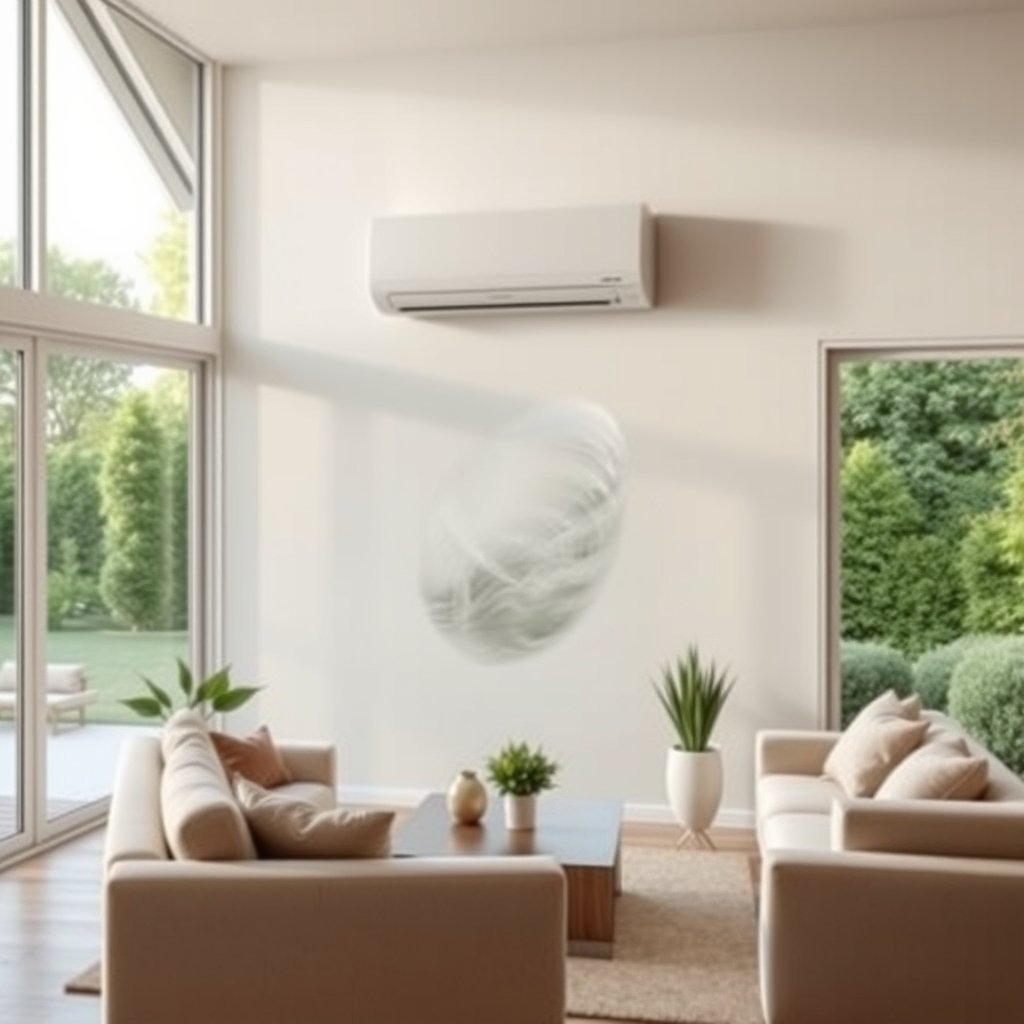
Upfront cost is the main hurdle. However, mini splits deliver lower monthly bills and are often eligible for rebates and policy incentives. For homes where ductwork would require major construction, or when you want independent climate control per zone, mini split heat pumps are the practical solution.
Market Trends and Adoption — What 2024 and Beyond Look Like
The mini split heat pump market is accelerating. The US ductless segment is projected to reach about $3.8 billion, with global residential revenues nearing $18.8 billion by 2034. Annual growth rates are estimated at 8%–9.5% through 2034 (Global Market Research Report). Over 47% of new installs are now retrofits: homeowners replacing aging electric resistance or adding comfort to additions. Already, more than 20% of new US homes include pre-installed mini splits. Contractor shortages are real, so prices rise in peak seasons and in areas with high demand.
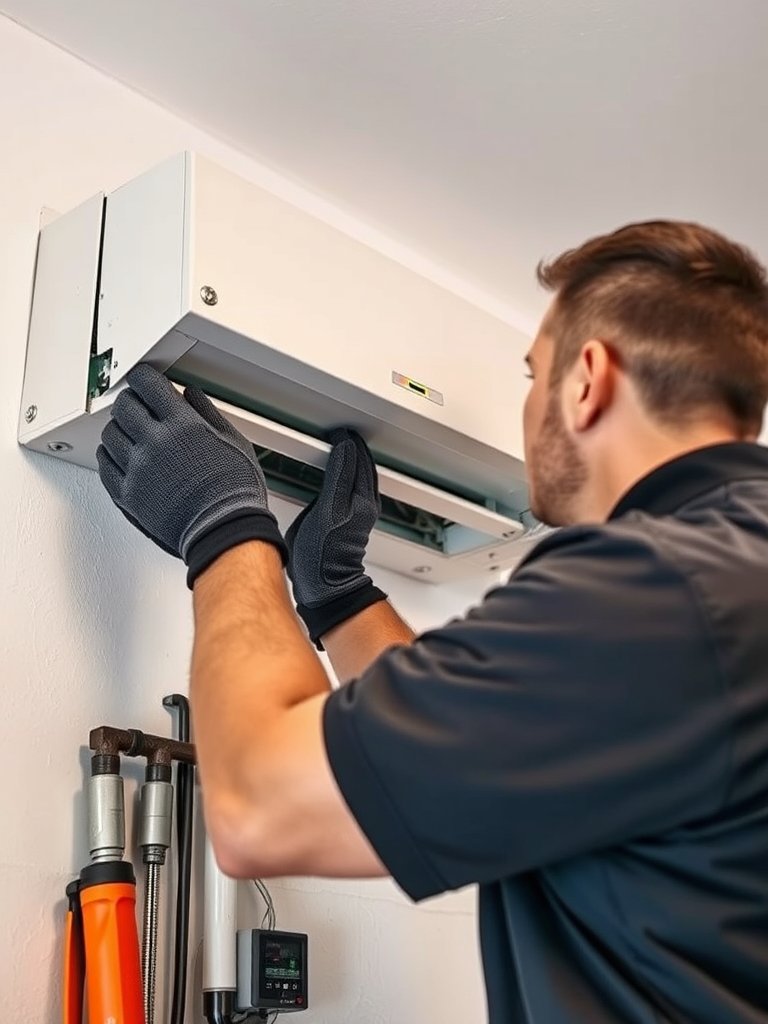
Planning ahead is critical. As more cities update building codes and utilities run rebate programs, the best deals and contractors are often claimed early. If maximizing ROI is your goal, market signals indicate now is a smart time to act—before future labor and supply constraints creep in.
True Cost to Expect: Equipment, Labor, and Hidden Fees
Forget teaser prices. The real cost of a ductless mini split installation depends on system size, regional labor rates, electrical work, permit fees, and add-on requirements. Here’s a detailed breakdown for a typical single-zone install:
| Item | National Baseline | Notes |
|---|---|---|
| Heat pump unit | $1,750 | Single-zone, ~1 ton (12,000 BTU) |
| Materials (line-set, brackets, etc.) | $210 | Includes wall mounting and basic line hide |
| Labor (installation) | $1,280 | Two installers, ~5 hours each |
| Electrical work | $725 | Includes 240V wiring & panel connection |
| BASE TOTAL | ≈$3,965 |
Larger multi-zone setups, line-set runs exceeding 30 feet, wall reinforcement, or panel upgrades can push costs as high as $10,500. On the other hand, a simple installation in a low-cost region may land closer to $2,000 (Source: GreenBuildingAdvisor, Carrier).
Permits, extended line-set, and post-install service fees often surprise buyers. Always request a full written quote with line-set length limits and a clear explanation of upcharge triggers.
Common Homeowner Complaints, Regrets, and How to Avoid Them
The biggest regret for many? Not budgeting for all the little extras. Here’s what homeowners actually report:
- High upfront price—and surprise add-ons (permits, extra refrigerant, electrical work).
- Noisy indoor heads—usually from poor selection or cheap models.
- Poor unit placement—leads to “dead spots” or airflow discomfort.
- Oversizing—results in “short cycling” that actually wastes energy and reduces comfort (GREE Comfort).
- Refrigerant leaks—drive up utility bills and require costly repairs if line-sets are poorly installed.
Prevention strategies:
- Get load calculations for proper sizing (never just use square footage rules of thumb).
- Ask to see a full list of all possible upcharges—especially for longer line-sets and panel upgrades.
- Insist installers confirm low-noise ratings before signing (or specify a preferred manufacturer/model).
- Request a post-install airflow check in each zone.
- Verify contractors are certified—labor quality matters more than SEER ratings for long-term ROI. (See our contractor vetting guide.)
For more on hidden installation costs and how to avoid the worst mistakes, see our guide to home EV charger installation—many pitfalls translate directly to HVAC upgrades.
Technical Specifications That Matter (What to Check on the Spec Sheet)
Every mini split heat pump may look similar, but crucial numbers determine comfort, efficiency, and eligibility for rebates.
- SEER2 / HSPF2: Aim for SEER2 (cooling) of 20+ (top models hit 35.1), and HSPF2 (heating) of 10+ (top models up to 30). Source
- Inverter technology: Units with inverter-driven compressors use 20%–30% less electricity than non-inverter types.
- Capacity sizing: 1 ton = 12,000 BTU. Match capacity to load, not just room size.
- Refrigerant family: R-410A is standard; some new models use lower GWP refrigerant. Confirm what’s used.
- Low outdoor temp heating: Not all models heat well below 5°F. Check manufacturer data for “minimum operating temperature.” (For example, the Mitsubishi MSZ-FS12NA provides rated heat down to 5°F.)
- Noise: Quiet indoor heads operate at or below 23 dB; always check the manufacturer spec sheet.
Ask for product cut sheets and confirm performance at your required minimum outdoor temperature. If you are installing for a rental or ADU, review guide: ADU garage conversion cost guide.
Top Installation Mistakes That Cut Efficiency or Cause Failure — Contractor Checklist
Nearly half of “not working right” calls are due to one of these avoidable errors:
- Improper sizing — leads to short-cycling and poor dehumidification.
- Bad line-set routing — excessively long or kinked lines cause pressure drops and loss of capacity.
- Poor refrigerant charge or leak handling.
- Undersized electrical service or skipped code-required GFI outlets.
- Poor indoor head placement—trapped behind curtains or blocked by furniture.
- Skipping system evacuation or using quick-couplings instead of proper brazing.
At minimum, your contractor’s checklist should include:
- Manual J or similar load calculation for sizing
- Pre-install survey (line-set routes, electrical path, wall strength)
- Vacuum pull and tightness test before charging refrigerant
- Post-install measurement of airflow and temperature per zone
- Full startup and registration for warranty
This hands-on diligence can save you thousands in callbacks, leaks, and performance issues.
Permits, Hidden Fees, and Realistic Timeline from Purchase to First Heat
Too often, buyers underestimate the red tape. Most cities require:
- Electrical permit for new 240V circuits
- HVAC/mechanical permit for any new condenser installation
- Inspection by the local authority before turning on
Typical permit fees run $75–$300; inspections can add 3–14 days depending on local backlogs. Wall reinforcement, long line-set runs, extra refrigerant handling, and electrical panel upgrades are the most common hidden costs (Market Research Source).
Allow 2–5 weeks from signed contract to first use—and insist your quote clarifies who pulls permits and handles utility coordination. For parallel insight, browse our crawl space encapsulation cost guide where regulatory hurdles and hidden add-ons often extend project timelines.
Regional Considerations — When Costs & Performance Diverge
Location makes a real difference. Here’s a quick-look at how US regions stack up on cost and performance:
| Region | Cost Range* | Performance Notes |
|---|---|---|
| Northeast | 1.15x – 1.4x national baseline (≈$4,500 – $5,600+ for typical) | Colder climate, high labor rates, often needs high HSPF2 models for low-temp heat |
| Midwest | ≈ National baseline ($4,000) | Heating and cooling split, electricity prices average, check local utility rebates |
| South | 0.9x baseline ($3,500 – $4,000) | Lower labor rates, focus on high SEER2 for hot summers |
| West | 1.05x – 1.3x baseline ($4,200 – $5,100+) | Larger retrofit share, frequent electrical upgrades, incentives abundant in CA/WA/OR |
*Base example ≈ $3,965; nationwide range ≈ $2,000–$10,500 depending on region and complexity.
Climate also matters for heating output: in the Northeast, ensure model is rated for cold-climate operation. In the humid South, verify dehumidification specs. For broader regional utility trends, see our post: heat pump water heater rebate guide.
Financing, Rebates, and Policy Incentives — Where to Look in 2024
Federal, state, and utility incentives are making ductless mini split installation easier on the wallet—but programs change by ZIP. The 25C federal tax credit covers up to 30% of eligible costs on qualifying models. States like CA, NY, and MA also run generous rebates for ENERGY STAR heat pump systems. Local utilities sometimes offer bonuses for “electrifying” heating or replacing baseboard heaters. Main financing paths include:
- Home equity lines of credit (HELOCs)
- Zero-down or low-interest contractor financing
- Energy-efficiency loans from credit unions or state Green Banks
Check with your city energy office, or use the DOE Rebate Finder to see what’s stackable in your area. With “smart city” policy support and new energy codes accelerating demand (Industry source), rebates are expected to stay robust through at least 2026.
For further reading: see our solar panel roof installation cost guide for tips on stacking incentives for whole-home upgrades.
Long-term ROI and Operational Expectations
Mini split heat pump systems with inverter compressors routinely help households cut energy use by up to 30% vs. older window ACs or electric resistance heaters (Market Report).
- Payback timelines typically run 5–9 years, depending on local electricity rates and cooling/heating load.
- Maintenance is straightforward—wash or replace filters every 2–3 months, get refrigerant checked/serviced every 2–3 years.
- Lifespan: With proper installation and annual tune-up, expect 12–20 years of reliable operation.
If you plan to sell your home, listing modern mini split heat pump zones is likely to be an ROI-positive feature for energy-conscious buyers.
Top 3 Crucial Sub-topics Competitors Overlook
- Retrofit realities: The cost and complexity of running long line-sets, drilling through solid walls, and patching blends, especially in older or block-wall houses. Retrofit installations will account for over 47% of total market installs by 2034 (Market Forecast).
- Short cycling and refrigerant leaks: Short cycling is more than a comfort issue—it can add 10%+ to your annual power bill. Refrigerant leaks not only spike costs but can threaten system longevity. Ask about leak detection warranties.
- Labor and skills gap: There’s a shortage of qualified installers nationwide. Always check for certifications, ask about specific ductless project experience, and get warranty details in writing. (See: how to vet home pros.)

Quick Checklist: 10 Questions to Ask Before Signing a Ductless Mini Split Installation Quote
- How was the system size calculated—Manual J load or square footage estimate?
- What SEER2 & HSPF2 ratings are quoted for each zone?
- Is the indoor unit inverter-type or fixed-speed?
- What’s the full cost breakdown? (Unit, labor, electrical, materials, permit, etc.)
- Is the quoted price valid up to a specific line-set length? What happens if more is needed?
- Who pulls and pays for all necessary permits?
- What’s the parts and labor warranty, and how is service requested?
- Which refrigerant will be used? Is it low-GWP?
- Are electrical panel upgrades or GFI outlets included, if needed?
- Will performance be checked and shown after install (airflow, noise, and temperature by zone)?
Example base cost: heat pump $1,750; materials $210; labor $1,280; electrical $725—approximately $4,000. Always get it in writing!
Resources & Next Steps
- Compare real-world models and specs: DOE Ductless Mini Split Guide
- Check your local utility for rebates: DSIREUSA Rebate Database
- Find installer directories: see manufacturer sites (e.g., Mitsubishi, Daikin, Fujitsu) or search for accredited pros on ENERGY STAR’s Find an Installer page
- Download product spec sheets before making a final call. Always review minimum temp and noise specs.
Curious how heat pump water heaters fit with a mini split system? See our cost breakdown for heat pump water heaters to understand whole-home electrification strategies. For resale boost strategies, see the crawl space encapsulation savings guide.
FAQ
Do mini split heat pumps work well in cold climates?
Yes, but only certain models provide reliable heat below 5°F. Always check the spec sheet for “minimum outdoor temperature” and consider a backup heat source if you live in the far north.
How many zones do I need for my house?
One zone equals one room or open space with its own air handler. Most homes retrofit 1–3 zones but large homes can go to 5–8. The more zones, the higher the installation cost.
What kind of maintenance do mini split heat pumps need?
Clean or replace the air filters every 2–3 months and schedule refrigerant and system checks every 2–3 years. Maintenance is generally simpler than central systems.
Is a ductless mini split installation noisy?
Top models are very quiet (as low as 22 dB), but noisy heads are possible if you choose low-end brands or install incorrectly. Always specify noise criteria in your contract.
Will installing a mini split heat pump increase my home’s value?
For energy-conscious buyers, yes. Modern ductless systems are increasingly sought after for comfort, efficiency, and electrification readiness.