

Window well egress is one of those must-do upgrades every homeowner finishing a basement simply can’t skip. Whether you’re adding a bedroom, legalizing a space, or just aiming for safety and resale value, understanding true costs and code rules is absolutely critical—and getting it wrong can mean water in your basement or a failed inspection when you need it least.
Key Takeaways
- Nationally, most egress window installations with window wells cost $2,700–$5,900, but prices swing by region and complexity—premium metro installs easily hit $10,000+.
- The 2026 IRC code is non-negotiable: 5.7 sq ft clear opening, sill max 44″, minimum well floor area 9 sq ft, must have approved drainage, and wells deeper than 44″ require ladders or steps.
- Biggest surprises are water drainage misses, permit delays, and hidden costs for landscaping or header engineering—always plan for these up front.
- What is a Window Well Egress and Why Homeowners Need to Get It Right
- Step-by-Step Guide: How to Tackle Egress Window Installation (Safely and Legally)
- Advanced Analysis & Common Pitfalls: Don’t Get Burned on Your Basement
- Conclusion: Making Egress Compliance Simple and Predictable
- FAQ: Window Well Egress and Egress Window Installation Cost
What is a Window Well Egress and Why Homeowners Need to Get It Right
A window well egress covers allows safe exit from a basement in a fire and is a strict legal requirement for any space used as a sleeping room. It’s not just about code—done right, it protects your home value, keeps insurance valid, and avoids ugly, post-renovation headaches with flooding, failed inspections, or denied occupancy permits.
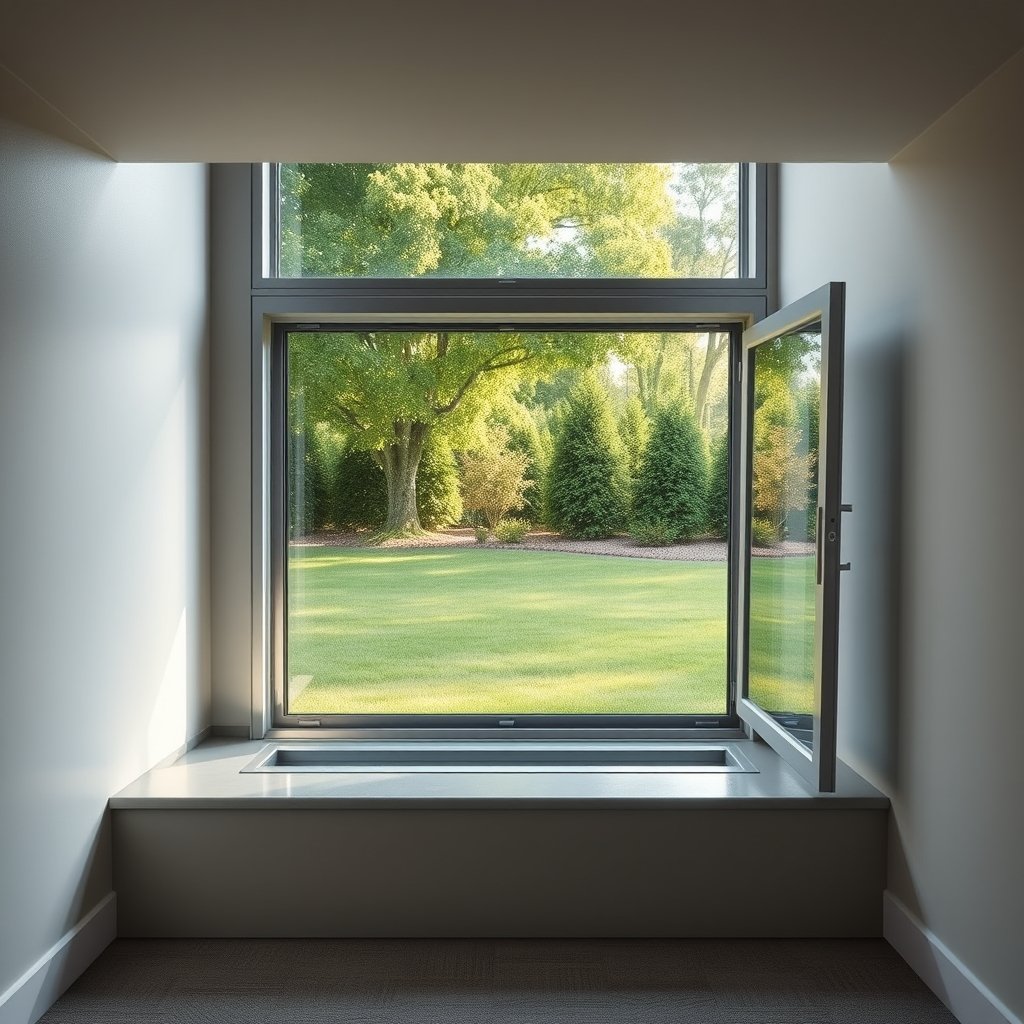
Across the US, 2024–2026 installation costs cluster in the $2,700–$5,900 band for most homes, but high-complexity or premium metro projects can exceed $10,000. On average, you’re looking at about $3,850–$4,229 per window after permits, drainage, and labor (Source: The Basement Guide). If you live in the Northeast, Long Island, or select New Jersey counties, window well egress installs routinely push $6,000 or even $10,000 for deeper foundation cuts or custom wells. By contrast, projects in the Midwest or the South are typically much closer to the low end unless you face tricky soil or drainage.
| Region | Typical Installed Cost | Common Range | High/Complex |
|---|---|---|---|
| Midwest/South | $2,600–$5,800 | $2,700–$5,900 | $6,000+ |
| West Coast | $3,000–$6,500 | $3,000–$6,500 | $7,500+ |
| Northeast | $4,500–$7,500 | $5,000–$7,500 | $10,000+ |
| Premium Metro (Long Island, NJ) | $6,000–$10,000 | $7,000–$10,000 | $12,000+ |
| National Average | $4,200–$7,000 (most jobs $2,700–$5,900, extreme jobs $10,000+) | ||
Keep in mind: Premium materials, deep excavation, large window sizes, and code-required foundation reinforcements are what push projects to the high end.
For a deeper dive into project budgeting and how these upgrades stack up to other home improvements, see our crawl space encapsulation cost breakdown or our ADU garage conversion cost guide.
Step-by-Step Guide: How to Tackle Egress Window Installation (Safely and Legally)
- Verify your basement’s eligibility. Confirm your target space meets local and 2026 IRC egress window requirements: minimum opening size, sill height, and well area.
- Get a site utility locate. Never dig until all gas, electrical, and water lines are marked. This is standard and free with most 811 services.
- Gather all required documents. These typically include site plan, product spec sheets, header engineering (if needed), and a full drainage design (sump tie-in or perimeter).
- Secure your permit. Submit documents to your building department. Permit and inspection fees generally add $150–$600, but complex cities may be higher.
- Excavate and prep the window well. This is labor-intensive—expect to remove 2–4 cubic yards of soil for a standard window. Prepare for extra time if you hit rock or tree roots.
- Cut the foundation and install reinforcement. Only experienced pros should cut structural walls. Many jobs require an engineered steel header.
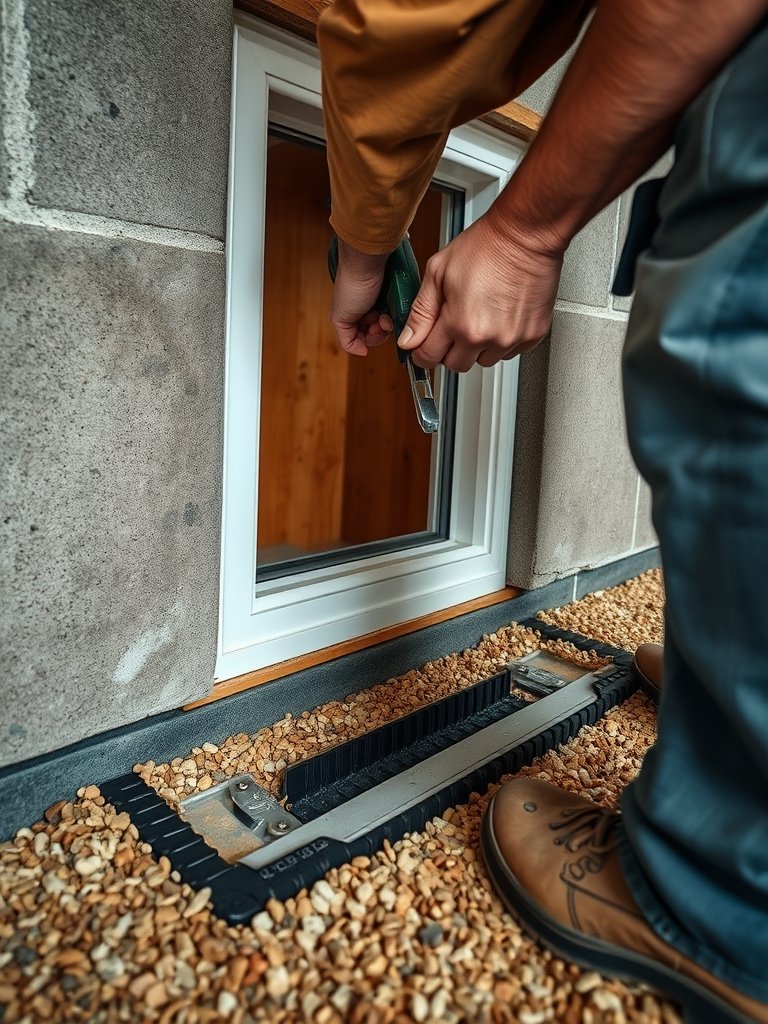
- Install the new window and well. Confirm dimensions match your building department’s code and the well area is at least 9 sq ft (3 ft x 3 ft) with approved drainage.
- Tie in drainage and backfill. Gravel base, tie-ins to sump tie-in or perimeter drain, and proper compaction protect against future water problems.
- Schedule inspections. Pass rough and final inspections before finishing interior trim or drywall repairs.
- Finalize finish work and landscaping. Interior trims, drywall, exterior grading, and yard repair are typically not included in base contractor bids—budget separately.
Detailed Cost Breakdown (2024–2026)
| Cost Component | Percent of Total | Typical Range |
|---|---|---|
| Excavation & Demo | 35%–45% | $900–$2,100 |
| Foundation Cut & Header | 18%–25% | $600–$1,600 |
| Window Unit | 10%–18% | $300–$1,100 |
| Window Well & Cover | 10%–16% | $300–$950 |
| Drainage Tie-in | 7%–12% | $250–$900 |
| Finish, Landscaping, Permits | 8%–15% | $300–$900 |
What Drives Higher Costs?
- Deep window wells (more soil to move, more safety gear, ladders required)
- Clay or rocky soil, tree roots, or nearby utilities
- Premium window types (large casements, heavy-duty covers)
- Foundation reinforcement for wider windows
- Landscaping and regrading to fix drainage or curb appeal
Want to see how these costs compare to another classic home upgrade? Check out our real-world home EV charger installation cost breakdown.
Advanced Analysis & Common Pitfalls: Don’t Get Burned on Your Basement
Even homeowners who plan and budget for their window well egress projects still face some avoidable (and expensive) issues. Here are the ones that crop up most often, and how you can sidestep them:
| Pitfall | Prevention/Mitigation |
|---|---|
| Permitting/Code Surprises | Bring exact window and well specs to the inspector, confirm before ordering, check for local amendments. |
| Excavation Delays | Schedule buffer days for utility conflicts, rocks or large roots, and rain; request utility locate in advance. |
| Water Pooling in Well | Always specify a drain to sump or perimeter pipe; avoid blocked or shallow drains. |
| Failed Drainage/Systemic Leaks | Require a written drainage warranty from your installer. |
| Mismatched Well Dimensions | Measure twice, verify on site, and do not cut until inspector confirms—returning custom wells is expensive. |
| Hidden Costs: Landscaping, Header Engineering | Ask for line-item estimates and clarify what’s not included in base install quotes. |
- No written drainage plan or warranty included
- Contractor says permits “aren’t needed for basements” (always check!)
- You’re told anything besides an engineered header “should be fine” for wider windows
- Inspections or code measurements are “handled at the end” instead of checked first
Window Type: Does It Change the Cost?
- Casement windows: Usually maximize the clear opening for a given rough cut, but cost $300–$600 more than sliders; good when space is tight.
- Slider windows: Cheaper, but sometimes need a larger rough opening (raising labor costs); check if your wall depth works.
- In-swing/out-swing: May need extra well depth or cover clearance; be sure these options don’t block egress or drainage.
Most homeowners stay in the $2,700–$5,900 range, but larger or specialty window types, deep or wide cuts, and premium covers routinely push total egress window installation cost above $10,000.
Thinking through window type and feature trade-offs is just as critical when budgeting for other complex remodels like wet room conversions or garage-to-ADU projects—where finish details can drive up costs by thousands.
Real-World Case Studies
| Scenario | Key Features | DIY/Pro Split | Budget | Timeline |
|---|---|---|---|---|
| Simple Retrofit | Kit install, shallow well, existing opening | Homeowner excavates; Pro installs window | $2,700–$3,500 | 2–3 days |
| Standard New Cut | Standard depth, new opening, drainage tie-in | All pro | $3,850–$5,900 | 3–5 days |
| Complex Deep Basement | Deep dig, engineered header, premium cover, sump tie-in | All pro (+ engineering) | $7,000–$12,000 | 6–10 days |
Looking for more details about what drives costs up in home upgrades? This is similar to the hidden add-ons covered in our cold plunge pool backyard guide.
Conclusion: Making Egress Compliance Simple and Predictable
Window well egress projects are high stakes: one mistake with code, drainage, or measurements, and costs or delays can ruin your basement investment. But with a realistic plan, line-item budgets, and a printed checklist, you can control the process and secure a legal, dry, and safe escape route—while protecting your investment for resale.
Don’t let surprises derail your project. Start here, get written quotes, verify your permit requirements, and print the contractor checklist below. Your window well egress project will go smoothly—and your finished basement will be legal, comfortable, and protected.
Ready to move forward? Download and use the checklist, and request quotes from reputable, code-focused installers in your region today.
FAQ: Window Well Egress and Egress Window Installation Cost
How do I know if my basement room requires an egress window and well?
If you’re adding or legalizing a bedroom in a basement, all US building codes require at least one code-compliant window well egress for escape and firefighter entry. This is enforced before permits are closed and by local inspectors—you can’t skip it.
What are the exact 2026 IRC code specs for egress windows and wells?
The 2026 IRC requires a minimum net clear opening of 5.7 sq ft (5.0 sq ft for ground/below-grade), at least 24 inches high, 20 inches wide, sill no more than 44 inches above floor, and well area no less than 9 sq ft (3 ft x 3 ft) with approved drainage. Wells deeper than 44 inches must have a permanently installed ladder or steps, and the window must open without special tools.
Why do some egress installs cost over $10,000?
High-end jobs get expensive due to deep excavations, rocky or root-filled soil, wide structural cuts needing engineered headers, high-end window types, and complex drainage tie-ins—especially in premium metros like NJ or Long Island. Always ask for detailed quotes to see which parts are driving the cost.
What are the most common hidden costs with egress window installations?
Permit/plan review fees ($150–$600), engineered headers ($600–$1,200), sump or perimeter drain tie-ins ($300–$900), backfill/landscape repair ($300–$900), and inspection re-calls if work doesn’t pass the first time. Get these costs itemized before you start.
Can I excavate the window well myself to save on costs?
Yes, if you’re comfortable digging and there are no utility or slope complications. Many pros offer homeowner-dig kits that start at $3,300. However, the foundation cut and window installation should almost always be left to a licensed contractor for code and safety reasons.
One-Page Contractor & Inspector Checklist: Download, Print, and Bring With You
- Schedule an 811 utility locate before digging
- Print product spec sheets (window, well, cover)
- Draw a basic site plan showing well, grading, and drains
- Confirm if engineered header/lintel is needed (especially for wider windows)
- Secure written quotes with line-item breakdowns (materials, labor, drainage, permits, landscaping)
- Gather contractor license and insurance documents
- Ask for a written drainage warranty (tied to sump or perimeter drain)
- Confirm all code-required dimensions match the 2026 IRC
Permitting & Inspections:
- Bring site plan, window/well specs, and header plans to permit counter
- Discuss sill height, ladder/step needs, and well floor area in advance with inspector
- Be ready for two inspections: rough (after excavation, before finish) and final (after window/finish)
- Keep all documents and inspection sign-offs for your records
After Installation:
- Check for correct drainage flow during first major rain
- Repair and regrade landscaping around the well
- Finish interior as last step, after all inspections pass
Further Reading & Sources
- HomeGuide: Egress Window Installation Cost (2026)
- The Basement Guide: Egress Window Cost (2026)
- Egress of Long Island: Regional Cost Analysis
- IRC 2024/2026 Detailed Egress Code Guide
- Cost of window well egress covers (bonus resource)
No single national percentage was found in research for how many basement projects need egress upgrades—always consult your local building department.