

Composting bin adoption is one of the fastest, most practical ways for suburban and urban homeowners to slash household food waste, cut recurring trash fees, and get a continuous supply of free, rich garden fertilizer—often within just a few months. If you want real numbers and step-by-step guidance to choose, maintain, and troubleshoot the best outdoor compost bin for your home, this guide is essential reading.
Key Takeaways
- Homes that use an outdoor composting bin reduce food-waste disposals by about 30%—roughly 250 lb (113 kg) each year—while saving $45–$75 annually on trash fees (source).
- The best outdoor compost bins match household scrap volume, resist pests, work for all climates, and can yield mature compost in as little as 4–8 weeks with the right upkeep.
- Knowing which pitfalls to avoid—like odors, wobble, rodent issues, and climate mismatches—will save you hassle and increase your compost yield and quality.
- How backyard composting actually reduces household food waste
- Why choose an outdoor composting bin — benefits beyond the garden
- How to pick the best outdoor compost bin for your home (quick buyer’s checklist)
- Top 5 best outdoor compost bins compared — costs, lifespans, and maintenance
- The five most common complaints (and exact, practical fixes)
- Features that work by climate — materials, ventilation, pest resistance, and turning
- Realistic fertilizer yields, timelines, and quality you can expect (6‑month horizon)
- Routine maintenance plan — weekly and monthly checklists
- Troubleshooting quick guide — problems, root causes, and one-step remedies
- Three underreported angles to make this article stand out
- Regulatory and incentive checklist (2022–2024) — what to check before you buy
- Quick buyer copy & SEO hooks (titles, meta description ideas, and 3 FAQs to include)
- Frequently Asked Questions
How backyard composting actually reduces household food waste (the headline statistic)
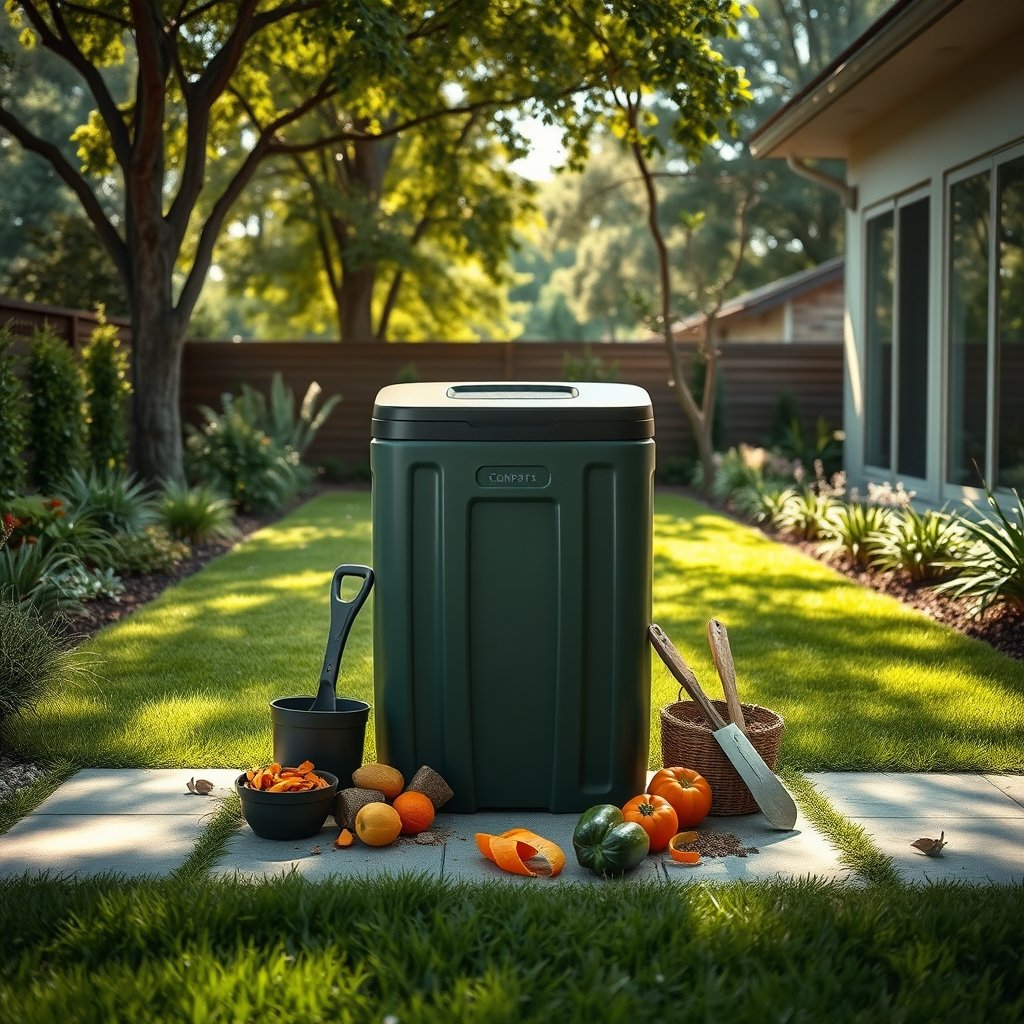
Adopting a composting bin can dramatically cut your household’s food waste. Based on recent EPA and nationwide household survey data, the average home that consistently uses an outdoor compost bin reduces food-waste disposals by about 30%, diverting approximately 250 lb (113 kg) of organic waste from landfills each year (source). In cities with strong backyard composting programs, municipal organic-waste streams fell by 15–20%—proving the systemic impact of individual action (source).
On the household budget, those that compost at home report average waste fee savings of $45 to $75 per year. More importantly, every bin full of finished compost represents a real reduction in your property’s landfill contribution, methane emissions, and fertilizer spend.
Why choose an outdoor composting bin — benefits beyond the garden
Composting bins do more than provide free fertilizer. Here’s what you get:
- Reduced Methane Output: Every pound of food scraps composted at home avoids methane emissions from landfill cells (city policy source).
- Lower Trash Bills: Diverting 250 lb of organics per year saves most suburban homeowners $45–$75 in landfill and trash fees.
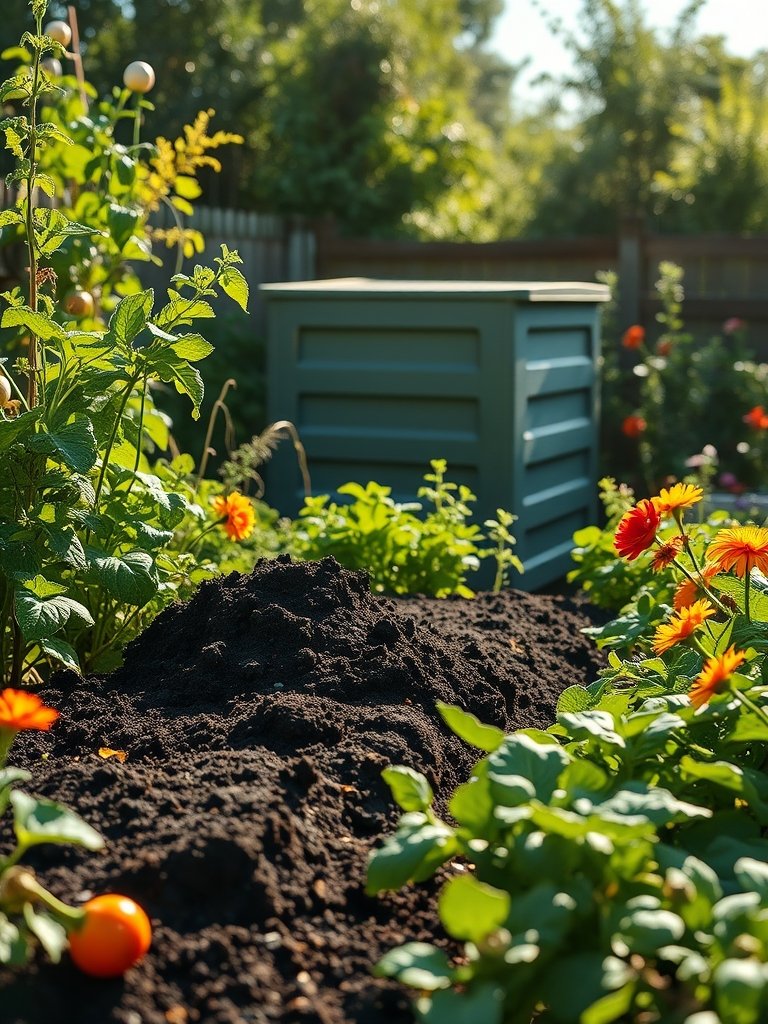
- Soil Health: Finished compost improves structure, boosts microbial activity, and aids moisture retention for small gardens and lawns.
- Convenience: Modern bins (tumbler, static, or hybrid) offer greater pest resistance, odor control, and easier operation than open piles. Models like the VIVOSUN 80-gal or Envirocycle 66-gal are highly rated for urban lots.
Some municipalities even offer rebates or discounts on the best outdoor compost bin models for residents who register their bins—see the regulatory section below for how to check local programs.
How to pick the best outdoor compost bin for your home (quick buyer’s checklist)
There’s no one-size-fits-all composting bin. Use this shortlist to get what fits your needs:
- Capacity vs. Household Size: Most households produce ~250 lb of compostable waste per year. For 2–4 people, a 50–80 gal bin suffices; for large gardens or 5+ people, size up to 100 gal or use multiple bins.
- Material: UV-coated plastic or powder-coated steel lasts longer; recycled plastic is more affordable, but some users report warping or brittle lids after several seasons.
- Pest Resistance: Locking lids, fine mesh vents, and firmly seated bins keep out rodents and flies.
- Turning Ease: Tumblers make weekly aeration easy; static bins often require manual turning with a fork or aerator tool.
- Placement & Drainage: Choose a flat area with partial sun for faster breakdown and better access; ensure drainage holes don’t let in burrowing pests.
- Budget: Most durable outdoor bins run $75–$250. The pollinator garden and no-till gardening crowd often double up with two bins to keep one “active” and one “finishing.”
Match your bin’s volume to annual scrap output: if you’re diverting 250 lb/year, a 50–100 gal bin can handle steady layers without compacting or smothering the pile. For smaller yards, a tumbler (42–66 gal) is the recommended option.
Top 5 best outdoor compost bins compared — costs, lifespans, and maintenance
Compare the most popular 2024 composting bin models at a glance:
| Model | Type | Capacity (gal/L) | Avg. Price (USD) | Estimated Lifespan | Main Maintenance |
|---|---|---|---|---|---|
| VIVOSUN 80-gal | Static/Vented | 80 / 300L | $120 | 8 years | Weekly turn, moisture checks |
| Envirocycle 66-gal | Tumbler | 66 / 250L | $140 | 7 years | 2–3 turns/week, mix greens/browns |
| FCMP Outdoor Tumbler 54-gal | Tumbler (crank) | 54 / 200L | $180 | 10 years | Turn every 2–3 days |
| Earthwise 50-gal | Static | 50 / 189L | $90 | 5 years | Manual turn weekly, clean lid |
| Exaco 100-gal | Static Insulated | 100 / 378L | $250 | 10 years | Regular aeration/moisture |
Note: Tumblers (maintenance source) need more frequent turning, but produce results in 4–8 weeks. Static bins need once-a-week turning and closer moisture monitoring (no till gardening guide). Higher-end units (Exaco, FCMP) are worth the splurge if you value durability or live in colder/wetter areas.
The five most common complaints (and exact, practical fixes)
- Wobble or Tipping (Tumblers): Tumblers often tip if placed on uneven ground. Fix: Place bins on a flat, compacted surface or anchor with paving stones at the base.
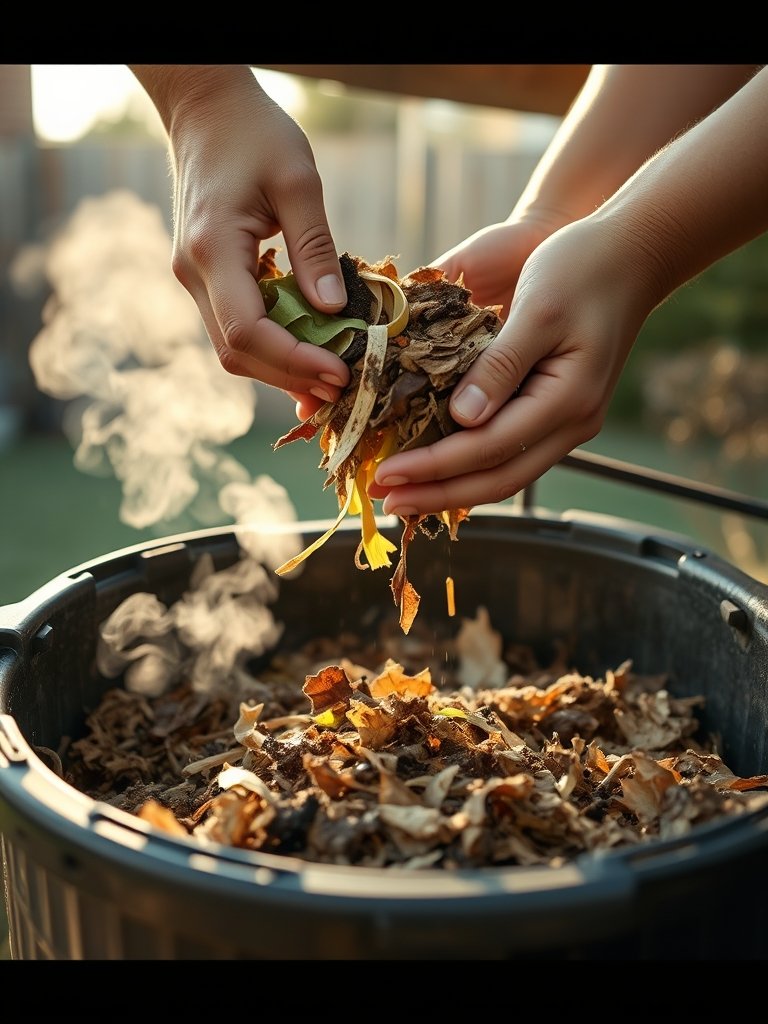
- Persistent Odors: Caused by too much nitrogen (kitchen scraps) or leaky lids. Fix: Add dry carbon (leaves/shredded paper), check the lid, and ensure regular turning.
- Slow or Stalled Decomposition: Clumps or dry/cold piles break down slowly. Fix: Chop scraps, layer evenly, keep pile moist (not soggy), and aerate more often.
- Pests (Rodents, Flies): Attracted by exposed food. Fix: Always bury fresh scraps, keep lids locked, and patch any vent mesh gaps.
- Difficult Assembly/Turning: Most common for larger or multi-chamber bins. Fix: Assemble on a warm day using a cordless driver if possible, lubricate moving parts, and check user forums for walkthroughs.
Features that work by climate — materials, ventilation, pest resistance, and turning
- Cold Climates: Choose insulated bins (Exaco, FCMP) or large static bins with thick walls for thermal mass. Tumblers can freeze; work best in shoulder seasons.
- Wet Climates: Look for bins with raised, vented bases and sheltered lids. Poor drainage leads to soggy, anaerobic piles; static bins with bottom doors are easier to troubleshoot.
- Dry Climates: UV-resistant materials prevent cracking. Add water regularly (a spritz every week); mix in green garden waste to prevent the pile from drying out.
- Pest Prevention: Tight lid seals, metal-mesh screened vents, and padlocking mechanisms are a must in rodent-heavy areas.
- Turning and Access: Tumblers or crank-aerated bins are superior when winter freezes make manual turning impossible.
Best practice: regardless of bin type, maintain a moist (not soggy) pile, keep lids tightly sealed, and balance daily additions with “browns” (leaves, shredded cardboard). Well-tended tumblers produce finished compost in 4–8 weeks; static bins in 8–12 weeks—even quicker with climate-aware upkeep (source).
Realistic fertilizer yields, timelines, and quality you can expect (6‑month horizon)
For a typical household diverting about 250 lb (113 kg) of organic waste per year, expect two to four full bin harvests per season, depending on capacity and how closely you follow maintenance practices. Tumblers regularly yield usable compost in as fast as 4–8 weeks, while static bins vary between 8–12 weeks. Over six months, that’s 60–125 lb of finished compost for small gardens—enough to top-dress raised beds and boost lawn health (xeriscaping advantages).
Quality varies by your “greens:browns” mix, moisture, aeration, and the speed of breakdown. For optimal results, consider pH and nutrient testing before using compost for seed starting or delicate crops. Local extension services or simple at-home compost test kits are both available.
Routine maintenance plan — weekly and monthly checklists
Simple routines prevent 90% of composting headaches. Here’s how to make composting bin success automatic:
- Daily/Every-Other-Day: Add kitchen scraps; always top with dry browns to mask odors and deter pests.
- Weekly: Turn your pile (tumbler: crank or rotate; static: use aerator or fork); check for dryness/clumps; add water if needed.
- Monthly: Inspect for pest entry, lid integrity, and signs of wear. Scrub the bin lid and any buildup inside (especially in hot/humid climates).
- Winter: Continue adding layers, but insulate the bin (straw bales, bubble wrap, or leave piles of leaves against it).
Tools/Inputs: Pitchfork, small aerator, garden gloves, kitchen scrap caddy, supply of shredded paper, leaves, or wood shavings. Plan on $5–$15/year for replacement hardware or extra browns if your yard is small.
Check out the smart irrigation system guide for tips on compost application and watering strategy for home gardeners.
Troubleshooting quick guide — problems, root causes, and one-step remedies
- Smell (Ammonia/Rotten): Pile too wet or not enough carbon. Fix: Add a thick layer of shredded browns and aerate.
- Pests: Gaps in lid/vents, or scraps not buried. Fix: Tighten/patch all seals; bury new scraps under finished compost layer.
- Slow Breakdown: Cold temps, large scraps, or poor turning. Fix: Chop or blend scraps, increase turning, add a shovel of “active” pile or finished compost as inoculant.
- Waterlogged Pile: Excess rain/poor drainage. Fix: Mix in dry browns, poke drain holes at base, elevate bin on bricks.
- Tipping Tumbler: Unstable placement. Fix: Move to a level, hard-packed site; add pavers or stake legs.
For more in-depth environmental home tips, see our crawl space encapsulation and EV charger installation guides.
Three underreported angles to make this article stand out
- Quantified Environmental Benefits: City data shows a 15–20% reduction in municipal organics with widespread bin use—so your bin has impact beyond your fence line.
- Overlooked Bin Types/Strategies: Try a hybrid system: use a small insulated static bin in winter and a tumbler in summer. Alternate batches for year-round production.
- Advanced Quality Maximization: For premium compost, diversify your carbon sources (shredded leaves, paper, sawdust, straw), “seed” new batches with finished compost, or use a commercial inoculant. Always test finished product before heavy application to edible beds.
Regulatory and incentive checklist (2022–2024) — what to check before you buy
Before purchasing a composting bin, look up:
- Municipal Compost Bin Rebates: Many local governments subsidize purchase of the best outdoor compost bin models—check your city/county waste department’s site for 2022–2024 programs.
- Organics Collection Rules: Some areas have curbside organics or restrictions on home composting (or require rodent-proof bins).
- Trash Fee/Cart Size Incentives: Swapping to a smaller trash cart after composting may save $45–$75/year, matching national averages (stat source).
- Bans/Permits: Rare, but cold call your city’s waste management for any new ordinances. Most allow bins under 100 gal without permit if properly sealed and maintained.
For regional guides, check sites like your state environmental agency or city waste management portal before purchase—and always keep receipts for rebate eligibility.
Quick buyer copy & SEO hooks (titles, meta description ideas, and 3 FAQs to include)
SEO Title Ideas:
- Best Outdoor Compost Bin for Fast Results: Cut Food Waste & Save Up to $75/Year
- Composting Bin Guide 2024: Reduce Waste by 30% with the Right Outdoor Bin
- How to Choose the Best Outdoor Compost Bin—Reduce Landfill Waste and Get Free Fertilizer
Meta Description (150 characters):
Cut food waste by ~30%—about 250 lb/year—with a composting bin. Expert buying, maintenance, and yield tips. Save $45–$75/year and get free fertilizer.
High-ROI FAQs:
- How much space do I need for an outdoor compost bin? Most suburban backyards can fit a 50–100 gal bin; allow 3 feet clearance around for access and turning.
- How long until I get usable compost? Well-maintained tumblers: 4–8 weeks; static bins: 8–12 weeks. Full maturation takes longer but early batches are garden-safe.
- Which composting bin type keeps rodents away best? Bins with snap-lock lids, screened vents, and all-plastic or steel bodies outperform open piles or cracked lids every time.
Want to maximize yield? Explore crop-boosting techniques in our grow lights guide or climate-smart composting insights from our xeriscaping experts.
Frequently Asked Questions
Can I compost in a small yard or patio?
Yes. Choose a tumbler (42–66 gal) or compact static bin; most fit a 3×3 ft. space and work on patios with a drip tray underneath.
What can go wrong with a composting bin?
Common problems include persistent odors, pest invasion, tipping, slow breakdown, and assembly frustration. Each is fixable with small changes—see sections above!
Do I need to add worms to my bin?
No, not for outdoor bins—native microbes and critters will find your pile. Worms (vermicomposting) are a separate, indoor option.
How can I speed up composting in cold weather?
Insulate the bin’s exterior (straw bales, bubble wrap), add smaller scraps, turn often, and use an insulated static or dual-bin system.
Will a composting bin attract animals?
Properly managed bins—with tight lids, buried scraps, and frequent turning—do not attract animals. Avoid adding meat, dairy, or fatty foods.